C10 Leapmotor Hybrid Cars Comparisons SUV
Leapmotor C10 vs Jaecoo 7: which compact SUV offers more for less than 32,000 euros in 2026
 Iván Navarro
18 August 2026
5 min.
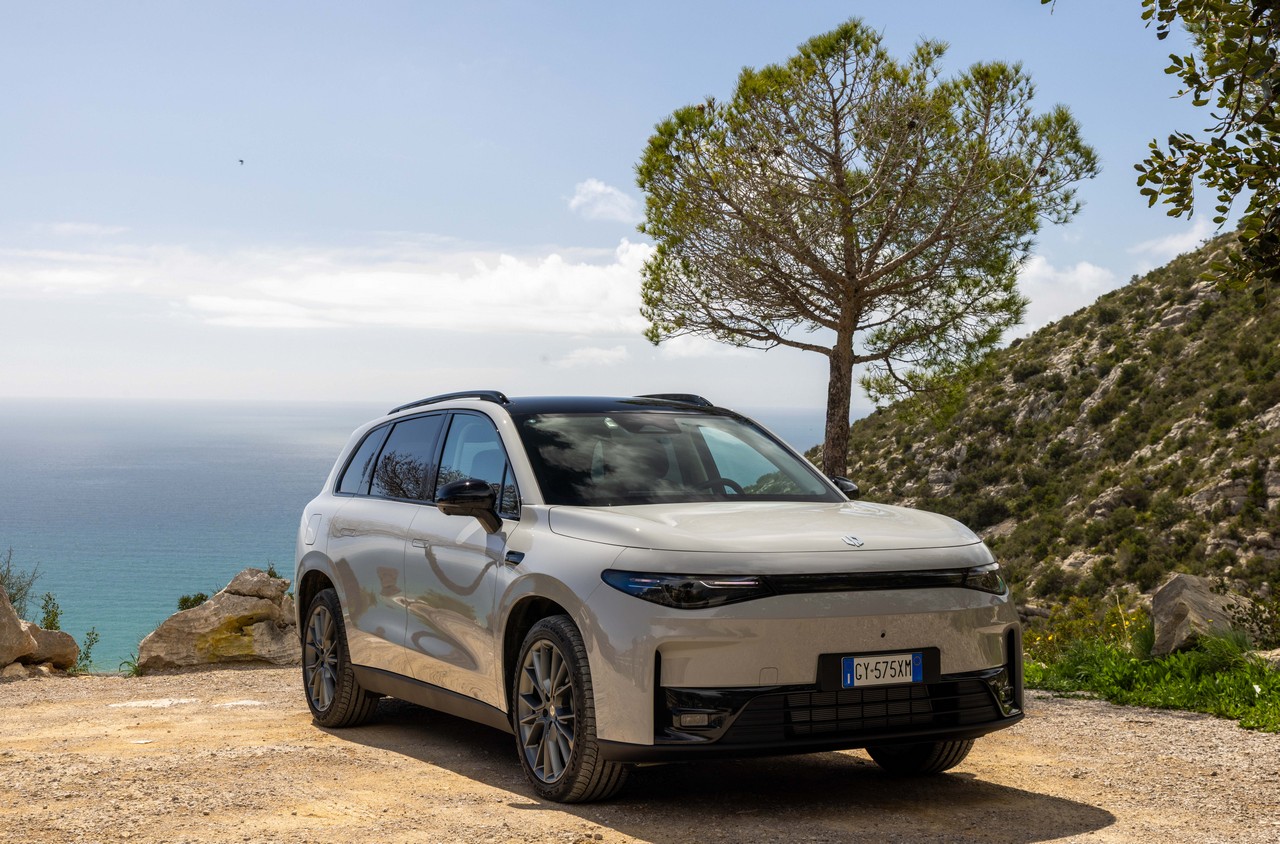
We compare two Chinese compact SUVs with opposing philosophies: the Leapmotor C10 REEV plug-in hybrid against the Jaecoo 7 turbocharged petrol. Which one offers more real value in 2026?
The SUV-C segment has become the main battleground for Chinese brands in Spain. And that is no coincidence: it is where the average buyer looks for space, a favourable environmental label and a contained bill. Two names have forced their way into the 2026 conversation: Leapmotor and Jaecoo. Both target the same customer, but they arrive with very different recipes.
One bets on a range-extended plug-in hybrid with a CERO label. The other on a classic turbocharged petrol, cheaper to get into and without plug-in complications. On paper they look like direct rivals. In practice, they meet different needs.
The duel: two philosophies, one customer
The Leapmotor C10 comes with REEV propulsion — a small 1.5 petrol engine acting as a generator and a 28.5 kWh battery that drives the wheels through a 160 kW electric motor. The Jaecoo 7, meanwhile, uses a 1.6 TGDI with 150 CV paired with a seven-speed dual-clutch gearbox. Opposing philosophies for the same segment and practically the same outlay.
The question is not which is the best car in the abstract. It is which fits your real week: daily kilometres, access to a plug, a ZBE low-emission zone in the way or endless motorway driving.
Leapmotor C10 from ≈36,800 €
The C10 presents itself as a clean SUV-C, with a restrained silhouette and an interior that favours sobriety in the style of Tesla: a central screen that handles almost everything and very few physical buttons. The sense of quality, to my taste, sits a step above what its price would suggest.
Its great asset is the propulsion. The 220 CV electric motor drives the car whenever there is battery charge, and only when that charge runs low does the 1.5 petrol engine kick in to generate electricity. In practice: on urban and peri-urban journeys it behaves like a pure electric car. The homologated 150 km of electric range leaves plenty of margin for a week of commuting without using a drop of petrol, provided you plug it in every two or three days.
| Power kW | Power CV | Top speed | Range | Consumption | Label | Fuel |
|---|---|---|---|---|---|---|
| 158 kW | 220 CV | 170 km/h | 145 km electric | 0.5 l/100 | CERO | PHEV (REEV) |
Now, let us be clear: the indicative RRP of ≈36,800 € puts it above the 32,000 € threshold that gives this article its title. Only with manufacturer campaigns, financing offers or the boost of the Plan Auto+ can it approach the threshold for a buyer on a tight budget. At its starting price, it falls outside the cut-off. It is only honest to say so before going further.
Jaecoo 7 from ≈33,900 €
The Jaecoo 7 plays a different game. Here there is no battery to plug in and no range extender: a 1.6 TGDI with 150 CV, a 7DCT gearbox and that is that. Its proposition is one you understand in thirty seconds — a familiar engine, standard maintenance, no dependence on a charger.
Aesthetically this is where the brand has made the greatest effort: a vertical grille, flush door handles, and a look reminiscent of high-end British SUVs without tipping into caricature. The interior follows the same line, with a very well-developed approach to materials and ergonomics for its price bracket.
| Power kW | Power CV | Top speed | Range | Consumption | Label | Fuel |
|---|---|---|---|---|---|---|
| 108 kW | 147 CV | 180 km/h | Data not available | 7.5 l/100 | C | Petrol |
Its indicative price of ≈33,900 € does not drop below the 32,000 € of the headline either, although it sits much closer to the threshold. With the usual dealer discounts and campaigns, getting into the target bracket is plausible.
Consumption, emissions and real running cost
On paper the contrast is stark: 0.5 l/100 and 10 g/km of homologated CO₂ for the C10 against 7.5 l/100 and 170 g/km for the Jaecoo 7. That said, the C10’s half litre is only achieved if the owner plugs in with discipline. Without charging, a REEV consumes more than its label suggests — the petrol engine is always there to generate.
For a driver covering 40 km a day with a garage that has a socket, the C10 can go for months with almost no petrol consumption. For someone doing 30,000 km a year on the motorway without easy access to a plug, the Jaecoo 7 is the more logical and predictable choice.
Summary table and scoring
| Model | Power | Consumption | Label | Price from | Urban use | Mixed/road use | Overall score |
|---|---|---|---|---|---|---|---|
| Leapmotor C10 REEV | 215 CV | 0.5 l/100 | CERO | ≈36,800 € | 9/10 | 7/10 | 8.2/10 |
| Jaecoo 7 1.6 TGDI | 147 CV | 7.5 l/100 | C | ≈33,900 € | 6.5/10 | 8/10 | 7.5/10 |
The prices indicated are the manufacturer’s recommended RRP, without offers, dealer discounts, one-off campaigns or Plan Auto+ aid.
Verdict by usage profile
If the car is going to sleep in a garage with a plug and most of the kilometres are urban and peri-urban, the C10 is hard to beat: CERO label, unlimited ZBE access, electric silence and almost negligible consumption. Its failure to drop below 32,000 € is a real drawback, but the fuel savings offset it over the medium term.
If the pattern is the opposite — long journeys, no plug nearby, priority on the initial outlay — the Jaecoo 7 is the pragmatic answer. Less technological glamour, but familiar mechanics, a lower price and zero charging anxiety.
A single winner? There isn’t one. There is a winner per profile, and that is the honest answer.
FAQ
Which Chinese SUV is better for the city, Leapmotor C10 or Jaecoo 7?
The Leapmotor C10 wins hands down in urban use: 150 km of electric range, CERO label and free access to ZBE zones. The Jaecoo 7 carries a C label, more restricted in Madrid Central or equivalent zones.
How much does each cost in 2026 in Spain?
The Jaecoo 7 1.6 TGDI starts from approximately 33,900 € RRP, while the Leapmotor C10 REEV starts at around 36,800 €. These are indicative figures without discounts or aid.
Can the Leapmotor C10 ever be used without plugging it in?
Yes, thanks to its REEV architecture the petrol engine generates electricity and the car works without problems, but real consumption rises clearly above the homologated 0.5 l/100. Without charging, much of its appeal is lost.
Which holds its value better on the used market?
It is too early for firm figures, although plug-in hybrids with a CERO label tend to resist depreciation better in the short term, especially in large cities with a well-established ZBE.
Technical specifications of this car


 Peugeot E-208 GTi: a battery-powered toy that revives the spirit of the 1980s sports cars
 New Lexus ES: luxury grows and goes electric
 First contact with the Dacia Sandero Hybrid 155: power and efficiency from €19,890
Deja un comentario