EX40 HS MG Volvo Electric Cars Hybrid Cars Comparisons SUV
MG HS vs Omoda 5: compact SUV showdown with the best value for money
 Iván Navarro
29 August 2026
5 min.
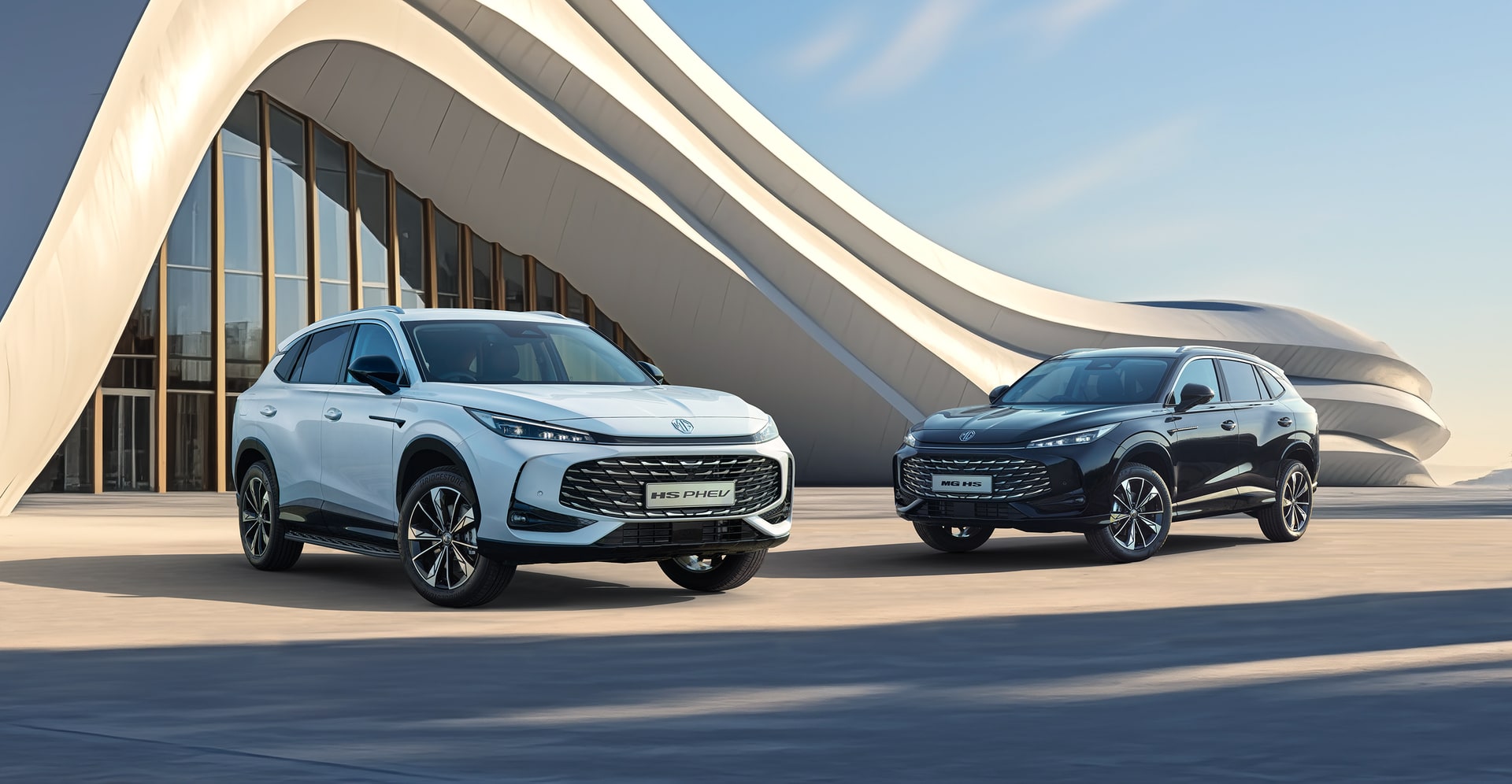
We compare the MG HS PHEV and the Omoda 5 electric, two Chinese compact SUVs redefining value for money in the Spanish market. Technical specs, real-world use and editorial verdict.
Some comparisons can be settled with a couple of figures. This one can’t. The MG HS vs Omoda 5 is, in our view, one of the most interesting showdowns to come out of China’s arrival in Spain: two compact SUVs, very close prices, opposing philosophies. One bets on the plug-in hybrid aiming to cover everything. The other goes straight for pure electric, no excuses. And both hover around a figure that just three years ago seemed impossible for their level of equipment.
A warning before we get into it: the prices you’ll see below are manufacturer’s recommended RRP, without dealer discounts, one-off campaigns or aid from the Plan Auto+. Take them as a guide.
Why this showdown matters in the Spanish market
The compact SUV-C segment is the most contested in the country. It’s also where Chinese brands have hit hardest. MG and Omoda are not isolated cases: they are the spearhead of an offensive that has forced European generalists to make their move. What’s interesting is that they don’t compete on the same terms. The plug-in HS offers urban electric range and a combustion backup for longer trips. The Omoda 5, in its 61 kWh version, goes all in on electric. Choosing between one and the other isn’t a question of brand. It’s a question of routine.
MG HS PHEV — from ≈37,300 €
The new-generation HS is a compact SUV almost 4.7 metres long which, in its PHEV 1.5T 339 Comfort version, delivers a notable combined output for its price. On paper, the figures speak for themselves: 272 CV combined and an electric range close to 100 km WLTP thanks to a 21.4 kWh battery. For many users, that means commuting all week without burning a drop of petrol.
That said, a caveat is in order. The homologated consumption of 0.5 l/100 km is the typical laboratory figure of the PHEV cycle — in practice, with the battery depleted and on the motorway, the HS consumes like any turbo petrol of its size. Its virtue lies in mixed use: plug in at home, electric daily trips, and combustion backup when you need to travel.
| Power kW | Power CV | Top speed | Range | Consumption | Label | Fuel |
|---|---|---|---|---|---|---|
| 200 kW | 272 CV | 200 km/h | ≈100 km electric | ≈0.5 l/100 km | 0 emissions | PHEV (petrol + plug-in) |
Omoda 5 electric 61 kWh — from 34,900 €
The Omoda 5 plays in a different conceptual league. It’s a pure electric, with a 61 kWh battery that homologates around 430 km WLTP and a 155 kW (211 CV) motor. Its proposition is clean: zero emissions, 0 label with no caveats and enough range for the 90% of users who don’t drive more than 300 km a day.
The exterior design, with that diamond-shaped grille and a highly sculpted rear, is among the boldest in the segment. Inside, two 12.3-inch screens dominate the dashboard. The perceived quality feels a step above what you’d expect from a car at this price, although the software still has room for improvement — it turns out the transition from combustion to electric also shows in how the multimedia system responds.
| Power kW | ||||||
|---|---|---|---|---|---|---|
| 155 kW | 211 CV | 172 km/h | ≈430 km WLTP | 15.9 kWh/100 km | 0 emissions | Electric |
Design, space and perceived quality
Both are around 4.4–4.7 metres and offer roomy cabins. The HS wins on boot volume and rear-seat space — it is simply bigger. The Omoda 5, more compact and with a coupé-style line, conveys greater visual sophistication. On materials, it’s a technical tie: both have made the leap their predecessors never quite managed. Even so, if you’re after fine premium detail, the Volvo EX40 remains the benchmark — but that’s another price league.
Dynamics and on-road behaviour
The HS PHEV is forceful. With 272 CV combined, it accelerates with an authority that surprises, although the gearbox feel doesn’t always keep up. The Omoda 5 doesn’t seek showmanship: it delivers its 211 CV with the smoothness typical of electric, and it’s enjoyable in town. On the motorway, the HS handles high paces better. The Omoda asks for restraint above 120 km/h if you don’t want to watch the range evaporate.
Real-world use: which driver suits each one?
Here’s the key. If your routine includes frequent long trips, you don’t have easy access to a charging point at home and you cover more than 25,000 km a year, the HS PHEV is the obvious answer. If you live in the city, have a charging point and your trips are occasional, the Omoda 5 will cost you far less to run. The decision hinges on your reality, not the car’s.
Comparison table and editorial score
| Model | Range | ||||
|---|---|---|---|---|---|
| 272 CV | |||||
| ≈37,300 € | §h162MGh163§ | 8.4 / 10 |
211 CV
≈430 km WLTP
34,900 €§h182MGh183§
8.2 / 10
Verdict
A technical tie with a nuance. The MG HS is more versatile, more powerful and perhaps the most rational choice for anyone who hasn’t yet made the full leap to electric. The
Omoda 5
is more consistent with today’s logic of the city and daily urban use, with a design that will age better. Neither is a mistake. The mistake is choosing without looking at your annual mileage.
Frequently asked questions
§h201§§h202§Which has better value for money, MG HS or Omoda 5?§h203§
Both are very close around 37,000 €. The HS offers more power and PHEV versatility; the Omoda 5 is conceptually cleaner if you have home charging.§h204§
§h205§§h206§Can the MG HS PHEV run as an electric car?§h207§
Yes, with around 100 km of homologated electric range. With daily plug-in charging it covers urban journeys without using fuel.§h208§
§h209§§h210§What real-world range does the Omoda 5 electric offer?§h211§
It homologates around 430 km WLTP. In realistic mixed use, expect between 320 and 380 km depending on speed and weather.§h212§
§h213§§h214§Do both qualify for the Plan Auto+?§h215§
As zero-label vehicles, both are regular candidates for Plan Auto+ aid. Check the official website for the amount in force at the time of purchase.§h216§
Technical specifications of the cars in this article

 Peugeot E-208 GTi: a battery-powered toy that revives the spirit of the 1980s sports cars
 New Lexus ES: luxury grows and goes electric
 First contact with the Dacia Sandero Hybrid 155: power and efficiency from €19,890
Deja un comentario