Parking your SUV in the city centre is about to get more expensive: the new measure that Madrid and Barcelona are already studying for heavier cars
 Iván Navarro
7 March 2026
3 min.
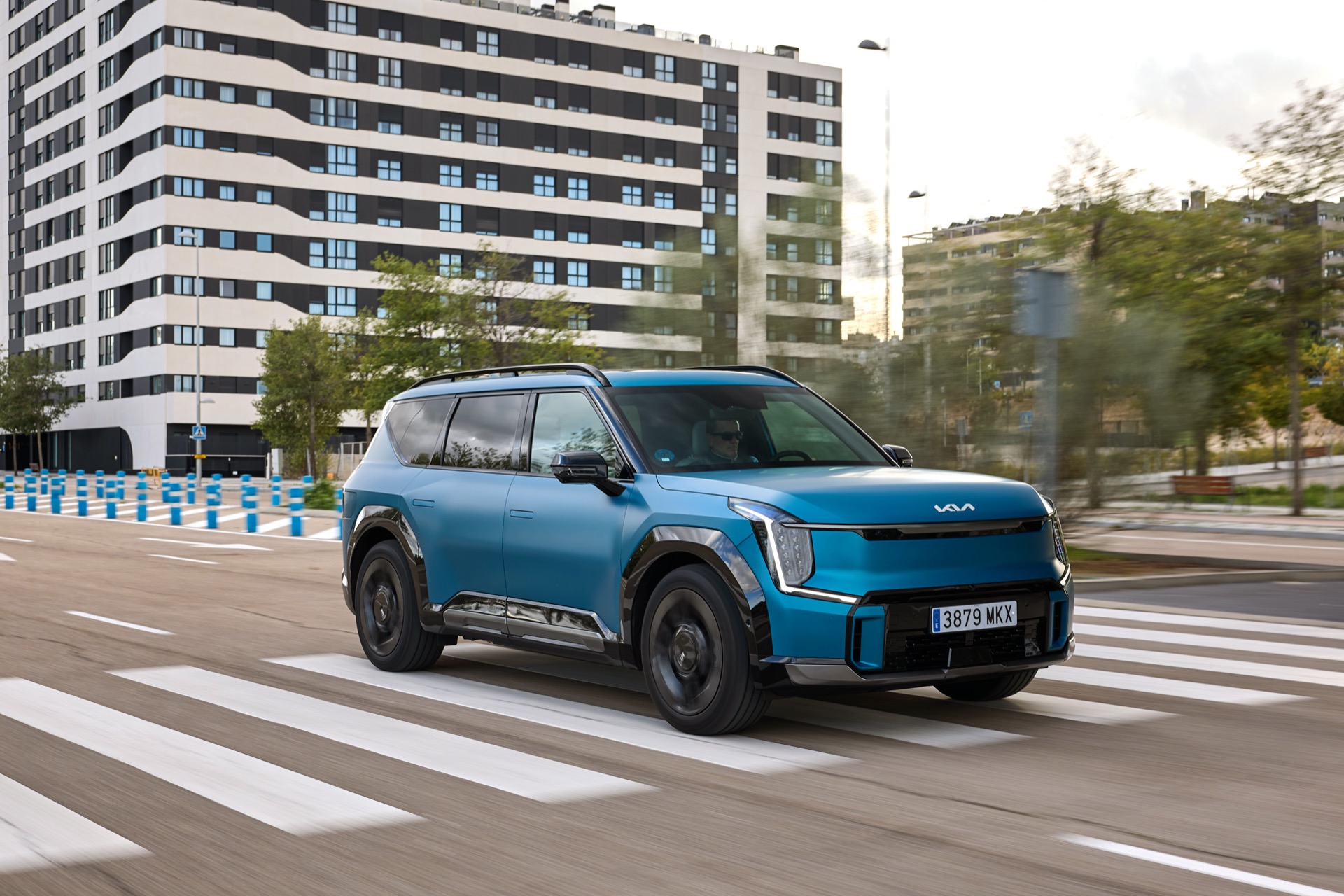
Heavier SUVs could end up paying up to €1,200 a year extra to park in the city.
Do you own an SUV and often drive into the city centre? Get ready: Madrid and Barcelona are studying a weight-based tax that will make parking more expensive for heavier cars.
Over the last decade, SUVs have become the dominant type of vehicle sold. Their greater average mass and bulk in urban traffic have led to more road wear, higher energy consumption and concerns about pedestrian safety. In response, several European capitals are exploring fiscal tools to discourage heavier vehicles in the urban centre.
The proposal (what is being studied): Municipal authorities propose a surcharge on parking fees linked to kerb weight. The technical idea: apply weight bands with hourly or daily surcharges in the SER residents’ parking zones and high-congestion areas, and use the revenue for mobility improvements and urban maintenance.
Economic impact for drivers: If a band-based scale is approved, owners of heavy SUVs would notice a clear increase in their annual parking bill, which could reach €1,200 a year. This assumes an extreme case: an SUV weighing 2,200 kg parked regularly in the city centre, on average 200 days a year.
What you need to know:
- The measure is at the study stage: no regulation has been approved and there is no firm date for it to take effect.
- It is proposed to charge by weight, not by body type: some heavy compact cars could also be affected.
- The stated aim is to reduce urban wear, indirect emissions and fund mobility (public transport, cycle lanes, road resurfacing).
- The figures shown are hypothetical and intended to illustrate the impact; the councils will decide the bands and amounts.
Alternatives and possible solutions
- Consider parking on the outer ring and completing the journey by public transport or micromobility.
- If you use your vehicle in the city, prioritise lighter or hybrid versions; mass often drops by several dozen kilos between versions.
- Remove elements that add weight and drag (roof racks, non-essential towbars) and keep an eye on payload when travelling.
- Look into car-sharing or lighter-weight electric vehicles for frequent urban journeys.
Public and municipal opinion:
The councils defend the measure as a technical and revenue-raising tool to manage public space and protect infrastructure. Motoring associations and car dealers call for proportionality and accompanying measures so as not to penalise disproportionately families and professionals who use SUVs out of necessity.
Legal and practical aspects: any change will require amending the municipal mobility and parking ordinances. Pilot phases in specific areas are likely before a general rollout.
Forward-looking conclusion: This is not an immediate announcement, but it does signal a clear direction: over the coming months we will see debate, proposals and public statements. If you own a heavy SUV, be prepared for parking in the centre to become not just a matter of finding a space, but also a financial headache.


 Kia offers an electric range of 10 models, 50 versions and 400 possible combinations
 The seven finalists for the 2027 European Car of the Year (COTY) are exclusively electric
 Peugeot E-208 GTi: a battery-powered toy that revives the spirit of the 1980s sports cars
Deja un comentario