Avenger Ford Jeep Mokka Opel Puma Electric Cars Hybrid Cars Comparisons Tests SUV
Peugeot 2008 hybrid vs Opel Mokka hybrid: Stellantis urban SUV-B showdown in 2026
 Iván Navarro
12 November 2026
6 min.
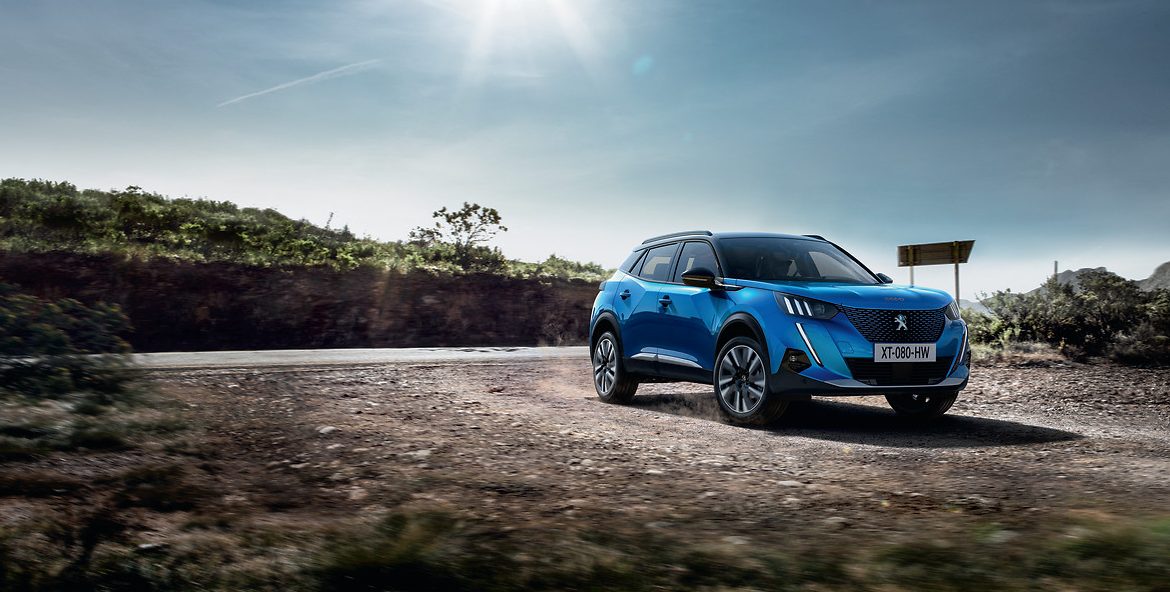
We compare the Peugeot 2008 Hybrid 145 and the Opel Mokka electric 54 kWh, two Stellantis SUV-Bs with opposing electrification philosophies. Price, range and specifications to help you decide which one fits your everyday urban life best.
Within the same group, these two SUV-Bs share a platform and much of their mechanical DNA, but they have taken opposite paths. One bets on mild-hybrid petrol, light and cheap to maintain. The other has gone all-in on electric, without half measures. The question we care about is not which one is “better” in the abstract, but which one makes more sense depending on how and how much you drive in 2026.
Peugeot 2008 Hybrid 145: from 31,300 €, efficiency without plugging in
The Peugeot 2008 in question uses the Hybrid 1.2 145 48V powertrain, a mild-hybrid solution that combines the turbocharged three-cylinder petrol engine with an electric motor integrated into the eDCS6 automatic gearbox. It is not a plug-in hybrid and does not aim to cover kilometres in zero-emission mode: its job is to cut consumption during starts, traffic lights and slow traffic, which is exactly where you notice it most in your wallet.
The figure that stands out most is the price: from roughly 31,300 € in the Style trim, with five doors and the S/S start-stop system already standard. For an SUV-B with 145 CV of combined power, it is an aggressive positioning within the segment.
| Model | Power | Top speed | Consumption | CO₂ | Fuel | Price from |
|---|---|---|---|---|---|---|
| Peugeot 2008 Hybrid 145 48V Style | 107 kW / 145 CV | 206 km/h | 4.9 l/100 km | 110 g/km | Mild hybrid petrol/electric | 31,300 € |
Four point nine litres per hundred kilometres on the combined cycle is a competitive figure for a petrol car of this size, although it should be qualified: in pure urban driving, with the electric assist working flat out, it drops a little further; on sustained motorway driving, the combustion engine works alone and real consumption gets closer to 6 litres. Nothing dramatic, but you should not expect miracles outside the city.
Opel Mokka electric 54 kWh: from 37,200 €, the no-compromise leap
The Opel Mokka, in its 156 54kWh Edition version, represents exactly the opposite philosophy. There is no combustion engine to come to the rescue here: it is 100% electric, with 115 kW (156 CV) and a 54 kWh battery that is homologated for around 403 kilometres of range. Of the two, it delivers the most power and it runs without emitting anything from the exhaust pipe — because it has none.
| Model | Power | Top speed | Range | Battery | Fuel | Price from |
|---|---|---|---|---|---|---|
| Opel Mokka 156 54kWh Edition | 115 kW / 156 CV | 150 km/h | 403 km | 54 kWh | Electric | 37,200 € |
The top speed limited to 150 km/h is not a factory defect, it is a common engineering decision for urban electric cars: there is no point chasing motorway figures in a car designed for the city and short trips. What does weigh heavily is the price: 37,200 € at the outset is about 6,000 euros more than the Peugeot. A difference that is not recovered in petrol savings overnight, although the calculation changes if you have a wallbox at home and charge at off-peak rates.
Price and versions: a gap of almost 6,000 euros
Let us be clear here: these prices are the manufacturer’s recommended retail price, without dealer discounts, one-off campaigns or purchase grants. Anyone considering the electric Mokka should check whether they qualify for any aid under the current Plan Auto+, whose amounts should always be verified on the official website before running the final numbers.
That said, the gap of about 6,000 euros between the two is not a detail, it is the axis of the whole decision. The 2008 democratises Stellantis’ SUV-B with a sober and cheap-to-maintain powertrain. The Mokka demands a larger outlay in exchange for zero emissions and noticeably higher power — 156 CV versus 145 CV — which shows in overtaking and in the immediate response of the electric motor.
Range and real-world use in the city
If your everyday driving is short trips, traffic jams and parking with the battery, the Mokka has a structural advantage: it uses nothing while stopped at a traffic light, and its 403 kilometres of homologated range comfortably cover a week of urban travel without recharging every night. The 2008, with its 4.9 l/100 km, is not short either, but it will need petrol refuelling every so many kilometres, something that does not worry an electric car except for the logistics of charging — which remains the big open question for anyone without a private garage.
Which to choose based on your profile?
If your priority is the entry price and you cannot charge at home, the Peugeot 2008 Hybrid 145 is the option with the least friction: traditional petrol, refuelling at any station and a consumption already quite tight for a combustion engine. If, on the other hand, you have a wallbox, do urban trips and have budget to spare for the step up, the Opel Mokka electric offers more power, zero local emissions and a different driving experience, quieter and more linear. Something similar we saw when analysing the Jeep Avenger versus the Ford Puma: in the urban SUV-B segment, the decision rarely comes down to which car is objectively superior, but rather which usage profile fits each proposal.
Comparative summary table
| Model | Power | Range/Consumption | Fuel | Price from | Score |
|---|---|---|---|---|---|
| Peugeot 2008 Hybrid 145 | 107 kW / 145 CV | 4.9 l/100 km | Mild hybrid | 31,300 € | 7.8/10 |
| Opel Mokka 54 kWh | 115 kW / 156 CV | 403 km | Electric | 37,200 € | 7.9/10 |
The score jointly weighs power, efficiency relative to its segment and price positioning: the 2008 wins on accessibility, the Mokka on performance and on the zero-emissions argument, which for many buyers in 2026 already weighs on the scales as much as the final price.
Frequently asked questions
How much does the Peugeot 2008 hybrid cost compared with the Opel Mokka electric?
The Peugeot 2008 Hybrid 145 starts at around 31,300 € RRP, while the Opel Mokka 54 kWh is about 37,200 €. Both figures are manufacturer’s recommended prices, with no discounts or aid applied.
What range does the Opel Mokka electric have?
With its 54 kWh battery, it is homologated for around 403 kilometres of range, enough for a week of typical urban use without needing daily recharging.
Does the Peugeot 2008 hybrid need to be plugged in?
No. Its 48V mild-hybrid system works autonomously, without needing to be charged at any charging point; the electric motor only assists the combustion engine during starts and braking.
Which of the two is better for the city?
If you can charge at home, the Opel Mokka electric makes better use of the urban cycle as it consumes nothing while stopped. If you prioritise a low entry price and hassle-free refuelling, the Peugeot 2008 Hybrid 145 is more practical day to day.
Technical specifications of the cars in this article
 Kia offers an electric range of 10 models, 50 versions and 400 possible combinations
 The seven finalists for the 2027 European Car of the Year (COTY) are exclusively electric
 Peugeot E-208 GTi: a battery-powered toy that revives the spirit of the 1980s sports cars
Deja un comentario