Polestar Electric Cars Comparisons SUV
Polestar 4 vs. Lexus RZ: two visions of the premium electric SUV focused on technology and refinement
 Iván Navarro
7 July 2026
5 min.
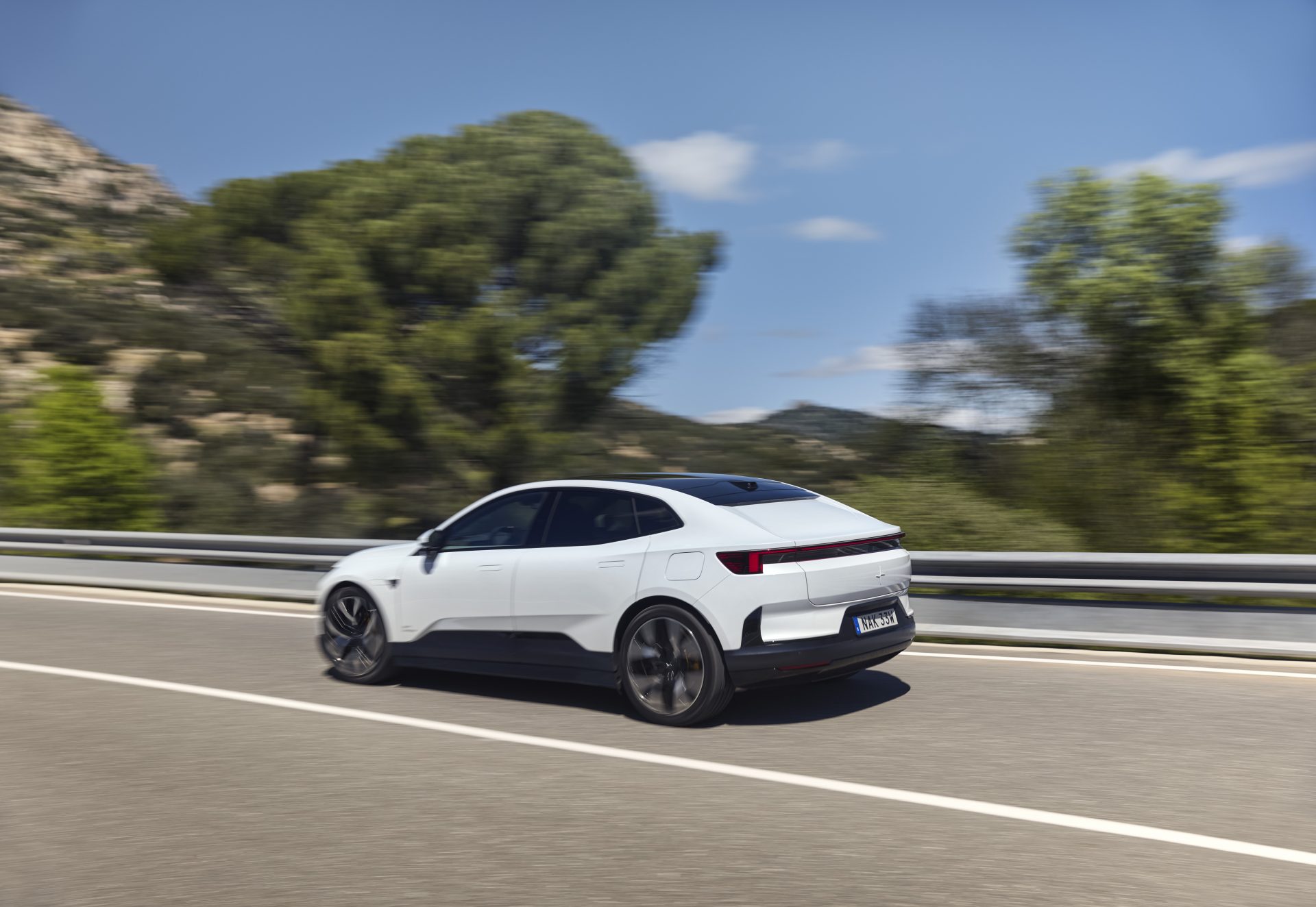
Comparison between the Polestar 4 and the Lexus RZ 350e: two premium electric SUVs with opposing philosophies, one a sporty Scandinavian and the other a refined Japanese.
The premium electric SUV has become the arena where each manufacturer defines its future identity. At one end, Polestar offers a Scandinavian reading: minimalist and fierce. At the other, Lexus reinterprets Japanese luxury through the prism of silence, efficiency and artisanal detail. Pitting the Polestar 4 against the Lexus RZ is not just an exercise in spec sheets: it is a contrast between two opposing ways of understanding what a premium electric car should be.
Two philosophies of the premium electric SUV
Both models share a segment and an ambition, but they diverge in almost everything else. The Polestar 4 is born as an all-wheel-drive coupé-SUV with a bold sporting vocation; the Lexus RZ 350e opts for a carefully crafted experience geared towards efficiency and comfort. The premium electric SUV comparison between the two reveals how electrification does not homogenise, but rather allows each brand to be more itself.
Exterior design: Swedish minimalism versus Japanese sculpture
The Polestar 4 gives up the rear window and turns aerodynamics into an aesthetic argument. Its low silhouette, taut wheel arches and horizontal light signature project an image of restrained, almost surgical sportiness. The Lexus RZ, by contrast, evolves the spindle body language with fluid surfaces, pronounced shoulders and a blanked-off grille that reinforces its brand identity. Less radical, more elegant.
Cabin and perceived quality
Inside the Polestar 4, the atmosphere is technological, dark and clean. A large central screen, high-end recycled materials and ergonomics geared towards the driver. The Lexus RZ offers a warmer atmosphere: takumi finishes, carefully designed ambient lighting, an optional yoke steering wheel and a feel of controls that remains a benchmark. Two ways of understanding luxury: functional minimalism versus sensory craftsmanship.
Polestar 4 features: power and dynamic performance
The Long Range Dual Motor Performance variant of the Polestar 4 delivers around 540 CV (≈400 kW) from a battery of approximately 100 kWh, with a range close to 590 km. All-wheel drive, blistering acceleration and a chassis-suspension tuning that targets the German sports segment.
| Power kW | Power CV | Top speed | Range | Consumption | Label | Fuel |
|---|---|---|---|---|---|---|
| ≈400 kW | ≈540 CV | ≈200 km/h | ≈590 km | ≈18-19 kWh/100 km | Zero emissions | Electric |
Polestar 4 from ≈82,500 €
Access to the Performance Prime AWD version starts at around 82,500 €. A clearly premium positioning, consistent with its ambition as an electric grand tourer.
Lexus RZ 350e range and efficiency philosophy
The Lexus RZ 350e E-Premium Efficiency delivers around 220 CV (≈170 kW) from a battery of approximately 77 kWh, reaching close to 560 km of homologated range. The priority is not brutality, but a smooth, silent and predictable delivery, very much in line with the Lexus tradition.
| Power kW | Power CV | Top speed | Range | Consumption | Label | Fuel |
|---|---|---|---|---|---|---|
| ≈170 kW | ≈220 CV | ≈160 km/h | ≈560 km | ≈16-17 kWh/100 km | Zero emissions | Electric |
Lexus RZ from ≈52,000 €
With a starting RRP of around 52,000 €, the RZ sits noticeably below the Polestar 4, offering a more accessible entry point to the premium electric SUV.
On-board technology and infotainment
The Polestar 4 integrates an operating system based on Android Automotive with native Google, OTA updates and a refined interface. Lexus relies on its own ecosystem, improved in usability, with full integration of Apple CarPlay and Android Auto, and insists on a less intrusive philosophy: physical controls remain present where they matter.
Safety and driver assistance
Both offer a complete level 2 ADAS package. The Polestar opts for optional LiDAR sensors to reinforce environmental perception; the Lexus relies on its well-established Safety System+, updated for the electric era.
Real-world range and fast charging
In mixed use, the Polestar 4 averages consumption of 18-19 kWh/100 km, acceptable for its power. The Lexus RZ is more frugal, hovering around 16-17 kWh/100 km. On fast charging, both accept high-power direct current, although the Polestar’s greater battery capacity gives it an advantage on long journeys.
Dynamic behaviour
The Polestar 4 drives like a high-performance electric coupé: precise steering, firm support and an accelerator response that redefines the segment. The RZ prioritises ride comfort, filtering out road imperfections, and outstanding sound insulation. Different cars for different drivers.
Summary table and score
| Model | Power | Range | Battery | Price from | Score /10 |
|---|---|---|---|---|---|
| Polestar 4 Performance | ≈540 CV | ≈590 km | ≈100 kWh | ≈82,500 € | 8.8 |
| Lexus RZ 350e | ≈220 CV | ≈560 km | ≈77 kWh | ≈52,000 € | 8.3 |
The prices shown are the manufacturer’s recommended RRP, without considering dealer discounts, promotional campaigns or purchase incentives.
Conclusion: two equally valid paths
The duel between the Polestar 4 and the Lexus RZ does not produce a clear winner. The Polestar is the choice for those seeking performance, a groundbreaking design and an advanced technological experience within the premium electric cars segment in Spain. The Lexus RZ wins over those who value refinement, efficiency and a perceived quality that is hard to match at a noticeably lower price.
Frequently asked questions
Which has more range, the Polestar 4 or the Lexus RZ 350e?
The Polestar 4 Long Range reaches around 590 homologated km, slightly above the ≈560 km of the Lexus RZ 350e, thanks to its larger battery (≈100 kWh versus ≈77 kWh).
Which is sportier?
The Polestar 4 Performance, with ≈540 CV and all-wheel drive, clearly outperforms the Lexus RZ 350e (≈220 CV) in outright performance, acceleration and dynamic behaviour.
Which offers better value for money?
The Lexus RZ starts at around 52,000 €, about 30,000 € below the Polestar 4 Performance, offering access to the premium electric SUV with a very high level of refinement.
Do both have the DGT Zero label?
Yes, as pure electric vehicles, both the Polestar 4 and the Lexus RZ 350e carry the Zero emissions label in Spain.

 Peugeot E-208 GTi: a battery-powered toy that revives the spirit of the 1980s sports cars
 New Lexus ES: luxury grows and goes electric
 First contact with the Dacia Sandero Hybrid 155: power and efficiency from €19,890
Deja un comentario