Electric Cars Industry Technology
Renault faces a new challenge: battery recycling on a global scale
 Victor Alós Yus @sepelaci
28 March 2024
3 min.
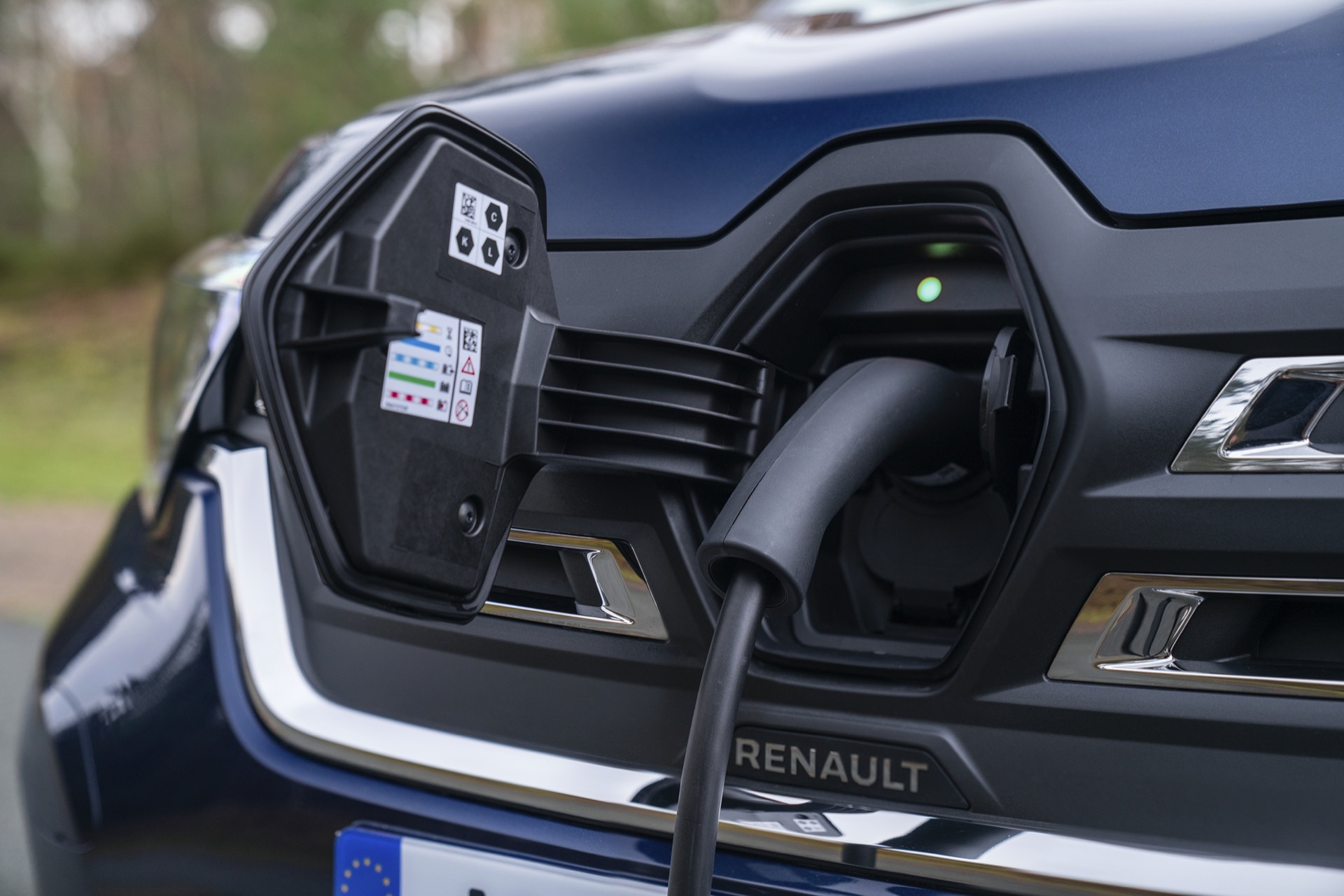
Batteries are the most expensive components of electric cars, and if the materials they contain can be recycled, their price will fall.
The main component of an electric vehicle is the battery. This component poses several manufacturing difficulties, as it depends on scarce materials that are hard to extract. For this reason, battery recycling has become a much-needed goal to make electric mobility more popular than it already is.
The price of an electric vehicle depends largely on the cost of the battery. It accounts for at least 40% of the vehicle’s price, and reducing its cost could bring down the price of an electric car considerably. Using materials extracted from used batteries could lower its cost and bring the price down considerably.
Renault wants to be the first brand to work on used batteries and extract the valuable materials to manufacture new ones. Others already do this, but the French brand wants to do it on a mass scale and with commercial viability. Renault’s environmental unit is called The Future is Neutral (TFIN).
For the time being, this division of Renault is in talks with companies that handle the recycling of batteries from electric cars. However, no company is currently extracting the valuable material from used batteries effectively. Nickel, cobalt and lithium are scarce materials that can be reused effectively, but their recovery from used batteries is still limited.
TFIN, the division of Renault, is setting up a production plant in Flins, near Paris. It will produce components for electric vehicles using recycled parts. It will also work with recycled vehicles, making it a plant dedicated to the use of recycled materials and recovered vehicles, which will considerably reduce the carbon footprint of all this.
The plant is expected to produce 9,000 repaired batteries each year. The cost of these batteries will be reduced by 30% compared with their original price, and they can be reused in new vehicles or installed to replace defective batteries in cars already on the market.
Ampere, the failed attempt at electric cars from Renault
Renault wanted to spin off all electric vehicle production into the Ampere brand and separate it from the main brand. This was part of Renault’s plans until just a few months ago. In January, Renault announced that it was dropping this possibility, at least for now, and that it would keep the name, but under the umbrella of the main brand. Even so, Renault insists that Ampere’s development is not as bad as it seems and that the new sub-brand does not need as much injection of money as expected.
Electric mobility appears to be experiencing a considerable delay. The market has reacted negatively to the introduction of electric cars, but they remain a good option and an alternative to combustion-engine vehicles. Only, rather than being a rapid transition, it will be slower and take longer to become a reality.


 Peugeot E-208 GTi: a battery-powered toy that revives the spirit of the 1980s sports cars
 New Lexus ES: luxury grows and goes electric
 First contact with the Dacia Sandero Hybrid 155: power and efficiency from €19,890
Deja un comentario