Born Cupra Electric Cars Compact Review
Review Cupra Born 2026: why the electric compact still stands out in dynamics, technology equipment and safety
 Iván Navarro
19 November 2026
6 min.
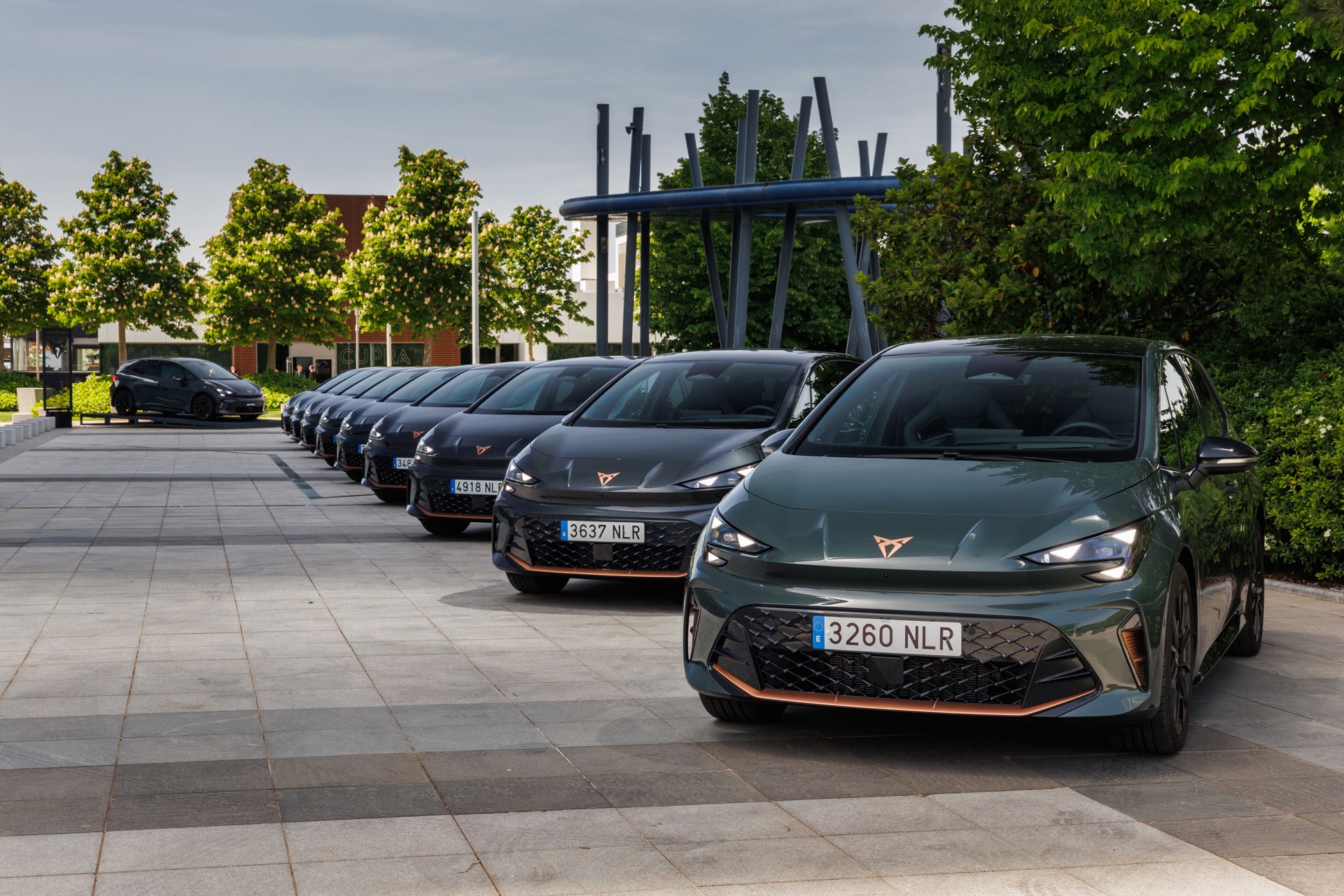
The Cupra Born 2026 keeps its 190 CV and 58 kWh battery as its sporty selling point within the electric compact segment. We review its equipment, safety and price against rivals such as the Volkswagen ID.3 or the Renault Mégane E-Tech.
The Cupra Born has spent a few years trying something unusual for the average electric car: making it fun to drive, not just efficient. In 2026 it still defends that idea, and it does so with a 231 CV powertrain and a 60 kWh battery, along with a tech equipment list that has matured considerably since its launch. Is it still the reference electric compact for those who want more than moving silently? Let’s take a closer look.
Design and presence: the Cupra DNA in compact form
The Born’s bodywork has not changed its philosophy: high waistline, pronounced wheel arches and that copper tone Cupra has used as a visual signature since it stopped being a simple SEAT finish. It still doesn’t look like a car “for everyone”, and that is precisely the point. Next to an Volkswagen ID.3, with which it shares the MEB platform, the Born looks more crouched, with a sporty attitude the German model does not pursue.
Interior and tech equipment: screen, connectivity and materials
Inside, the dashboard keeps the floating 12.9-inch central screen and a reduced digital cluster, a setup that in 2026 benefits from the brand’s now-mature software: quick response, smooth menu transitions and wireless Android Auto and Apple CarPlay integration that runs without the crashes of the first units. The recycled materials on the seats are still there, and it is clear this is a car designed not to give up a certain sensory luxury despite its price positioning.
In addition, Cupra finally resolved one of the most common criticisms of the original model: the touch sliders under the screen for climate control and volume now feature backlighting, making night-time use easier without having to take your eyes off the road for long.
Powertrain and dynamics: 231 CV with the soul of an electric hot hatch
This is where the Born earns its keep. With 170 kW (231 CV) and a top speed limited to 160 km/h, it does not aim to be the quickest in its segment on paper, but the most entertaining. Direct steering, a low centre of gravity thanks to the battery location and a weight distribution that favours rear-wheel drive let the Born move with an agility that neither the Peugeot e-308 nor the Renault Mégane E-Tech, set up in a more comfortable and less sporty way, try to match.
| Model | Power (kW) | Power (CV) | Top speed | Fuel | |
|---|---|---|---|---|---|
| Cupra Born | 170 kW | 231 CV | 160 km/h | Electric | ≈39.500 € |
Battery, range and charging: what you need to know before buying
The 60 kWh net battery (an evolution of the previous 58 kWh unit) remains a very balanced size for mixed use: not so small as to cause range anxiety on long trips, nor so large as to push the price up unjustifiably. If your daily routine combines urban journeys with the occasional weekend getaway, this is exactly the kind of setup worth reviewing before deciding, something we covered in detail in our guide to choosing a city-and-road electric compact.
Safety: ADAS systems and passive protection
The Born comes as standard with the suite of assistance systems expected in a 2026 European compact: emergency braking, active lane keeping, sign recognition and blind-spot warning. It is not the car that invents anything new in this area, but it doesn’t fall short against its direct rivals either. The structural rigidity derived from the MEB platform, shared with the ID.3, gives it an extra measure of confidence in the event of a side impact, one of the areas where electric compacts tend to feel more solid than their combustion equivalents.
Price and versions: how much the Cupra Born costs in 2026
The version with 231 CV and 60 kWh battery starts from a recommended retail price of around 39,500 €. It is always worth remembering: this is the manufacturer’s recommended price, without dealer discounts, one-off campaigns or aid applied. If your purchase can benefit from the Plan Auto+, the final amount may vary considerably, although the best way to check the current amount is to consult the official plan website, since conditions change fairly often.
Cupra Born versus its rivals: Volkswagen ID.3, Renault Mégane E-Tech and Peugeot e-308
The reference trio in the Spanish electric compact segment has remained the same for a couple of years. The Volkswagen ID.3 focuses on practicality and ride comfort. The Renault Mégane E-Tech plays the card of design and rear-seat space. The Peugeot e-308 seeks a middle ground with a very carefully finished interior. None of the three takes on the battle on the dynamic terrain where the Born feels most at home: it still has no clear direct rival within Spain’s mainstream electric offering.
Summary table: Cupra Born and the segment competition
| Model | Dynamics | Technology | Safety | Price-to-equipment ratio |
|---|---|---|---|---|
| Cupra Born | 9 | 8 | 8 | 8 |
The scores reflect Highmotor’s editorial assessment of the Born based on its dynamic approach, equipment and price positioning within the segment.
Highmotor verdict: is the Cupra Born still worth it in 2026?
Yes, with nuances. The Born remains the most fun to drive electric compact in its category in Spain, and that is no small thing in a market where almost all rivals opt for neutral comfort. What has not changed, for better or worse, is its personality: anyone looking for an electric car that goes unnoticed is probably not its target buyer. Anyone who wants their electric compact to have some character will find it here.
Frequently asked questions about the Cupra Born 2026
How much does the Cupra Born cost in 2026?
The indicative price of the version with 231 CV and 60 kWh battery starts at around 39,500 € recommended retail price, without discounts or public aid applied.
What power does the Cupra Born 2026 have?
It mounts a 170 kW electric motor, equivalent to 231 CV, with a homologated top speed of 160 km/h.
What battery does the Cupra Born have?
The version analysed features a 60 kWh net battery, designed for combined city and road use.
How does the Cupra Born compare with the Volkswagen ID.3?
They share the MEB platform, but the Born prioritises dynamic response and sportiness, while the ID.3 is oriented more towards comfort and everyday practicality.
Technical specifications of this car


 Kia offers an electric range of 10 models, 50 versions and 400 possible combinations
 The seven finalists for the 2027 European Car of the Year (COTY) are exclusively electric
 Peugeot E-208 GTi: a battery-powered toy that revives the spirit of the 1980s sports cars
Deja un comentario