Born Cupra Electric Cars Compact Review
Review of the Cupra Born: why the Spanish electric compact remains a dynamic benchmark in 2026
 Iván Navarro
7 November 2026
6 min.
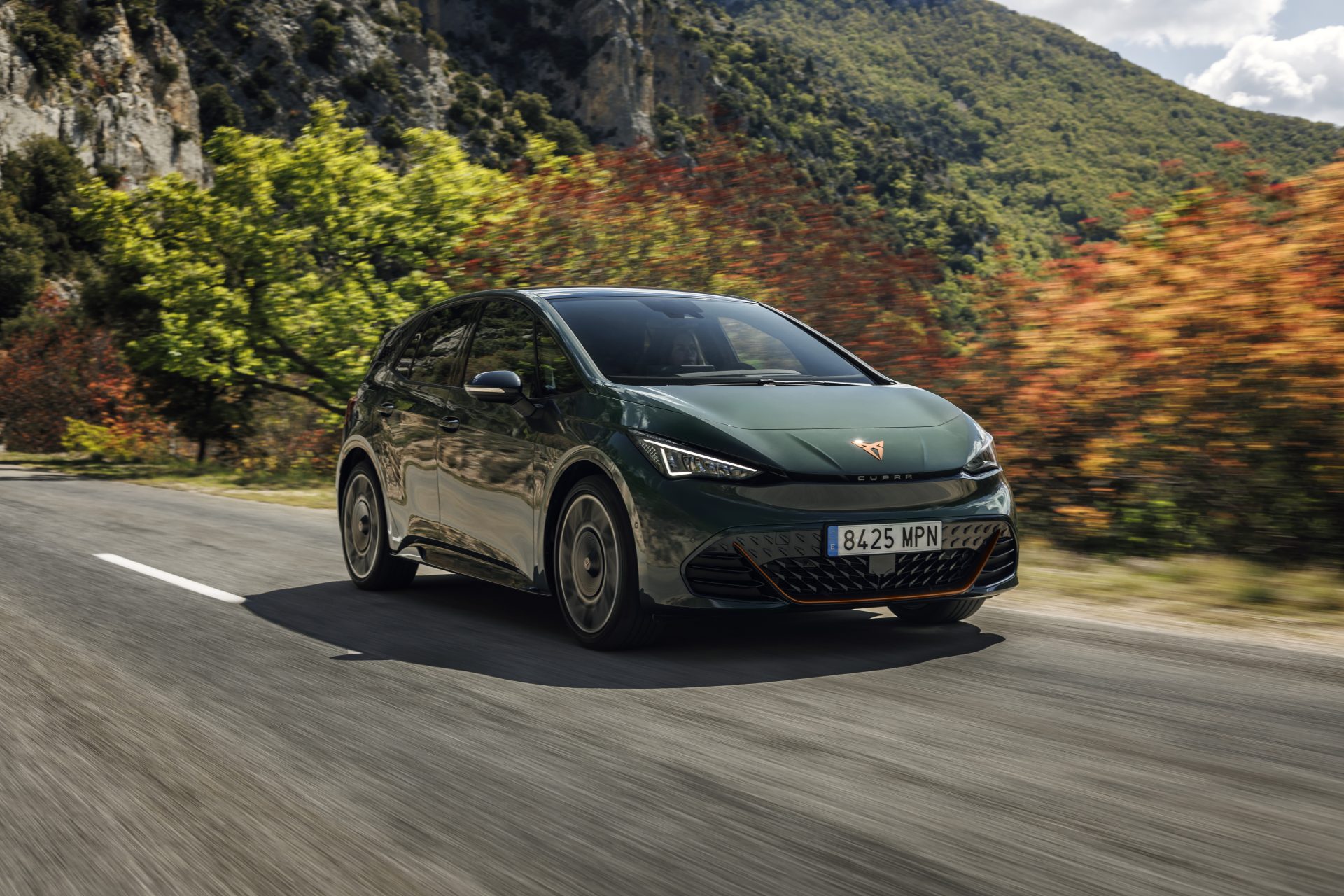
Several years have passed since the Cupra Born arrived at Spanish dealerships and, yet, it still raises the same question in our newsroom every time we drive it: why does an electric compact that shares its platform with half a dozen models from the Volkswagen group feel so different behind the wheel? In our view, the answer has less to do with the spec sheet and more with how Cupra has decided to tune that chassis. In 2026, with an ever-wider range of Chinese and European electric cars on offer, the Born still holds its own. It is not the be-all and end-all, but it retains strengths that many newer rivals have yet to match.
Cupra Born 2026: technical specifications and price from 39,500 €
The version that best sums up the character of the model is the Born 190 with a 58 kWh battery, five-door body and single-speed automatic gearbox, as is usual for any electric car. These figures have not changed compared with earlier generations of the model, and that, far from being a problem, confirms that the original concept was still well calibrated.
| Version | Power (kW) | Power (CV) | Top speed | Fuel | Label | Indicative price |
|---|---|---|---|---|---|---|
| Cupra Born 190 58 kWh | ≈140 kW | ≈190 CV | ≈160 km/h | Electric | ZERO | from ≈39,500 € |
It is worth remembering that this figure is a manufacturer’s recommended retail price, without dealer discounts or one-off campaigns, so the final price a buyer actually pays tends to come in below this reference.
Developed in Spain and assembled in Zwickau: the Cupra DNA on the MEB platform
The Born is assembled at the Volkswagen plant in Zwickau (Germany), not in Martorell. Development, design and the tuning of suspension, steering and accelerator maps are the work of the Cupra team in Spain, on the group’s MEB architecture. It shares its technical floor with the Volkswagen ID.3, yes, but Cupra has reworked the set-up until it achieves a result that feels its own. This is not a matter of marketing: you can feel it through corners.
Exterior and interior design: sporty ergonomics without sacrificing practicality
Outside, the Born keeps its tautly proportioned bodywork, with copper as a visual signature that has almost become a trademark of the brand. Inside, the driving position feels sporty without being uncomfortable for everyday use: a low steering wheel, seats with good lateral support and a driving position that rewards the demanding driver. In my view, the central screen is still somewhat small compared with what several Chinese rivals already offer, but the ergonomics of the physical climate controls make up for that shortcoming in daily use.
Dynamic behaviour: rear-wheel-drive chassis and the 190 CV motor
Here lies the Born’s real argument. The rear-mounted motor, with its ≈140 kW (≈190 CV), distributes weight differently from most electric cars with front motors, and that translates into cleaner traction on corner exit and steering that conveys real information. It is not a brutally fast car — it does not compete in that territory with electric cars of higher power — but in practice it is one of the few compacts in its class that invites you to seek out winding roads rather than avoid them.
Real-world range and charging: what the spec sheet says and what happens on the road
The Cupra Born’s range depends heavily on driving style, active climate control and average speed on the journey, as with any mid-size battery electric car. On city journeys and secondary roads the margin is generous; on the motorway at sustained speed, the homologated figure falls short, something that also happens to the Volkswagen ID.3 and, in general, to the whole MEB family. It remains to be seen whether future software updates improve the battery’s thermal management, which is still the model’s main outstanding caveat.
Cupra Born versus the Volkswagen ID.3: same platform, different character
Sharing the MEB platform with the Volkswagen ID.3 raises reasonable doubts for anyone comparing the two at the dealership. And yet, the experience behind the wheel differs more than one might expect: the ID.3 prioritises comfort and smoothness, while the Born deliberately aims for a sharper, more communicative response. There is no absolute winner here — it depends on what each driver is looking for — but if the criterion is driving pleasure, the Cupra takes the advantage.
How it is positioned against other electric compacts on the market
The electric compact segment has filled up with interesting proposals, from South Korean options such as the Kia EV3 to the Chinese offensive with models like the BYD Dolphin, both with approaches focused on space and equipment rather than pure dynamics. The Born does not compete on equipment-to-price ratio with that new wave, that much is undeniable, but it remains a benchmark when the buying criterion is behaviour on the asphalt. If the reader wants to delve deeper into this comparison of approaches, our guide on how to choose an electric compact with a good balance between real-world range, fast charging and price covers those nuances well.
Price in Spain, versions and Plan Auto+ aid
The indicative RRP from ≈39,500 € places the Born in the upper band of mainstream electric compacts, although Plan Auto+ aid can noticeably reduce the final outlay. We always recommend checking the plan’s official website for the current amount, because these sums change frequently and it is not advisable to base a purchase decision on a figure that may have become outdated.
| Model | Type | Price from | Main strength | Highmotor score |
|---|---|---|---|---|
| Cupra Born 190 58 kWh | Electric compact | ≈39,500 € | Dynamism and rear-wheel-drive chassis | 8.3/10 |
Highmotor verdict: is the Cupra Born still worth it in 2026?
Yes, it is still worth it, but with nuances. If you are after the roomiest or the cheapest electric compact on the market, there are alternatives — our own ranking of electric compacts with the best range-to-price ratio demonstrates this. But if your buying criteria include driving pleasure, a well-resolved rear-wheel-drive chassis and the value of an electric car with Cupra tuning, the Born still has no clear direct rival at the same price.
Frequently asked questions
Is the Cupra Born still worth it in 2026?
Yes, especially for those who prioritise dynamic behaviour over space or the lowest price. Its rear-mounted ≈190 CV motor and the chassis tuned by Cupra keep it among the most enjoyable cars to drive in its segment.
What is the price of the Cupra Born in Spain in 2026?
The 190 version with a 58 kWh battery starts from an indicative RRP of ≈39,500 €, a manufacturer’s figure without dealer discounts or Plan Auto+ aid applied.
How does the Cupra Born differ from the Volkswagen ID.3 if they share a platform?
Both use the MEB architecture, but Cupra has calibrated suspension, steering and accelerator response with a more sporty approach, while the ID.3 prioritises comfort and smoothness of ride.
What real-world range does the Cupra Born offer with the 58 kWh battery?
Range varies with driving style, climate control and average speed, as with all electric cars in this segment; in the city the margin is more generous than on the motorway at sustained speed.
Technical specifications of this car


 Kia offers an electric range of 10 models, 50 versions and 400 possible combinations
 The seven finalists for the 2027 European Car of the Year (COTY) are exclusively electric
 Peugeot E-208 GTi: a battery-powered toy that revives the spirit of the 1980s sports cars
Deja un comentario