Hyundai Kona Electric Cars Review SUV
Review of the Hyundai Kona Electric: why the Korean SUV-B remains a benchmark for versatility in 2026
 Iván Navarro
21 November 2026
6 min.
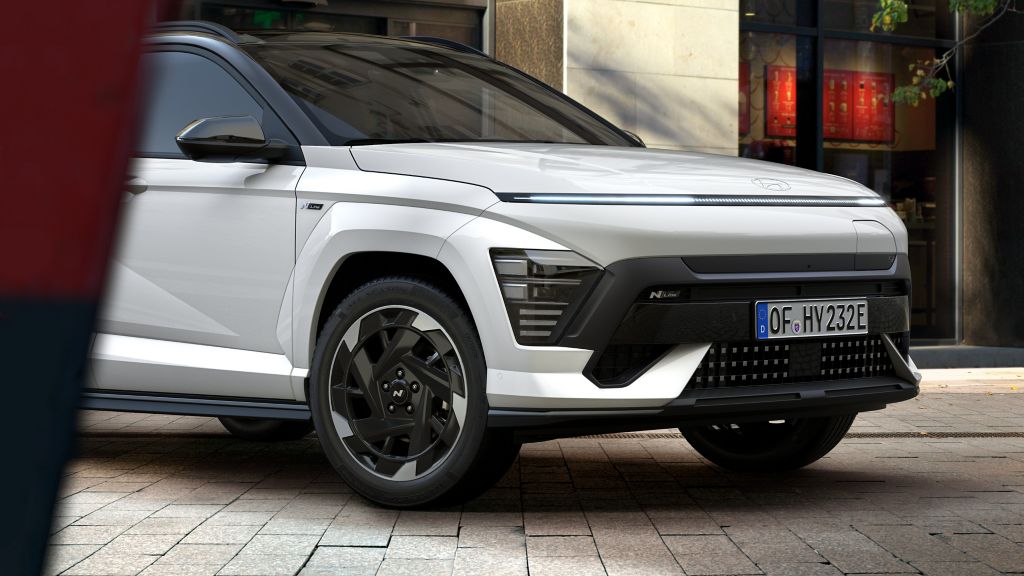
We analyse the Hyundai Kona Electric 2026, with a homologated range of around 510 km and a starting RRP of 42,400 euros, to find out whether it is still the most balanced option in the Spanish electric SUV-B segment.
Some cars earn their status as a benchmark by making noise. Others, like the Hyundai Kona Electric, achieve it simply by doing almost everything right for years. We arrive in 2026 with a generation that is no longer the novelty of the electric SUV-B segment, but which still holds its own against newer rivals with a simple argument: it doesn’t fail in any important area.
Hyundai Kona Electric 2026: quick specs and price from 45,350 euros
The Kona Electric with the long-range battery starts at a recommended RRP of 45,350 euros (40,950 euros for the entry version with the 48.4 kWh battery and 156 CV), a figure that places the Korean car in the upper range of the electric SUV-B segment but which comes with a technology package that justifies much of the difference. It is worth always remembering: this price is indicative, without dealer discounts, one-off campaigns or public aid such as the Plan Auto+, which can significantly reduce the final bill.
| Model | Power | Torque | 0-100 km/h | Top speed | Range | Consumption | Battery | Fuel |
|---|---|---|---|---|---|---|---|---|
| Hyundai Kona Electric | 160 kW / 218 CV | 255 Nm | 7.8 s | 172 km/h | 514 km | 14.7 kWh/100 km | 65.4 kWh | Electric |
Exterior design: evolution without losing identity
The bodywork keeps that pixelated line language that set it apart from the rest of the segment when it was presented, and which in 2026 still does not look dated. The LED light signature at the rear, the clean bonnet with no visible grille and the slightly taller proportions than a conventional SUV-B give it a presence that does not go unnoticed in any shopping centre car park.
Interior space and boot: the versatility argument
Here lies, probably, the raison d’être of this car. The Kona Electric offers interior space that approaches that of the upper segment, with rear seats where an adult of 1.80 metres travels without their knees touching the front seat. The boot follows the same philosophy: enough for a cabin suitcase and a travel bag without having to play Tetris, something not all compact electric cars manage without sacrificing the battery.
Interior and technology: standard equipment
The curved dual screen, the ventilated seats in the top trims and the infotainment system with full connectivity place the Kona in territory that until recently was exclusive to more expensive segments. That said, the materials on the lower part of the dashboard remind you that this is still a B, not a premium C: hard plastics where others have already added soft-touch coverings.
Engine and performance: power and handling
With 160 kW (218 CV) and 255 Nm of torque, the Kona Electric does 0-100 km/h in 7.8 seconds, a figure that does not aim to flaunt sportiness but instant traction in town and comfortable overtaking on the open road. The top speed of 172 km/h makes it clear that it is not a car designed for the German autobahn, but in real Spanish use it is more than enough.
Range and charging: the figure that matters
The 514 km of homologated WLTP range (with 17-inch wheels), backed by a 65.4 kWh usable battery and an average consumption of 14.7 kWh/100 km, make the Kona a realistic option for those who make frequent intercity journeys without depending on the charger every two days. It is not the longest range on the market, but it is one of the most consistent between what it promises on paper and what it delivers on the road.
Price and range: versions and RRP
From those 45,350 euros entry price for the 65.4 kWh variant, the range is spread across several trims that add driver assistance equipment, dual-zone climate control and the aforementioned ventilated seats. We compare it with the Jeep Avenger Electric in a head-to-head duel of urban SUV-Bs, and there the Kona defends its position thanks precisely to that extra space and range.
Hyundai Kona Electric versus its competition in the electric SUV-B segment
The Jeep Avenger Electric plays the card of adventurous design and a more accessible price, while the Kia Niro EV bets on very pronounced aerodynamic efficiency. Neither, however, matches the combination of range and interior space that the Korean car offers. If the purchase criterion is: “I want an electric car that doesn’t make me think about kilometres every morning”, the Kona remains hard to beat.
Reviews: the best and the worst
The best: real-world range, rear space, well-executed standard technology. The worst: the entry price, which for an SUV-B forces comparison almost with higher-segment models, and interior plastics that do not live up to the rest of the car. Is it still worth it in 2026? Yes, provided the budget is not the only variable in the equation.
Comparative summary table
| Model | Range | Power | Price from | Score |
|---|---|---|---|---|
| Hyundai Kona Electric | 514 km | 218 CV | 45,350 € | 8.5/10 |
Verdict: is the Kona Electric still worth it in 2026?
With ample range, interior space that doesn’t feel cramped and a technology finish that delivers without fuss, the Kona Electric remains the most versatile choice in its segment. It is not the cheapest, but it is the one that asks you to give up the least. And in an electric SUV-B, that weighs more than any isolated technical specification. For those looking for complementary fast-charging options, it is also worth reviewing how to choose an electric SUV with fast charging in 2026 before signing the contract.
Frequently asked questions
How much does the Hyundai Kona Electric cost in 2026?
The recommended RRP starts at 45,350 euros for the 65.4 kWh large-battery version (40,950 euros for the 48.4 kWh entry variant), not counting dealer discounts or public aid such as the Plan Auto+, which can reduce the final outlay.
What real range does the Hyundai Kona Electric offer?
Its specifications homologate up to 514 km on the WLTP cycle with the 65.4 kWh battery and 17-inch wheels, a figure that in mixed use stays fairly close to what is promised.
Is the Hyundai Kona Electric the best compact electric SUV in its segment?
It does not have the cheapest or the fastest rival, but its balance of range, space and equipment keeps it among the benchmarks of the electric SUV-B in Spain.
How long does the Hyundai Kona Electric take to charge?
On direct current it accepts a peak power of up to 102 kW, which allows going from 10% to 80% charge in approximately 41 minutes.
Technical specifications of this car

 Kia offers an electric range of 10 models, 50 versions and 400 possible combinations
 The seven finalists for the 2027 European Car of the Year (COTY) are exclusively electric
 Peugeot E-208 GTi: a battery-powered toy that revives the spirit of the 1980s sports cars
Deja un comentario