Spain: paradise for "mileuristas" cars
 Fernando Alvarez
29 April 2012
2 min.
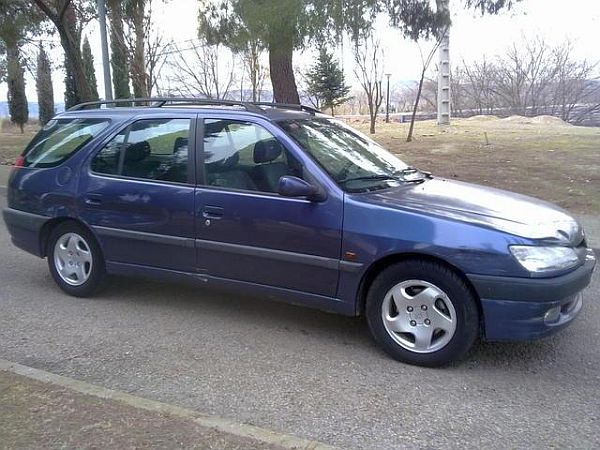
The “mileurista” car is the reference model for those looking for a good used car on a small budget, which the crisis makes possible.
A simple piece of arithmetic: if more than 400,000 used vehicles were sold in Spain in the first quarter of the year (twice the number of new vehicles) and 46% of them are “mileurista” cars, it means that some 184,000 of these vehicles, more than 10 years old, have changed hands.
“Mileurista” and “for mileuristas” cars have won the battle and they are the ones moving now: they make up the majority of total sales, outselling the 5- to 10-year-old cars that have captured 26% of the market. Whether our policymakers like it or not, and whether certain people who still refuse to believe this will behave like the property bubble, nothing is going to go back to how it was; the vehicle designed for the “mileurista”, or the very low-cost car, is here to stay.
That a vehicle is used, or very used, does not necessarily mean it is scrap. Many of these cars have nothing to envy in a new entry-level car, in performance and consumption as well as in equipment. Of course, it’s not all rosy; sometimes the very crisis means the previous owner did not carry out proper maintenance, and then we have to pay for repairs more than the car cost, so the budget we need to set aside for a used car for whatever may happen should be at least 2,000–2,500 euros, taking additional costs into account.
There are plenty of examples of this type of vehicle and there are a great many, for every taste and colour. A lovely Audi 80 (which even makes me want to buy one) or a 1998 Peugeot 306 are not bad buys for just over 1,000 euros. With 1,200 euros, a Opel Corsa with a 1-litre engine will give you very low consumption, and with a little more money you can get to a Opel Vectra diesel, for example.
I’m not suggesting Spain should turn into a Mad Max setting, but these are good cars while we try to get back on our feet and get used to things. The false credit bubble has burst, a large part of the consumer sector has no work, and new car prices in some cases are exaggerated, prices that cannot be lowered either without losing the small profit margin that dealers have.
This is going to take a long time, ladies and gentlemen. Perhaps the “mileurista” car will be the pillar of recovery and not the disgrace of an illusory Spain that lives off good memories of recent years, as Anfac, Ganvam and others would have it. For now, this is what there is.


 Peugeot E-208 GTi: a battery-powered toy that revives the spirit of the 1980s sports cars
 New Lexus ES: luxury grows and goes electric
 First contact with the Dacia Sandero Hybrid 155: power and efficiency from €19,890
3 comentarios
Deja un comentario
Yo digo más: el que en algún momento se ha paseado por el mercado de coches de 2ª mano y ha visto lo que hay, no vuelve a comprar coche nuevo.
No vuelve a comprar coche nuevo porque los coches que encuentras en el mercado de usados compensan con creces lo que uno espera encontrar en un coche nuevo que cuesta 10.000 euros.
Saludos
Tengo un coche que ya ha cumplido los once años. Consume de media menos de 7 litros a los cien. Está perfecto de carrocería para los años que tiene. El motor tira como el primer día y tiene casi 200.000 kms. No le he cambiado ni siquiera una bombilla (toquemos madera) y sólo he tenido que cambiarle un bombín de embrague a los 100.000 Kms. Estoy convencido que, si lo cuido, podría hacer otros 200.000 Kms. sin mayores problemas. Me he planteado venderlo porque, con el kilometraje que lleva y los años, su valor en el mercado tiende a ser nulo en los próximos 2/5 años. Creo que el que lo comprara, sin saberlo, se iba a llevar un coche muy fiable y competente. Pero, ante lo que está cayendo en este país, ¿quién se gasta entre 20 y 30.000 mil euros para comprar un coche similar?