ë-C3 Citroen Fiat Grande Panda Electric Cars Urban
Stellantis plans to change its battery supplier for its most affordable models
 Javier Cantagalli
12 February 2025
2 min.
Achieving the company’s goal of launching its first city cars at a price below 20 thousand euros would not be possible otherwise.
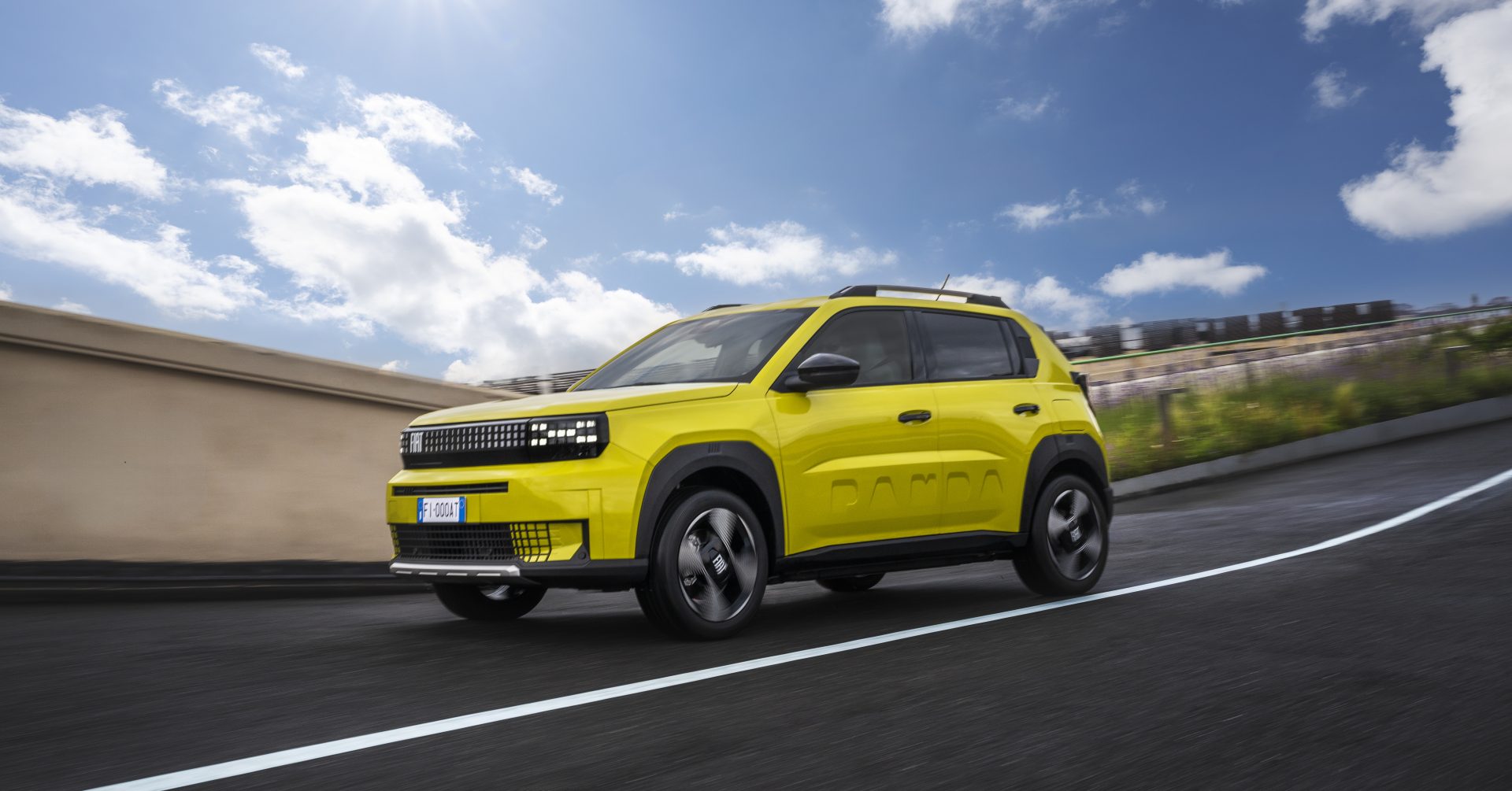
Stellantis already has some models from several of its brands with fairly affordable prices. This is the case of the Citroën ë-C3 or the FIAT Grande Panda, for example, both equipped with lithium iron phosphate -LFP- battery packs supplied by the Chinese company SVOLT. In its effort to reduce the price of this type of vehicle below the psychological barrier of 20 thousand euros, Stellantis is now reportedly considering turning to a second battery supplier, according to the latest reports.
French media have been referring these days to some sources, according to which Stellantis plans to use batteries from BYD for its most affordable models that have yet to reach the market. This change of battery supplier would, apparently, be essential to achieve the company’s goal of launching new electric models at a price below 20 thousand euros.
Currently, Stellantis’ most affordable models, based on the Smart Car platform, use LFP cells supplied by SVOLT with a capacity of 44 kWh. These vehicles offer a range of just over 300 km on a single charge under the WLTP homologation cycle, but they are priced slightly above 20 thousand euros. Thus, the Citroën ë-C3 is available from 23,300 euros, while the FIAT Grande Panda is sold from 24,990 euros.
An option for every type of customer
Looking ahead, Stellantis plans to launch electric models with larger-capacity battery packs and ranges around 400 km, but also more affordable versions at the cost of reduced range. This is where the LFP battery packs from BYD come in, whose capacity should be around 30 or 35 kWh, offering a WLTP range of between 200 and 250 km.
LFP battery packs are currently one of the few options available to car manufacturers to bring electric vehicles to market at highly competitive prices. Like Stellantis with some of its brands such as Citroën or FIAT, other manufacturers such as Volkswagen will also turn to this type of battery in future affordable models, as is the case with the ID.2, and the even cheaper ID.1, whose price will also be around 20 thousand euros. Renault, for its part, has also confirmed that it will use LFP batteries in the upcoming Twingo E-Tech.


 Peugeot E-208 GTi: a battery-powered toy that revives the spirit of the 1980s sports cars
 New Lexus ES: luxury grows and goes electric
 First contact with the Dacia Sandero Hybrid 155: power and efficiency from €19,890
Deja un comentario