Stellantis steps back: goodbye to level 3 autonomous driving
 Victor Alós Yus @sepelaci
27 August 2025
2 min.
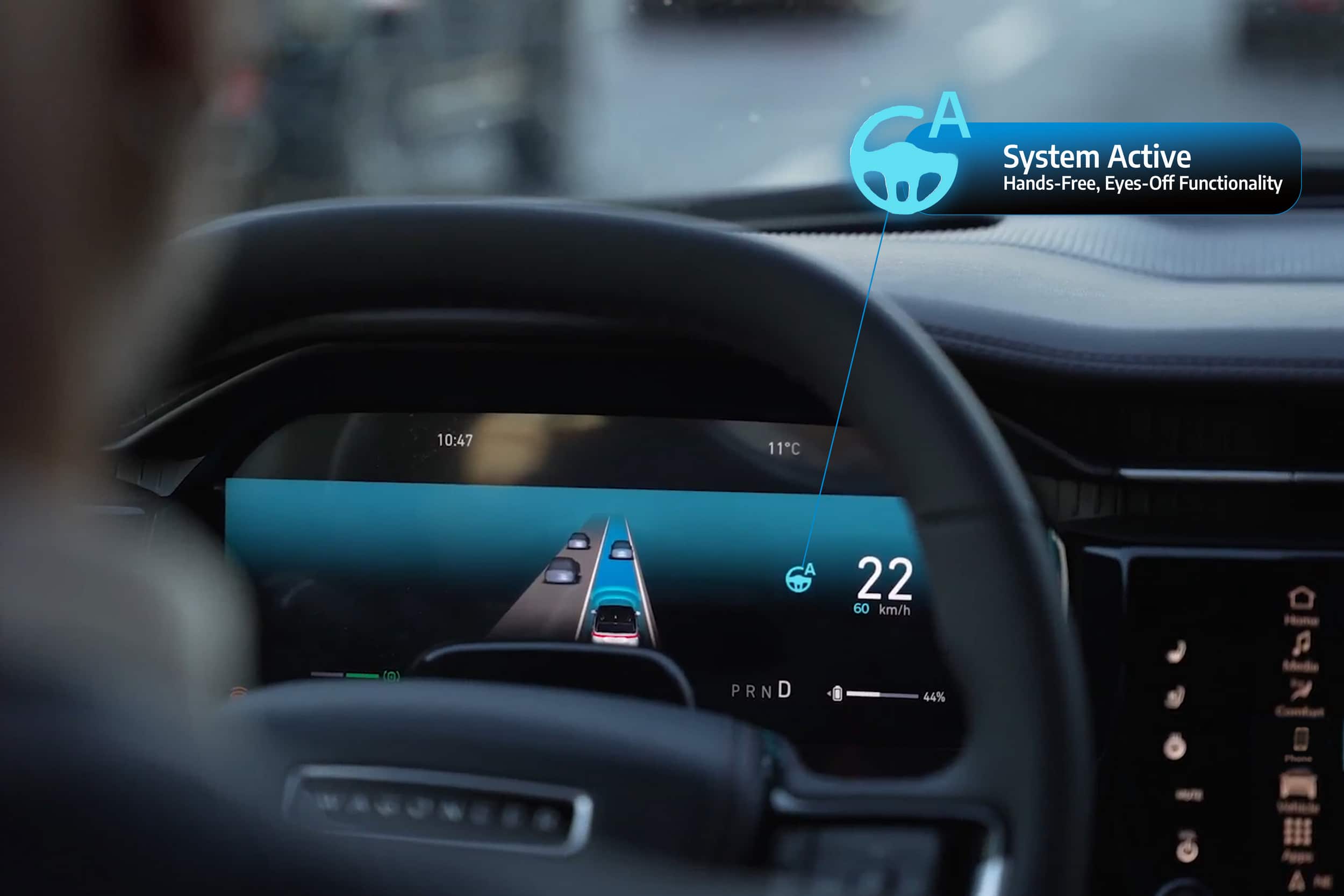
Stellantis has abandoned its plan to equip its models with level 3 autonomous driving due to low demand and high implementation costs.
The most modern cars are equipped with interesting technological features that provide driver-assistance systems improving the driving experience and safety. Together they make up what could be considered autonomous driving, although its level varies depending on the technology applied and its functions. Autonomous driving is measured in levels from 1 to 5, and today it is quite common to see level 2 and even level 2+ applied.
Level 3 is possible today, although few models feature it, while levels 4 and 5 remain far off at best. Yes, there are robotaxis and other autonomous vehicles, but the technology and the legislation have not yet caught up, and their use is not as widespread as the various brands using them would like.
Level 3, on the doorstep
Level 3 allows the car to drive itself under certain conditions, although the driver must always stay alert, keeping an eye on the steering wheel and pedals to take action if necessary. The level 3 autonomous driving system operates at speeds below 64 km/h, preferably in urban traffic, which lets the driver relax behind the wheel during these journeys without losing full attention.
An example of this system can be found in the Mercedes Class S, which features the Drive Pilot, but in few others. Stellantis also has this technology, but has decided to drop it from now on. For the automotive group, this technology proves too costly to implement in its models, and it prefers to set it aside for the time being.
In Stellantis’s case, the technology is called Auto Drive L3 and was presented in early 2025. However, there has not been sufficiently broad demand to introduce the innovation in the group’s models, so they have opted not to pursue this route.
The L3 system works properly and lets the driver take their hands off the controls at speeds below 60 km/h, even at night and in adverse weather conditions. It was even said that within a short time its top speed could rise to 97 km/h, a major advance that would allow more extensive use. But this is not enough to attract buyers’ attention and is not as appealing to users as expected. So, for the time being, Stellantis models will keep technology sufficient to offer level 2 autonomous driving.
https://youtu.be/g4qCr0GcAtA


 The seven finalists for the 2027 European Car of the Year (COTY) are exclusively electric
 Peugeot E-208 GTi: a battery-powered toy that revives the spirit of the 1980s sports cars
 New Lexus ES: luxury grows and goes electric
Deja un comentario