BYD HAN Hyundai IONIQ IONIQ 6 Model 3 Tesla Sedans Electric Cars Comparisons Buying Guides
Tesla Model 3 vs Hyundai IONIQ 6: which electric saloon offers better real-world efficiency under 50,000 euros
 Iván Navarro
1 September 2026
6 min.
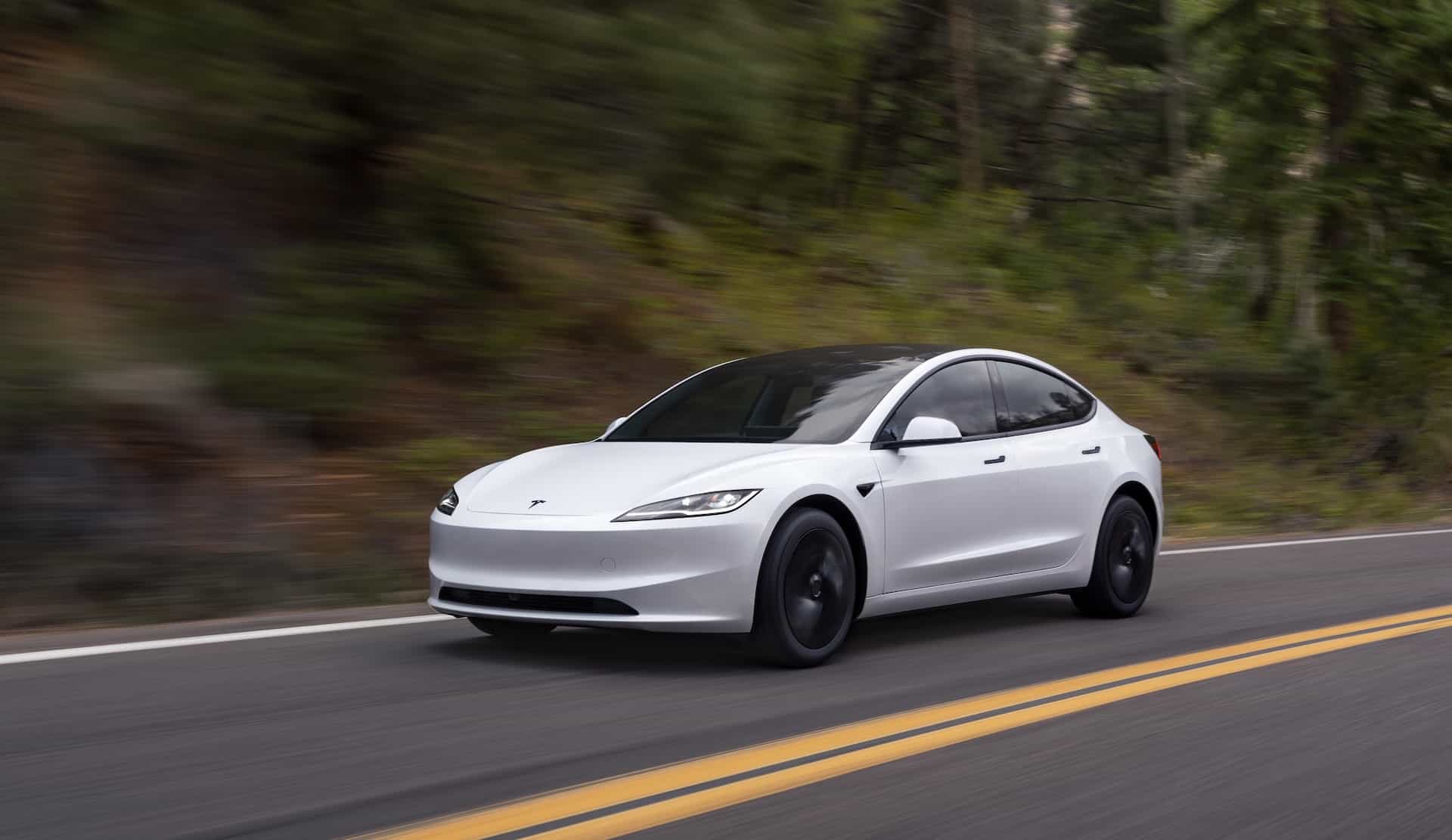
Few comparisons in the electric segment are as revealing as this one. Below 50,000 euros, the electric saloon has stopped being a technological whim and has become a rational purchase, and the duel between Tesla Model 3 and Hyundai IONIQ 6 condenses the best —and the most debatable— of two ways of understanding the electric car. One comes from software; the other, from aerodynamics and well-executed traditional engineering.
One clarification before we get into the analysis: the segment has more names, but we have deliberately left out BYD’s proposal because the goal of this guide is to address very different user profiles with two candidates that create real tension in the debate, not to produce a broad ranking. Nissan is not included either: its historical role in popularising the electric car is indisputable, but in our view the new generation of saloons has raised the bar on range, charging curve and digital experience to a point where its current offer does not compete head-to-head in this price bracket.
The segment’s duel: two philosophies, one price ceiling
The Model 3 starts at 36,990 €, with rear-wheel drive and a powertrain of 283 CV / 208 kW. The IONIQ 6, in its 63 kWh Light trim, starts at 44,650 €. A 7,660 € difference at the entry point. From that alone, the article’s approach changes: this is not a technical tie, it is a discussion about what you buy when you pay more.
The prices you will see below are the manufacturer’s recommended RRP, without dealer discounts, one-off campaigns or aid from the current Plan Auto+ in Spain — always check the official website before closing any figures.
Tesla Model 3 — from 36,990 €
The entry version keeps the DNA that made the model great: rear-wheel drive, a generous engine in torque and an efficiency that remains the segment’s benchmark. The aesthetic update has softened its face, the interior gains in acoustic insulation and the interface remains a matter of faith: those who love it will love it; those who want physical controls will look elsewhere.
In real-world efficiency, the Model 3 moves with ease at figures close to 14-15 kWh/100 km in mixed use, something we already saw in its comparison with other reference electric saloons. And then there is the Supercharger network, which still makes a difference on the road.
| Power kW | Power CV | Top speed | Range | Consumption | Label | Fuel |
|---|---|---|---|---|---|---|
| 208 kW | 283 CV | 201 km/h | 572 km WLTP | 12.2 kWh/100 km WLTP | ZERO | Electric |
Hyundai IONIQ 6 — from 44,650 €
The Korean car plays a different card. Its body, with one of the lowest drag coefficients on the market, is designed to squeeze every kilowatt at motorway speeds. On the motorway, where the Model 3 starts to feel its aerodynamics, the IONIQ 6 keeps figures that surprise. Its interior is more conventional, yes, but with physical controls that, in our view, are appreciated when you have been driving for five hours.
170 CV which on paper may seem few compared with the 283 of the Tesla. In practice, for 95% of situations, they are more than enough. That said, anyone looking for the visceral response of a grip-focused electric car will not find it here.
| Power kW | Power CV | Top speed | Range | Consumption | Label | Fuel |
|---|---|---|---|---|---|---|
| 125 kW | ≈170 CV | 185 km/h | 521 km WLTP | 13.4 kWh/100 km WLTP | ZERO | Electric |
Real-world efficiency: when the wattmeter rules
On paper, both exceed 520 km WLTP (521 km IONIQ 6 / 572 km Model 3 RWD) with practically identical batteries (≈60 kWh usable Model 3 RWD (~60 kWh LFP pack) vs 63 kWh nominal / ≈60 kWh usable IONIQ 6). In practice —and this changes everything— the Model 3 has the edge in the city and mixed journeys thanks to an exceptionally well-tuned drivetrain. The IONIQ 6 responds better from 110-120 km/h, where its 0.21 drag coefficient becomes its best commercial argument.
Translated to a real Madrid-Valencia trip at 120 km/h: both arrive, neither is left stranded halfway, and the consumption difference between them rarely exceeds 5-8%. Those who cover many motorway kilometres will notice more in the Korean car; those who live in the city and head out on weekends will hardly gain an advantage over the Tesla.
Fast charging and the travel experience
The IONIQ 6 features an 800 V architecture and peaks that can approach 195 kW in the 63 kWh Light version; ~233-263 kW with the 84 kWh battery on a suitable charger. The Model 3 comes in at somewhat more modest peak figures of 170-180 kW in the RWD version with LFP battery; 250 kW in the Long Range version, but it makes up for this with native access to the Supercharger network, which is dense, reliable and has planning integrated into the navigation system. On paper, the Hyundai charges faster; in the real Spanish world, the Tesla offers a more polished travel experience today. Though it remains to be seen how long that advantage lasts as the network opens to third parties.
Summary table and score
| Model | Price from | Range | Real consumption | Charging | Comfort/interior | Value for money | Overall score |
|---|---|---|---|---|---|---|---|
| Tesla Model 3 | 36,990 € | 9/10 | 9/10 | 9/10 | 7/10 | 9/10 | 8.6 |
| Hyundai IONIQ 6 | 44,650 € | 8/10 | 8/10 | 9/10 | 8/10 | 7/10 | 8.0 |
Verdict: which one delivers more for every euro?
If the question is strictly efficiency per euro invested, the Model 3 wins. It costs less, consumes less in mixed use and comes standard with a charging infrastructure that is still the benchmark today. The IONIQ 6 has its arguments —a calmer design, more classic interior ergonomics, remarkable motorway behaviour— but paying 7,660 € more requires justification beyond aerodynamics. For the user who makes many long trips and values a conventional cabin, it pays off. For everyone else, the Tesla remains the rational answer.
Frequently asked questions
Which electric saloon consumes least on the motorway?
The Hyundai IONIQ 6 has a theoretical advantage thanks to its 0.21 drag coefficient, one of the lowest on the market. At high, sustained speeds it can save 1-2 kWh/100 km compared with the Model 3, although in mixed use the Tesla matches or improves the figure.
Which one is cheaper to maintain?
Both share the advantage of being electric: no oil changes, brakes that last longer thanks to regenerative braking and spaced-out servicing. The Model 3 has very moderate service prices; Hyundai offers a wider official network in Spain, which may be a factor if you do not live in a big city.
Can they qualify for Plan Auto+?
Yes, both meet the generic requirements for a pure electric vehicle with a ZERO label. The specific amounts and conditions change with each call; it is advisable to check the plan’s official website before signing.
Which one retains its resale value better?
Historically the Model 3 has had a very active used market, although the price cuts on the Tesla have pressured its residual value. The IONIQ 6, with lower volumes and a more premium profile, offers somewhat more stable depreciation in the first years.
Technical specifications of the cars in this article


 Peugeot E-208 GTi: a battery-powered toy that revives the spirit of the 1980s sports cars
 New Lexus ES: luxury grows and goes electric
 First contact with the Dacia Sandero Hybrid 155: power and efficiency from €19,890
Deja un comentario