C10 G6 Leapmotor Tiguan Volkswagen Xpeng Electric Cars Hybrid Cars Comparisons Tests
Leapmotor C10 vs XPENG G6: electric Chinese SUV-C showdown under 45,000 euros
 Iván Navarro
1 September 2026
6 min.
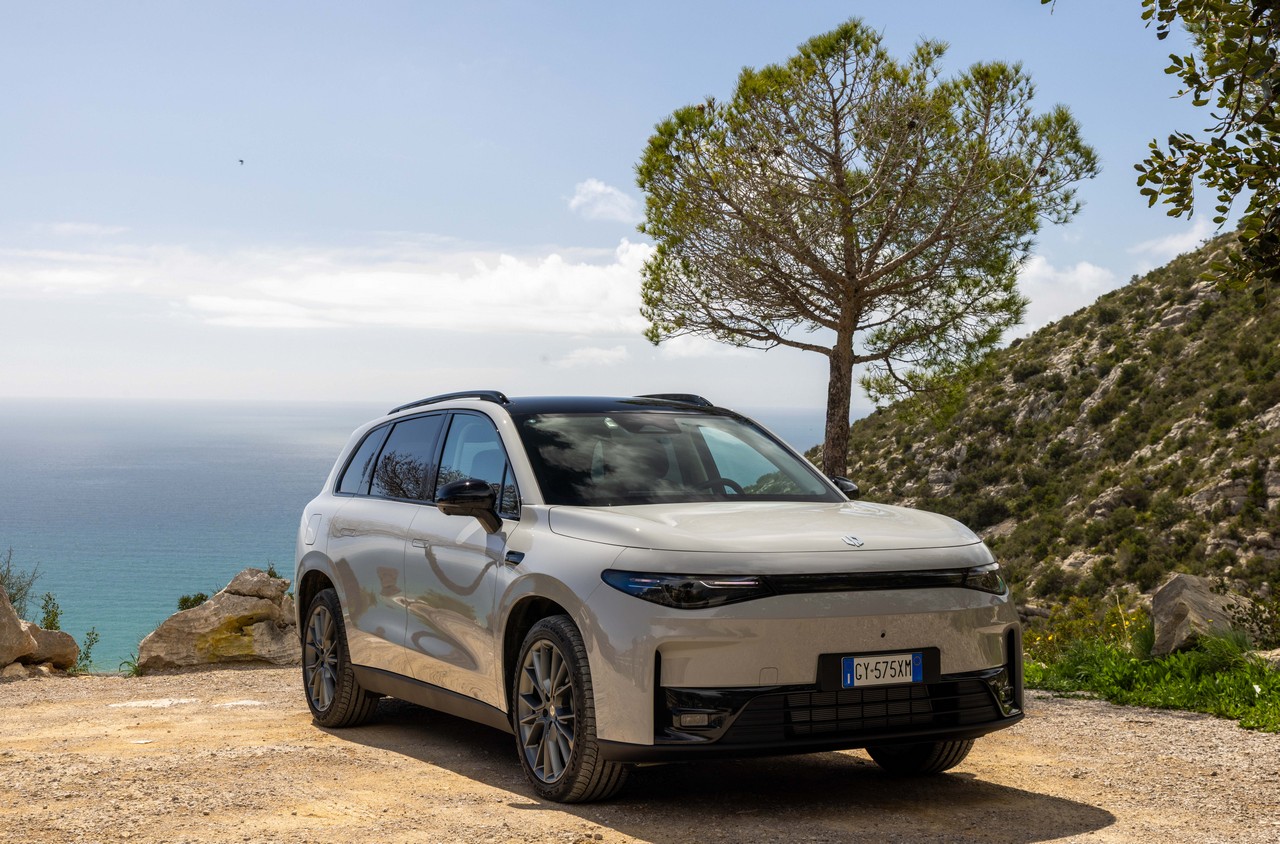
We compare the Leapmotor C10 REEV and the XPENG G6 Standard Range, two Chinese SUV-Cs with opposing philosophies for spending less than 45,000 euros: range extender versus pure electric with a large battery.
The SUV-C segment has become the main battleground for Chinese brands in Spain. Competitive prices, plenty of technology and an open war to win over buyers who, until recently, were considering a Volkswagen Tiguan or a Peugeot 3008. Within that pack there are two cars that best sum up the current crossroads for electrified buyers: the Leapmotor C10 with its REEV —plug-in hybrid with range extender— and the XPENG G6 Standard Range, fully electric. Both under 45,000 euros. Both with a CERO label. Opposing philosophies.
From the initial list of candidates we have ruled out the BYD in this segment: according to our editorial criteria, the recent evolution of the Chinese SUV-C has left its proposal a step behind what more recent rivals offer in overall product balance, and we prefer to focus the showdown on two brands that more clearly represent the two electrification paths available to Spanish buyers today.
Let’s go with them.
Two philosophies for the same budget
Here lies the heart of the matter. The Leapmotor C10 REEV features a range extender: a 1.5 petrol engine that does not drive the wheels, but instead recharges the battery when needed. It is an electric car with a safety net. The XPENG G6 Standard Range follows the old-school approach of the modern electric car: large battery, zero litres of petrol, and organising your life around plugs.
Which one makes more sense? It depends on where you live, how you charge and what kind of trips you take. And no, it is not a comfortable answer, but it is the truth.
Leapmotor C10: the electric car with life insurance — from 36,764 €
The C10 arrives in Spain with the REEV formula as its main selling point. On paper it works like an electric car —145 km of range in zero-emission mode with its 28.4 kWh battery— and, when that runs out, the 1.5 petrol engine steps in to generate electricity. The combined result is a homologated consumption of 0.4 l/100 km and ≈10 g/km of CO₂. Laboratory figures, obviously, which in real use will depend heavily on how you plug in.
The total declared power is around 215 CV. It is not a car designed for dynamic epic —the 170 km/h top speed makes that clear—, but for family use and mixed journeys it fulfils its role comfortably.
| Power kW | Power CV | Top speed | Electric range | Consumption | Label | Fuel |
|---|---|---|---|---|---|---|
| 158 kW | 215 CV | ≈170 km/h | 145 km | 0.4 l/100 km | CERO | PHEV (REEV) |
The interior features a large central screen, materials that surprise at this price level and a minimalist approach to the taste of today’s buyer. In our view, the C10’s strongest asset is not a specific figure, but the promise behind it: electric during the week, long trips without anxiety at weekends. For someone without a garage with a plug, this is not a minor detail. It is the difference between buying an electrified car or not.
XPENG G6: pure electric with a serious battery — from 43,083 €
The G6 plays a different game. Standard Range, 252 CV, a battery of ≈68.5 kWh and 455 km of homologated range. No petrol tricks, no auxiliary generators. An electric car like those we started seeing a few years ago from European premium brands, but with a trimmed price tag.
| Power kW | Power CV | Top speed | Range | Consumption | Label | Fuel |
|---|---|---|---|---|---|---|
| 185 kW | 252 CV | 202 km/h | 455 km | 17.3 kWh/100 km | CERO | Electric |
The G6’s proposal suits the buyer who has charging sorted at home or at work and does not want to hear about petrol stations again. In pure performance, the XPENG feels more forceful: the 252 CV propel a car that, despite being an SUV-C, moves with ease. We already covered this when discussing how to choose a compact electric car with around 500 km of range: 455 km homologated usually translate into about 380-400 real km on the motorway, a figure that covers the vast majority of journeys without planning intermediate charges.
Of course, when the trip does exceed that figure, you have to manage the stop. And there the G6 requires a different kind of owner from the C10’s.
Summary table and editorial rating
Rating from 1 to 10 with Highmotor criteria. Prices are the manufacturer’s recommended RRP, without discounts, dealer campaigns or Plan Auto+ aid applied.
| Model | Power | Range | Battery | Price from | Label | Fuel | Score |
|---|---|---|---|---|---|---|---|
| Leapmotor C10 REEV | 215 CV | ≈145 km electric | 28.4 kWh | 36,764 € | CERO | PHEV (REEV) | 8.3 |
| XPENG G6 Standard Range | 252 CV | 455 km | ≈68.5 kWh | 43,083 € | CERO | Electric | 8.5 |
Which one do we buy?
It depends. And anyone who tells you otherwise is selling you something.
If you live in a flat without a garage, make frequent long trips and do not want to depend on public charging infrastructure, the Leapmotor C10 is the most honest answer on the market below 40,000 euros. CERO label, urban use in electric mode and a petrol station when needed. The safety net has a value that does not always show up in the tables.
If you have a wallbox at home and your life fits almost entirely within 400 km a day, the XPENG G6 is an electric car that is better finished in dynamics and offers more battery per euro. It costs 6,319 € more at the starting price, but offers more grip, more purely electric range and no combustion mechanical parts to worry about in the long term.
Put another way: the Leapmotor wins on flexibility, the XPENG wins on purity. And there is no universal winner.
Before signing, check the current Plan Auto+ aid on the official website: the amounts change and can shift the balance between these two cars more than one might think.
Frequently asked questions
Which Chinese electric SUV is best to buy in Spain for less than 45,000 euros?
If you need range without depending on charging points, the Leapmotor C10 REEV (from 36,764 €) is the most practical option. If you have charging sorted at home, the XPENG G6 Standard Range (from 43,083 €) offers 455 homologated km and more dynamic grip.
Does the Leapmotor C10 REEV have a CERO label even though it has a petrol engine?
Yes. Being a plug-in hybrid with more than 40 km of homologated electric range —it is homologated for 145 km— it qualifies for the DGT CERO label, with the associated benefits in low-emission zones.
How much real range does the XPENG G6 Standard Range offer?
It is homologated for 455 km WLTP with the ≈68.5 kWh battery. In real use, the figure tends to range between 380 and 430 km depending on speed, temperature and driving style.
Do the prices include aid or discounts?
No. The figures quoted are the manufacturer’s recommended RRP without dealer discounts, one-off campaigns or Plan Auto+ aid. Check the plan’s official website for the current amount applicable to your case.
Technical specifications of the cars in this article

 Peugeot E-208 GTi: a battery-powered toy that revives the spirit of the 1980s sports cars
 New Lexus ES: luxury grows and goes electric
 First contact with the Dacia Sandero Hybrid 155: power and efficiency from €19,890
Deja un comentario