The amendment to the Sustainable Economy Act is putting the Spanish automotive industry on red alert
 Fernando Alvarez
18 February 2011
1 min.
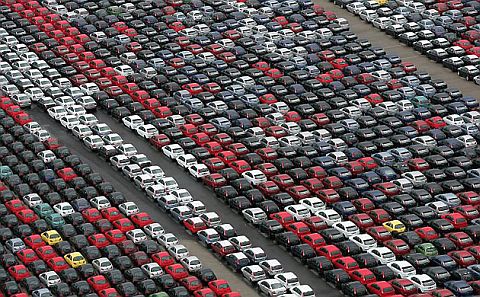
While in other parts of the world the goal is to make life easier for car manufacturers so they open new plants, invest in infrastructure and new local models, and create more jobs, in Spain they are doing exactly the opposite. A few days ago, an amendment to the Sustainable Economy Act was approved that changes the contracts between dealers and manufacturers, as part of a string of last-minute legislative decisions that are hard to understand.
Basically, the amendment will entitle dealers to receive compensation when terminating their contracts with brands and returning the cars and parts they fail to sell within a two-month period. Something that seems not very difficult to achieve, given the marathon-like drop in sales the Spanish industry has suffered since the end of the Plan 2000E.
Comments from various groups within the industry opposing the amendment were not long in coming. According to Anfac’s calculations, it will generate a production reduction of 125,000 vehicles, along with possible cancellations of investments in Spain by the major automotive groups, which will deepen the crisis even further.
This is not about debating who takes home the most money within the automotive industry. Nor which industrial groups benefit consumers and workers the most. But Spain must be the only country in the world that is at odds with cars (not only that, it even seems to hate them), with DGT abuses and hasty decisions by certain figures, as it were.


 Kia offers an electric range of 10 models, 50 versions and 400 possible combinations
 The seven finalists for the 2027 European Car of the Year (COTY) are exclusively electric
 Peugeot E-208 GTi: a battery-powered toy that revives the spirit of the 1980s sports cars
2 comentarios
Deja un comentario
Esta sería la vision del fabricante , pero la cruda realidaad es otra mucho peor , la prueba esta cuando se inicio la crisis , los primeros en pagar las consecuencias , los pobres comerciales , si aquellos niños-niñas bonitos con mucha labia, que te intentan convencer para que compres su coche, aquellos que tienen que hacer mas horas que un reloj , para cumplir objetivos , y poder tener un sueldo digno , muchas veces irisorio, ya que por tal de cumplir el objetivo marcado por el Fabricante, revientas el precio del coche , perdiendo en la venta , intentando recuperarlo , con el rapel trimestral , pero claro se acabó el volumen y se empezaron a caer concesionarios que no podian aguantar stocks de coches , que cada dfia que pasa Pagan unos intereses al propio fabricante , o sea , no vendes el coche , encima lo pagas al que lo fabrica , y ni siquiera puedes elegir que tener en la exposicion, ya que muchas veces te imponen que tienes que vender (curiosamente los que se te quedan en exposición sin que nadie los quiera) , modelos desfasados de precio, excesivo equipamiento , colores horrorosos , etc ,,, pero claro es que no sabeis vender , claro 25 años de vendedor de coches no son nada , vale mas un recien sacado master de marketing , y de ventas universitario , que 25 años al pie del cañón con el cliente dia dia , conociendo , convenciendo y sufriendo , que ya era hora , que le paren los pies a los todopoderosos fabricantes , hay que reinventar , el modelo de distribución , que ellos mismos se an cargado el mercado con tanta automatriculación , por cumplir las cifras que ellos quieren , no las que el mercado produce, es hora de despertar , por que esta es la cruda realidad.
Hola Jesús:
Un buen punto de vista de la situación, esta vez del lado de los sufridos vendedores. Trabajé 4 años con Ford y Volkswagen y en ambas ocurría todo lo que mencionas, así que no puedo más que estar de acuerdo con tu comentario.
Un saludo