The DGT wants to say goodbye to emergency warning triangles and replace them with light signals
 David Lopez @espacionblanco
18 March 2019
2 min.
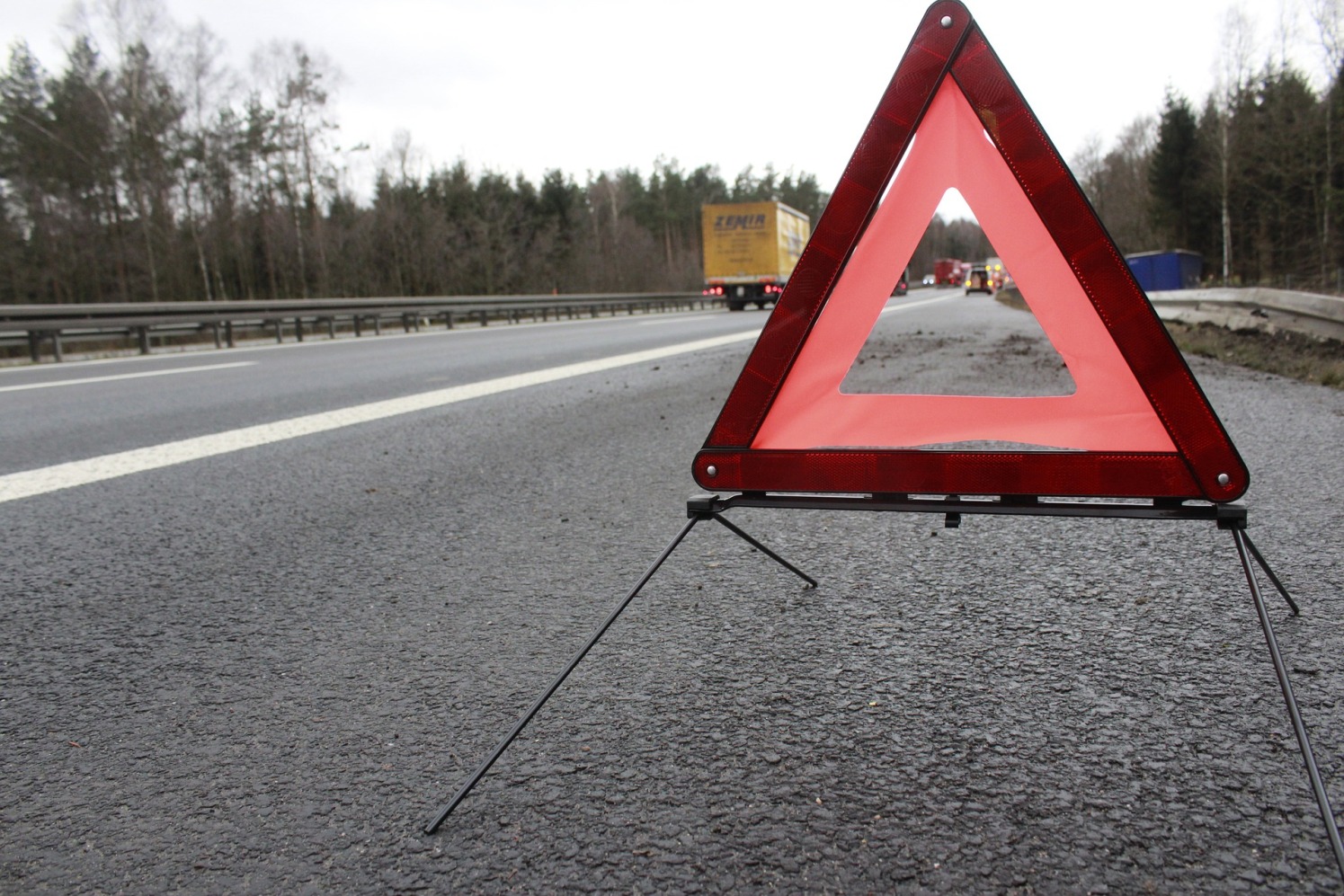
To avoid the risk of being run over in the event of an accident or breakdown when we place emergency warning triangles, the DGT wants to replace them with light signals
As you already know, when some kind of breakdown or emergency forces us to stop on the road, we must have two mandatory items in our vehicle: the high-visibility vest and the emergency warning triangles. We are obliged to carry and use them when necessary, but the DGT has in mind that emergency warning triangles will become a thing of the past.
According to the DGT’s own regulations, in an emergency that forces us to stop on the road, we must position our vehicle as far as possible from the carriageway, put on the high-visibility vest and then proceed to signal the vehicle with the emergency warning triangles. If we are on a two-way road, we must place them in front and behind the vehicle, at a minimum distance of 50 metres and visible from 100 metres away; whereas if we are on a dual carriageway or motorway, the distance is the same, but we only need to place one behind the vehicle.
If this happens on a dual carriageway or motorway, the risk of a collision or being run over is even greater, especially when the driver gets out of the vehicle to set up the warning signals, since there is generally very little margin between our car and the right-hand lane. In the words of the DGT’s deputy director, Ana Blanco, in 2018 alone, more than 20 people died on these types of roads as a result of being run over. In fact, of the 303 people killed on motorways last year according to the DGT’s own data, 20% of the dead were pedestrians.
The DGT wants to avoid this risky situation that drivers face when we get out of our vehicle to signal it, and to do so it wants to amend the regulations accordingly. The DGT’s proposal is to replace the emergency warning triangles with light signals that would be fitted to the vehicle, thus avoiding the need to leave the car and put our lives at risk.
Not using emergency warning triangles is not just an idea of the DGT’s: if we look at our European neighbours, we will see that in the United Kingdom, on both dual carriageways and motorways, placing triangles is prohibited. Furthermore, this new regulation will not apply immediately, as the DGT envisages 2025 as the year it should come into force, a period sufficient to review where and how the light signal should be positioned on our vehicles and also how the driver should behave when suffering a breakdown or accident.


 The seven finalists for the 2027 European Car of the Year (COTY) are exclusively electric
 Peugeot E-208 GTi: a battery-powered toy that revives the spirit of the 1980s sports cars
 New Lexus ES: luxury grows and goes electric
Deja un comentario