The famous Virtual Cockpit has been around for longer than you might think
 Javier López @jlopezbryan96
13 October 2017
4 min.
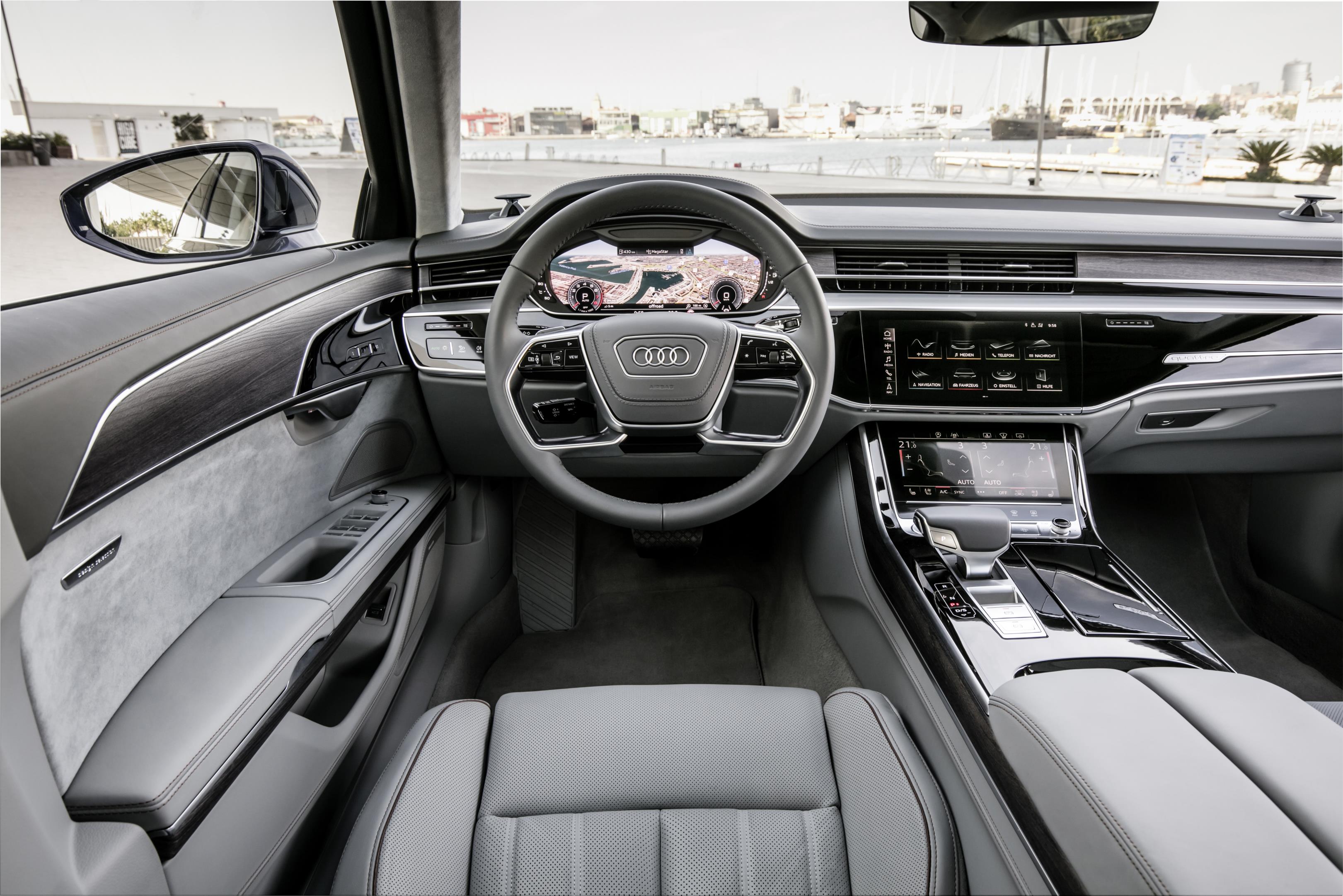
We tend to associate the Virtual Cockpit with something modern, but it has actually been around for more than 25 years, and today we tell you what the first ones were like.
It’s no longer unusual today to see the classic analogue instrument cluster disappear from the most modern cars, replaced by a computer system that provides all the information digitally. So today at Highmotor, we have looked back at the past, with the aim of showing you that the famous Virtual Cockpit (or digital instrument cluster) is older than we think.
We have to go back to the mid-1980s, when the car was enjoying its golden age and vehicles were built to last in a way that was hard to measure. Legends such as the BMW Serie 3 E30, the Mercedes-Benz 190 and the famous GTi were created. But engineers of the time did not only build cars that would become legends; they also worked on what would become the future.
One of the first examples of the Virtual Cockpit was found in the Renault TXE Electronic, a limited edition of the R11 that was never sold in Spain, but which featured an instrument panel worthy of a spaceship. It was extremely well received, as it was innovative and had never been seen before in a production vehicle. This car of the 80s was a technological revolution, but it was not the only one to join this bold innovation.
The information provided by the R11’s instrument panel was not as complete as today’s, but it was useful, as it showed temperatures, oil and fuel levels, revs, speed and any fault the Renault 11 might have had.
Another brand we must also mention is, without any doubt, Citroën, which has always been very innovative when it comes to technology. Specifically, we are going to talk about the Citroën BX, a D-segment saloon that came to light in the early 80s and which celebrated its birthday a few weeks ago. But if we look a little deeper, we will discover that there was a special edition of the BX, called Digit. It was limited to 3,000 units and was sold in 1985, only in France and in some other European countries.
Its main peculiarity was that it featured digital instrumentation which, like that of the R11, was a revolution at the time. Its instrument panel provided information on the revs and speed at which we were travelling, different levels of the engine fluids and a graphic indication showing whether any of the doors were open.
The BX Digit featured instrumentation that at the time was reminiscent of Knight Rider. These revolutions were perhaps ahead of their time, but they laid the foundations for the technology we know and can use today. But the French were not the only ones who wanted to be avant-garde.
And last but not least, we must include the Japanese in this story of the motoring world. This Asian country has always been at the forefront when it comes to technology, and in this respect they were not going to be left behind. We must make special mention of one of the last Virtual Cockpits that we can practically consider a classic, that of the Honda S2000.
This vehicle is not only characterised as one of the most desired among motoring enthusiasts, but also for incorporating a digital instrument cluster. It is true that its instrumentation did not seek to be as striking as those of the vehicles mentioned above, but that is due to the design philosophy of this sports car.
The Honda S2000 was created to be enjoyed on the road and features a cabin entirely focused on the driver, and therefore the instrument cluster is too. It offered only the basic and necessary information, nothing more. It also had other innovations such as push-button start, something rarely seen at the beginning of the 21st century.
With this we can confirm that many of the ideas we know today have been floating around the minds of the best engineers for years, but, whether out of fear of failure or because they were ahead of their time, we have not known about them until now. Surely many other innovations have been present in vehicles where, given the production era, they would have been unthinkable and, for better or worse, many of them have ended up forgotten.


 Peugeot E-208 GTi: a battery-powered toy that revives the spirit of the 1980s sports cars
 New Lexus ES: luxury grows and goes electric
 First contact with the Dacia Sandero Hybrid 155: power and efficiency from €19,890
Deja un comentario