The most dangerous things you can do in a car
 Mónica Redondo @MonicaRedondoD
9 January 2020
8 min.
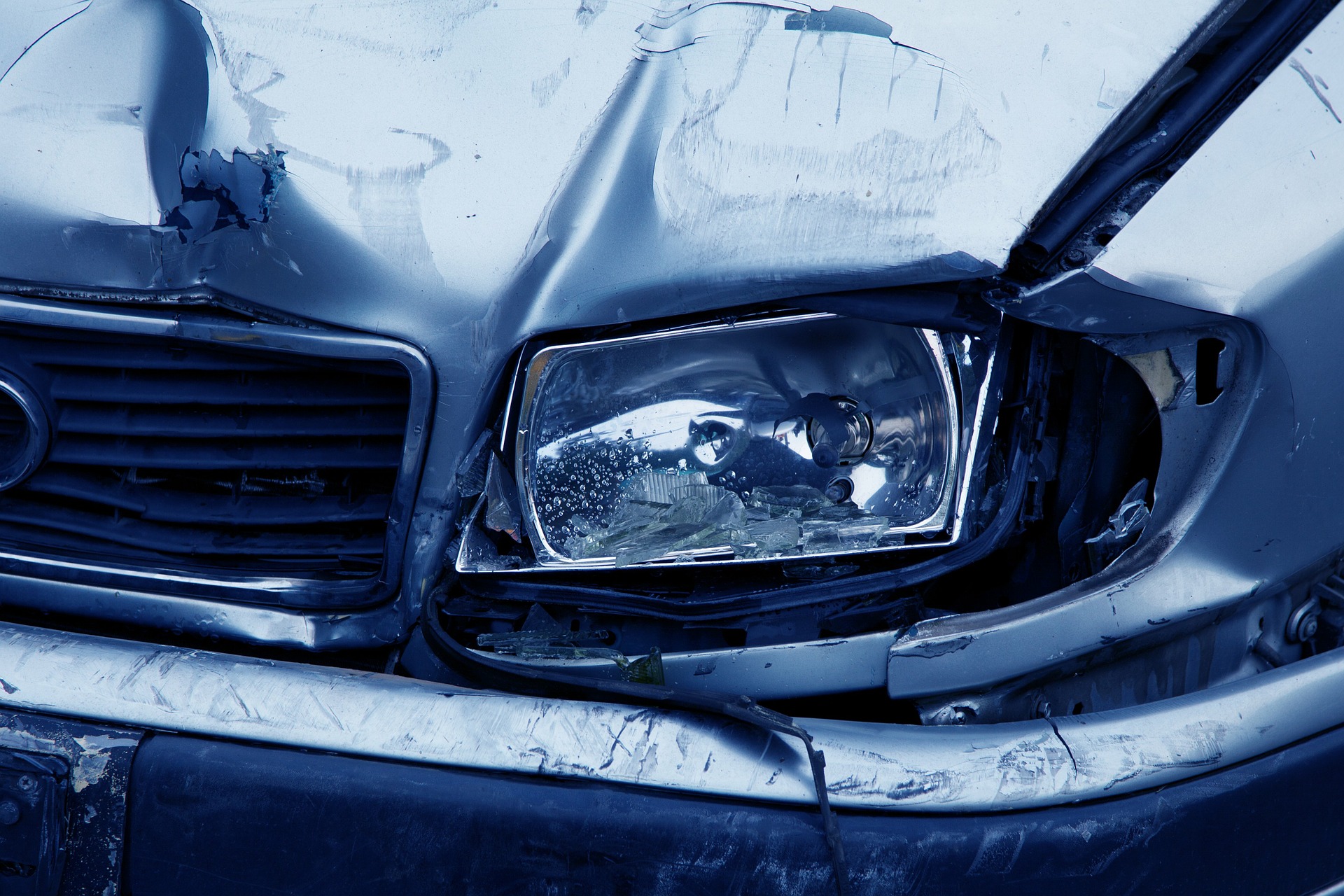
These are just some of the most dangerous things you can do in a car. Take note and drive with caution.
An overwhelming majority of road accidents are caused by human error, which means they are entirely preventable. We all develop bad habits behind the wheel over time, such as speeding or eating on the go. The best way to stay safe is to take a step back and see what we are doing wrong.
We have analysed data provided by safety organisations around the world to identify the most dangerous things you can do in a car.
Driving with headphones on
If your car radio is broken or missing altogether, listening to music through headphones may sound like an appealing alternative to driving in silence.
It isn’t; it cuts you off from the outside world. You may not hear someone sounding their horn or the motorbike about to overtake you. It’s likely you’re already streaming music from your phone, so investing in a Bluetooth speaker is a safer solution.
Drink driving
Traffic figures show that the number of fatalities in accidents in which at least one driver exceeded the permitted alcohol limit has risen. While accidents do happen, these deaths are preventable.
The effects of drink driving are well proven and well known, and the solution could not be simpler: if you drive, don’t drink. If you’re drinking, don’t drive.
Driving tired
A 2018 survey by the AA found that one in eight (13%) UK drivers admitted falling asleep at the wheel. Nearly two-fifths (37%) said they were so tired they feared falling asleep while driving.
Some researchers concluded that driving after just five hours of sleep is as dangerous as drunk driving. “The only antidote to sleepiness is sleep,” noted the AAA. Red Bull won’t give you wings at the wheel, nor will a double espresso. Try to drive when you would normally be awake, and pull over for a 20-minute nap if you start drifting across your lane or your eyes begin to close.
Not wearing a seatbelt
It is never a good idea to drive without your seatbelt fastened. Going without one is even more dangerous in a newer car equipped with airbags. If you crash, you will be thrown towards the steering wheel while the airbag deploys in the opposite direction. That is not a great recipe for survival.
Furthermore, the design of the car relies entirely on occupants being in a fixed position in the event of a collision.
Over-relying on electronic driving aids
Electronic driving aids, such as adaptive cruise control, lane-keeping assistance and automatic emergency braking, help make your journey safer, but they do not give your car driverless capabilities. There are currently no self-driving cars available for the general public to buy anywhere in the world.
While your car may know when to brake or steer, you still need to keep both hands on the wheel and both eyes on the road. The same applies to parking aids; having parking sensors and a rear-view camera is no excuse for throwing your car into reverse and rushing without looking around you first.
Driving with your knees
Driving with your knees is tempting, especially when your arms get tired on a long road trip, but it is an excellent way to put the car into the wall.
While you can probably continue in a reasonably straight line without having any hands on the wheel, you will have far more difficulty avoiding another car, a wild animal or a patch of ice if you rely on your knees to steer. Try parking in parallel with your knees if you don’t believe us.
Navigating the infotainment system
The infotainment system found in virtually all new cars can be far more distracting than a smartphone, especially if you are unfamiliar with how it works.
Modern systems are packed with a surprisingly long list of features, which are sometimes buried in several layers of menus. If you can’t immediately find what you are looking for, pull over rather than poking at the screen for miles and kilometres.
Tailgating
The closer you get to the vehicle in front of you, the less likely you are to stop in time if it suddenly slows down. That is basic physics.
Keep at least a two-second gap between your car and the one in front to make sure you have enough time to brake or steer if necessary.
Distracted driving
Taking your eyes off the road to send a text message or reply to an email is one of the best ways to have an accident. The world around you does not stop while you look away. Yet 41.3% of drivers surveyed by the US AAA admitted to reading a message on their phone while driving in 2018, and 32.1% said they had typed something.
Talking on a mobile phone while driving is even more common. And while you may be able to talk while watching the road, you are likely using one hand to hold your phone to your face, so the argument that chatting is safer than texting does not hold up. It is safer to put your phone in the centre console, or somewhere out of sight, and forget about it while you are on the move.
Ignoring warning lights
Warning lights are free, so there is no valid reason to ignore them. Some flag up potential mechanical problems, such as gearbox issues, but they are often triggered by safety concerns, such as doors that can open unexpectedly, fire risks or airbags that could spray shrapnel when they deploy.
Manufacturers send recall notices by post but, when in doubt, ask a dealer or check online.
Letting a pet roam loose in the cabin
Failing to properly restrain a dog or other animal when travelling in your vehicle can cause dangerous distractions. You could also be fined up to €5,000 for careless driving.
Eating while driving
Sooner or later, self-driving cars will merge into the mainstream and you will be able to eat a sandwich while travelling at 120 km/h on the motorway.
In a large enough car, you may even be able to cook them first. We are not there yet, and eating while driving increases the chances of a crash by 80%, according to the NHTSA, the US road safety agency. Find a safe place to stop when it is time for a snack.
Driving a car that is not properly maintained
Regular maintenance of your car keeps it reliable while saving you money in the long run, but it also ensures that you, your passengers and other drivers stay safe. If you don’t repair a coolant leak, your engine will eventually overheat, break and cost a fortune to fix.
However, if you don’t fix the brakes, they will fail sooner or later and you will end up crashing into another car because you cannot stop. Suspension parts and tyres should also be replaced as soon as they start to wear out.
Driving too slowly
Driving well below the speed limit can be just as dangerous as exceeding it, which is why you will often see signs indicating the minimum speed at which cars must travel on a given road. Safety experts warn that driving slowly increases the risk of an accident by causing confusion and disorganisation.
You also risk catching other drivers off guard; someone may need to make a last-minute manoeuvre to avoid you. We love classics and know first-hand that they cannot always reach or maintain the speed limit. The best advice is to plan ahead when driving in busy areas and avoid high-speed roads such as motorways.
Putting your feet on the dashboard
We are absolutely baffled by how many people still put their feet on the dashboard of a car while travelling as passengers in the front seat. While it has never been a safe or acceptable practice, do not forget that almost every car sold new has an airbag waiting to explode from the passenger side of the instrument cluster.
Imagine the serious injuries you will suffer if it goes off with your feet up. Being involved in a crash is bad enough; do not make it worse. Besides, your shoes have been everywhere, so they belong on the floor.


 Peugeot E-208 GTi: a battery-powered toy that revives the spirit of the 1980s sports cars
 New Lexus ES: luxury grows and goes electric
 First contact with the Dacia Sandero Hybrid 155: power and efficiency from €19,890
Deja un comentario