Astra Opel Compact Range / versions
The new Opel Astra "sheds" two hundred kilos, and this is how it did it
 Victor Alós Yus @sepelaci
22 December 2015
2 min.
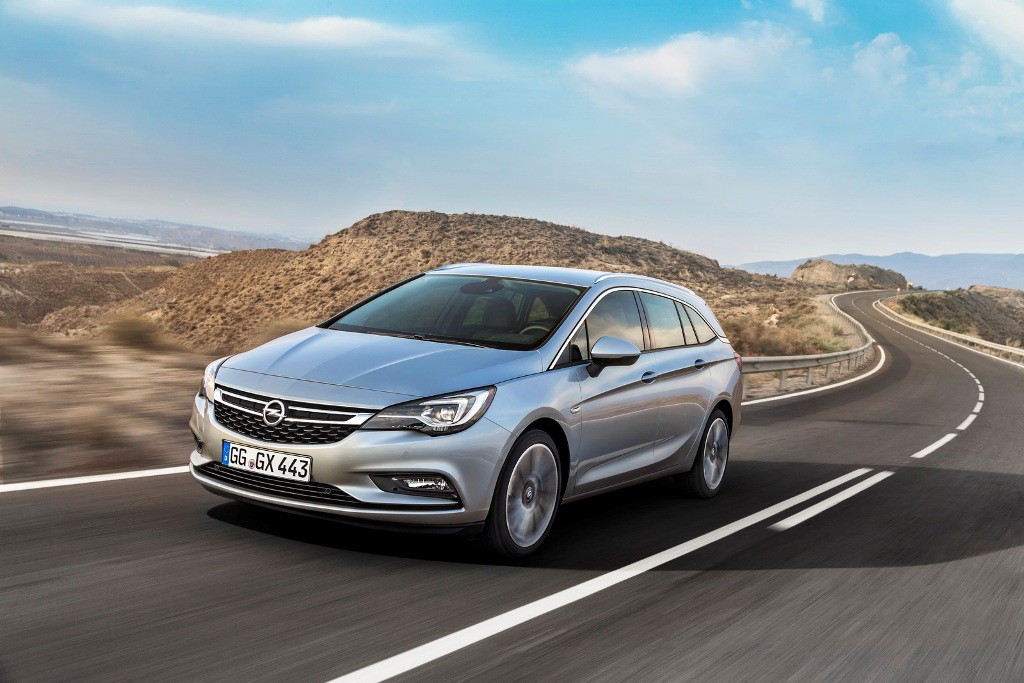
The new Opel Astra seems somewhat lighter than its predecessor, although it is not just a matter of seeming: it actually is. The design of this new version of the model has managed to remove several kilos from its bodyshell, to deliver better performance and more efficient handling. This weight saving has not come from a single place, but from a series of modifications across different points of the car to reduce weight considerably.
The body structure has benefited from a series of modifications to some of its points. Work was carried out on the design of the Opel Monza shown at the Frankfurt Motor Show in 2013, and the weight of the unpainted bodyshell has been reduced by 20%, from 357 kg to 280 kg, which is already 77 kg less than the previous model.
The chassis saves 50 kg, and the rear axle weighs 4.4 kg less than its predecessor. The braking system also allows a reduction of 10 kg, to which is added a reduction of 11.5 kg in the case of the wheels, which have also reduced their diameter. The electronics have also seen their weight reduced by 11 kg, thanks to technological advances and the smaller size of several of the components used in the Astra.
The new Opel Astra benefits from a lighter engine, thanks to the use of aluminium instead of cast iron
The ten kilos saved in the engine block come from the new ECOTEC 1.4-litre direct-injection powerplant, which is made of aluminium, unlike its predecessor, which was cast from iron. Not only is it lighter, but it also offers greater efficiency, bringing CO2 emissions down to 88 g/km.
Another area where work was done to reduce weight is the transmission, with a more compact design for the flywheel, gearbox and clutch. The weight saving in this respect has been 10 kg, the same amount removed thanks to the redesign of the seats. Finally, the exhaust system has also benefited from a weight reduction, with 4.5 kg less.
The car is somewhat smaller now, with a length of 4.37 metres, about five centimetres less. It stands 1.48 metres tall and is 1.81 metres wide, which means it is 2.5 cm lower and 0.5 cm narrower than the previous generation. All of this contributes to its efficiency, without taking away a single bit of performance.
Source | Autoexpress


 Peugeot E-208 GTi: a battery-powered toy that revives the spirit of the 1980s sports cars
 New Lexus ES: luxury grows and goes electric
 First contact with the Dacia Sandero Hybrid 155: power and efficiency from €19,890
Deja un comentario