The next-generation Nissan GT-R will be previewed by a prototype
 Yago González Mato
2 August 2018
2 min.
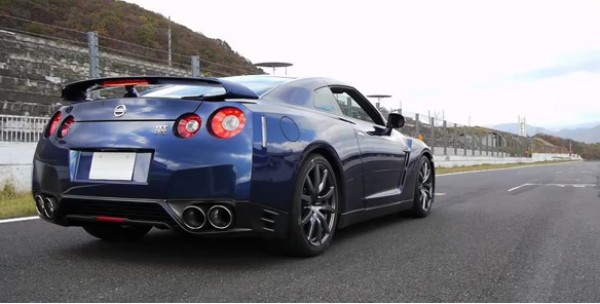
The new Nissan GT-R will reach the market in the early part of the next decade and could become the fastest supercar in the world.
The current Nissan GT-R (R35) has been at the forefront since 2007. The Japanese sports car has received several updates over this time to keep pace in the sports car segment. However, Nissan is not going to keep pushing the envelope, since the next update to the Nissan GT-R will come in the form of a new generation, and it will do so with a prototype as a preview, as confirmed by Nissan’s Senior Vice President of Global Design, Alfonso Albaisa.
The prototype of the new Nissan GT-R will arrive from 2020
In recent times, much has been said about what the next generation of the Nissan GT-R will be like, but the Japanese firm had remained silent until now… Although the next Nissan GT-R is in the early stages of development, the Senior Vice President of Global Design at Nissan says that the car will receive a prototype as a preview of the final version. This concept is expected to be unveiled in the early part of the new decade.
“The next Nissan GT-R will be the best in its class and the fastest supercar in the world,” says the executive at Nissan
Will the next Nissan GT-R be the fastest supercar in the world?
On previous occasions, Alfonso Albaisa had already revealed that the new GT-R would be the best in its class, even daring to claim that “it will become the fastest supercar in the world.”
Mechanical electrification almost guaranteed
Logically, to live up to such claims, the Japanese firm needs time and to develop very advanced technology both mechanically and in the chassis. Everything points to the new GT-R leaving behind its powerful 3.0-litre twin-turbo V6 engine producing 570 CV to make way for an electrified powertrain, whether 100% electric or hybrid. The second option could combine the current petrol engine with an electric motor or a system similar to the KERS used in Formula 1 cars.


 Peugeot E-208 GTi: a battery-powered toy that revives the spirit of the 1980s sports cars
 New Lexus ES: luxury grows and goes electric
 First contact with the Dacia Sandero Hybrid 155: power and efficiency from €19,890
Comentarios cerrados