Top 6 electric SUVs with the best range-to-price ratio in Spain: from the most affordable to the most efficient
 Dani Montesinos
25 May 2026
5 min.
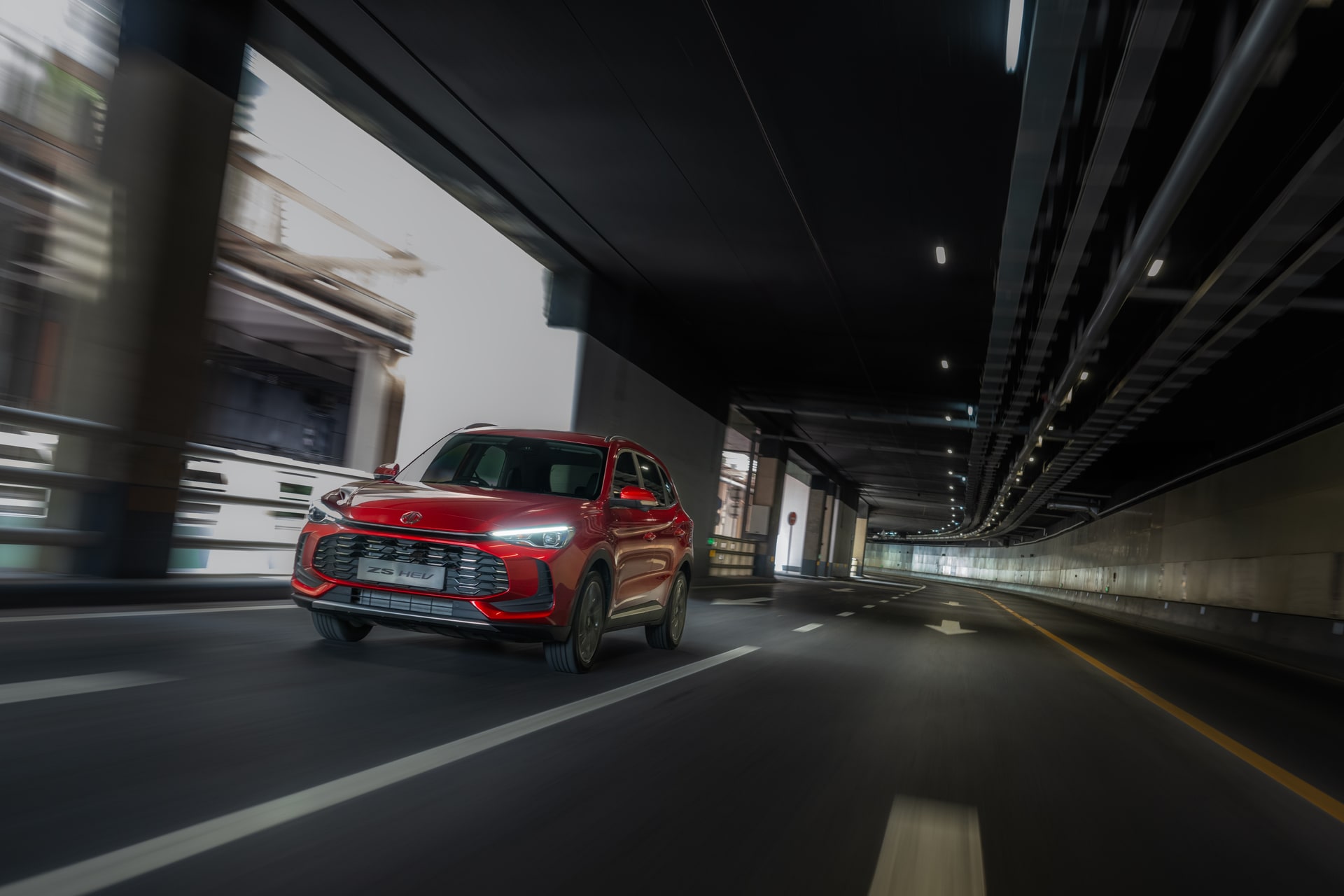
Ranking of the electric SUVs with the best euros-per-kilometre WLTP ratio on sale in Spain, with official prices and recommendations by user profile.
The electric SUV has become the decisive battleground of the Spanish market. The range of options has multiplied, prices have started to correct, and the metric that truly matters to the rational buyer is no longer just gross range or list price, but the ratio between the two: how many euros you pay for each certified WLTP kilometre. Through that lens, we have ranked six options you can configure today at a Spanish dealership, from the most affordable to the absolute efficiency benchmark.
Methodology: why the €/km ratio matters most
Comparing a 30,000 euro electric car with a 50,000 euro one by looking only at range is a fruitless exercise. That is why the euros per WLTP kilometre ratio (official price divided by certified range) levels the playing field. The lower, the better. To that figure we add Plan MOVES III incentives (up to 7,000 euros with scrappage) and a qualitative consideration: average real-world consumption, equipment and compatible charging network.
1. MG ZS EV Long Range — from 28,330 €
The entry point to the segment. The MG ZS EV in its Long Range version offers 440 km WLTP for less than 30,000 euros before incentives, placing it as the cheapest electric SUV in Spain with the most aggressive market entry. Its 70 kWh battery, 115 kW motor and surprisingly complete equipment (360-degree camera, heated seats, standard ADAS) explain why it has become a reference for fleets and pragmatic private buyers.
| Power kW | Power CV | Top speed | Range | Consumption | Label | Fuel |
|---|---|---|---|---|---|---|
| 115 kW | 156 CV | 175 km/h | 440 km | 17.8 kWh/100 km | Zero | Electric |
2. Citroën ë-C4 X — from 31,390 €
Although technically more crossover than pure SUV, the Citroën ë-C4 X enters this ranking for its French focus on comfort and for a certified range of 427 km with the 54 kWh battery. It is the choice for those who prioritise smooth ride quality, damping with hydraulic bump stops and a real-world city consumption that rarely exceeds 15 kWh/100 km. Its weakness: fast charging limited to 100 kW.
| Power kW | Power CV | Top speed | Range | Consumption | Label | Fuel |
|---|---|---|---|---|---|---|
| 115 kW | 156 CV | 150 km/h | 427 km | 14.5 kWh/100 km | Zero | Electric |
3. Peugeot e-2008 — from 21,600 €
The Peugeot e-2008 shares its platform with the Citroën but opts for a sharper design, an interior featuring the characteristic 3D i-Cockpit and premium finishes within the B-SUV segment. With 54 kWh usable and 405 km WLTP, its proposition suits the buyer who wants image and refinement without stepping up to the upper-mid range. Average consumption stays contained and the dynamics are more incisive than those of its Stellantis group rivals.
| Power kW | Power CV | Top speed | Range | Consumption | Label | Fuel |
|---|---|---|---|---|---|---|
| 115 kW | 156 CV | 150 km/h | 405 km | 15.3 kWh/100 km | Zero | Electric |
4. Hyundai Kona Electric 65 kWh — from 27,490 €
A qualitative leap. The second-generation Hyundai Kona Electric with its 65.4 kWh battery is certified at 510 km WLTP, one of the highest figures in the B-SUV segment. Hyundai adds 100 kW charging, V2L function to power external devices and an interior with a dual 12.3-inch screen setup. It is arguably the finest balance between range, perceived quality and price in its category.
| Power kW | Power CV | Top speed | Range | Consumption | Label | Fuel |
|---|---|---|---|---|---|---|
| 150 kW | 204 CV | 172 km/h | 510 km | 14.7 kWh/100 km | Zero | Electric |
5. Kia EV6 RWD Long Range — from 42,410 €
The 800-volt E-GMP platform changes the rules. The Kia EV6 RWD Long Range is certified at 582 km WLTP with its 84 kWh battery and, above all, charges from 10 to 80% in 18 minutes on a 350 kW charger. For profiles that combine city driving with regular motorway trips, this charging capability is worth more than 50 extra kilometres of range on paper.
| Power kW | Power CV | Top speed | Range | Consumption | Label | Fuel |
|---|---|---|---|---|---|---|
| 168 kW | 229 CV | 185 km/h | 582 km | 15.9 kWh/100 km | Zero | Electric |
6. Tesla Model Y RWD — from 40,990 €
The efficiency benchmark. The Tesla Model Y RWD offers 455 km WLTP with a certified consumption of 14.9 kWh/100 km and, most relevantly, native access to the Supercharger V3 network, still the densest and most reliable fast-charging infrastructure in Europe. At its current price, reduced several times over the past year, it offers a €/km ratio that is hard to beat when software, efficiency and a proprietary network are taken into account.
| Power kW | Power CV | Top speed | Range | Consumption | Label | Fuel |
|---|---|---|---|---|---|---|
| 220 kW | 299 CV | 217 km/h | 455 km | 14.9 kWh/100 km | Zero | Electric |
Summary table and overall score
| Model | Price from | Range | €/km WLTP | Fast charging | Score /10 |
|---|---|---|---|---|---|
| MG ZS EV LR | 28,330 € | 440 km | 68.2 | 92 kW | 8.2 |
| Citroën ë-C4 X | 31,390 € | 427 km | 86.9 | 100 kW | 7.4 |
| Peugeot e-2008 | 21,600 € | 405 km | 91.9 | 100 kW | 7.5 |
| Hyundai Kona 65 kWh | 27,490 € | 510 km | 80.7 | 100 kW | 8.6 |
| Kia EV6 RWD LR | 42,410 € | 582 km | 89.0 | 240 kW | 9.0 |
| Tesla Model Y RWD | 40,990 € | 455 km | 98.9 | 250 kW | 9.2 |
Recommendation by profile
- First electric car, tight budget: MG ZS EV. Unbeatable on absolute €/km.
- Urban use and comfort: Citroën ë-C4 X or Peugeot e-2008.
- Overall balance: Hyundai Kona, the most complete in the ranking.
- Frequent traveller: Kia EV6 or Tesla Model Y for their ultra-fast charging.
Frequently asked questions
Which electric SUV has the best range-to-price ratio in Spain in 2025?
The MG ZS EV Long Range, with a ratio of around 68 €/km WLTP before incentives, leads the ranking on pure euros-per-kilometre. If real efficiency and charging network are the priority, the Tesla Model Y RWD is the benchmark.
How much can you save with Plan MOVES III?
Up to 7,000 euros with scrappage of an old vehicle and 4,500 without it, available to private buyers. The incentive is claimed after purchase and is taxed under personal income tax (IRPF) the following year.
Is more range or faster charging better?
It depends on use. For daily journeys under 80 km, 400 km WLTP is more than enough. For frequent intercity trips, fast charging above 150 kW is more useful than adding 100 extra km of range.
What real consumption can you expect from these electric SUVs?
In mixed driving, between 15 and 18 kWh/100 km. On the motorway at 120 km/h, figures rise to 19-22 kWh/100 km, which reduces the certified range by between 20 and 30%.


 Kia offers an electric range of 10 models, 50 versions and 400 possible combinations
 The seven finalists for the 2027 European Car of the Year (COTY) are exclusively electric
 Peugeot E-208 GTi: a battery-powered toy that revives the spirit of the 1980s sports cars
Deja un comentario