Volkswagen reaches a union agreement that will lead it to reduce production in Germany
 Javier Cantagalli
2 January 2025
3 min.
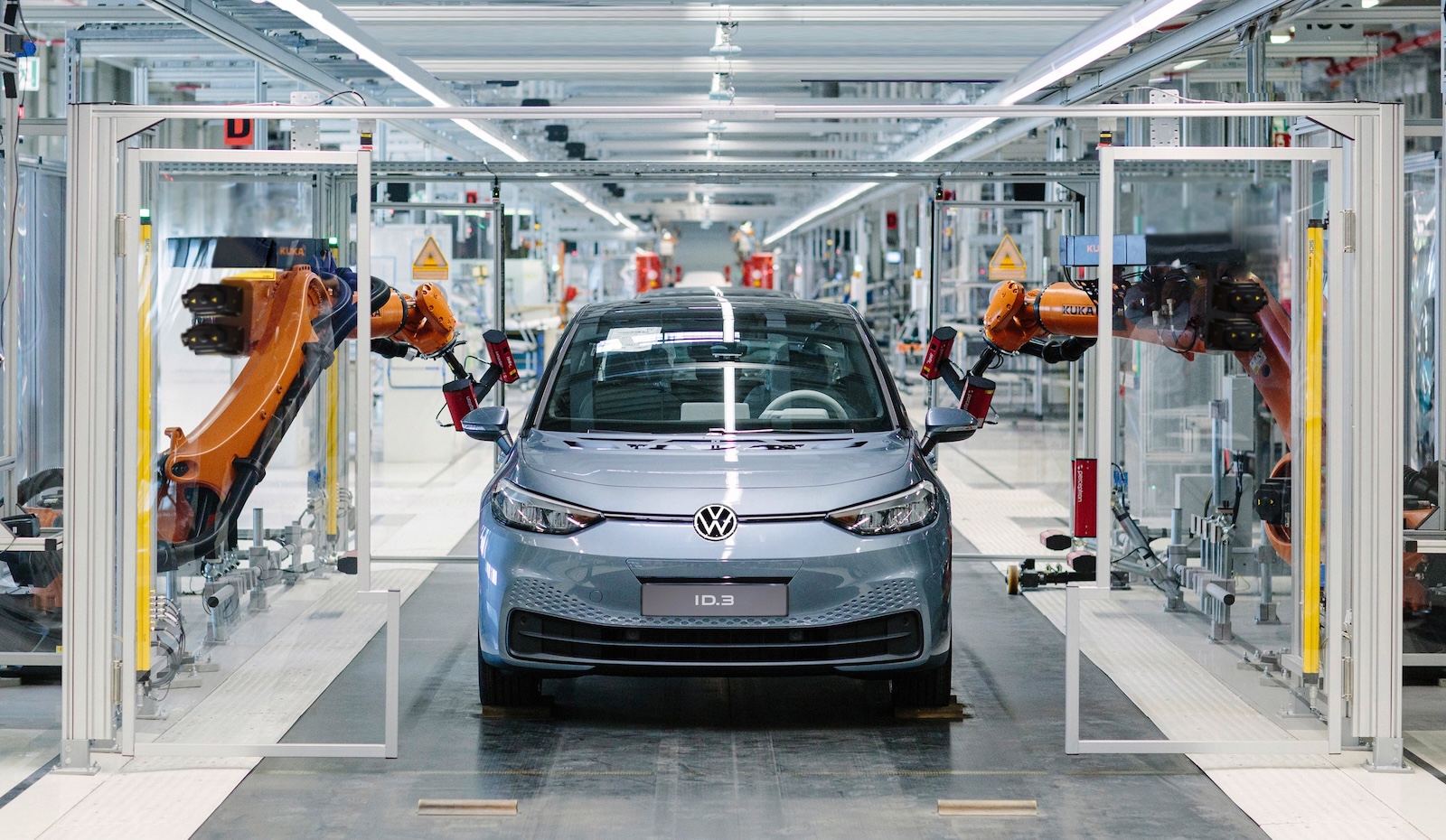
The complicated situation the company has faced in recent years has made it necessary to reach an agreement like this one, which allows it to readjust production volume over the long term and also reduce costs.
Just a few days before Christmas, Volkswagen finally reached an agreement with IG Metall, Germany’s main trade union, which ends the wage dispute they had been engaged in. According to what both parties have signed, this compromise will mean the elimination of 35,000 jobs in Germany by 2030 and a reduction in production capacity in the country of more than 700,000 vehicles, a good number of them electric.
After five days of intense negotiations, Volkswagen managed to seal this agreement just before Christmas, thus avoiding possible widespread strikes at the start of the new year.
The announced reduction of 35,000 jobs by 2030 exceeds the company’s initial proposal of 30,000 jobs, which at the time already caused considerable discontent among Volkswagen workers, especially at the main plant in Wolfsburg. This restructuring includes the elimination of 4,000 positions in the development area, with the aim of positioning itself competitively for the future. Thanks to this agreement, Volkswagen estimates that it will be able to achieve an annual reduction in labour costs of 1,500 million by 2030.
On the positive side for the company’s permanent employees, Volkswagen guarantees that it will maintain their jobs until 2030, although the vacancies that arise will most likely not be filled with new hires. Cuts to bonuses and profit-sharing have also been agreed, but the 10 percent salary reduction requested by the Board of Management was rejected.
Fewer Volkswagen vehicles will leave the German plants
Regarding production, a reduction of 734,000 vehicles per year has been confirmed at the plants located in Germany. This readjustment will also bring some changes in the allocation of models to each of Volkswagen’s production plants in German territory. Thus, for example, the ID.3 and the Cupra Born will be produced in Wolfsburg, while the ID.4 will move entirely to Emden. Additionally, production of the combustion-engine Golf will be moved entirely from Wolfsburg to the Mexican plant in Puebla starting in 2027.
On the other hand, the Dresden plant will permanently halt production this same year, while Zwickau will be left with a single assembly line, which could affect its long-term profitability.
Satisfaction in the company’s management
Following this union agreement, Oliver Blume, the current Chief Executive Officer of the Volkswagen Group, has described it as a major step forward for the company he leads since, in his own words, it will allow important steps to be taken in the group’s future planning. He also considers that in this way the viability of Volkswagen is guaranteed in a challenging economic context, maintaining production at most plants and securing jobs until 2030.


 Peugeot E-208 GTi: a battery-powered toy that revives the spirit of the 1980s sports cars
 New Lexus ES: luxury grows and goes electric
 First contact with the Dacia Sandero Hybrid 155: power and efficiency from €19,890
Deja un comentario