Waymo adds Zeekr robotaxis to its test fleet in San Francisco
 Victor Alós Yus @sepelaci
17 May 2024
2 min.
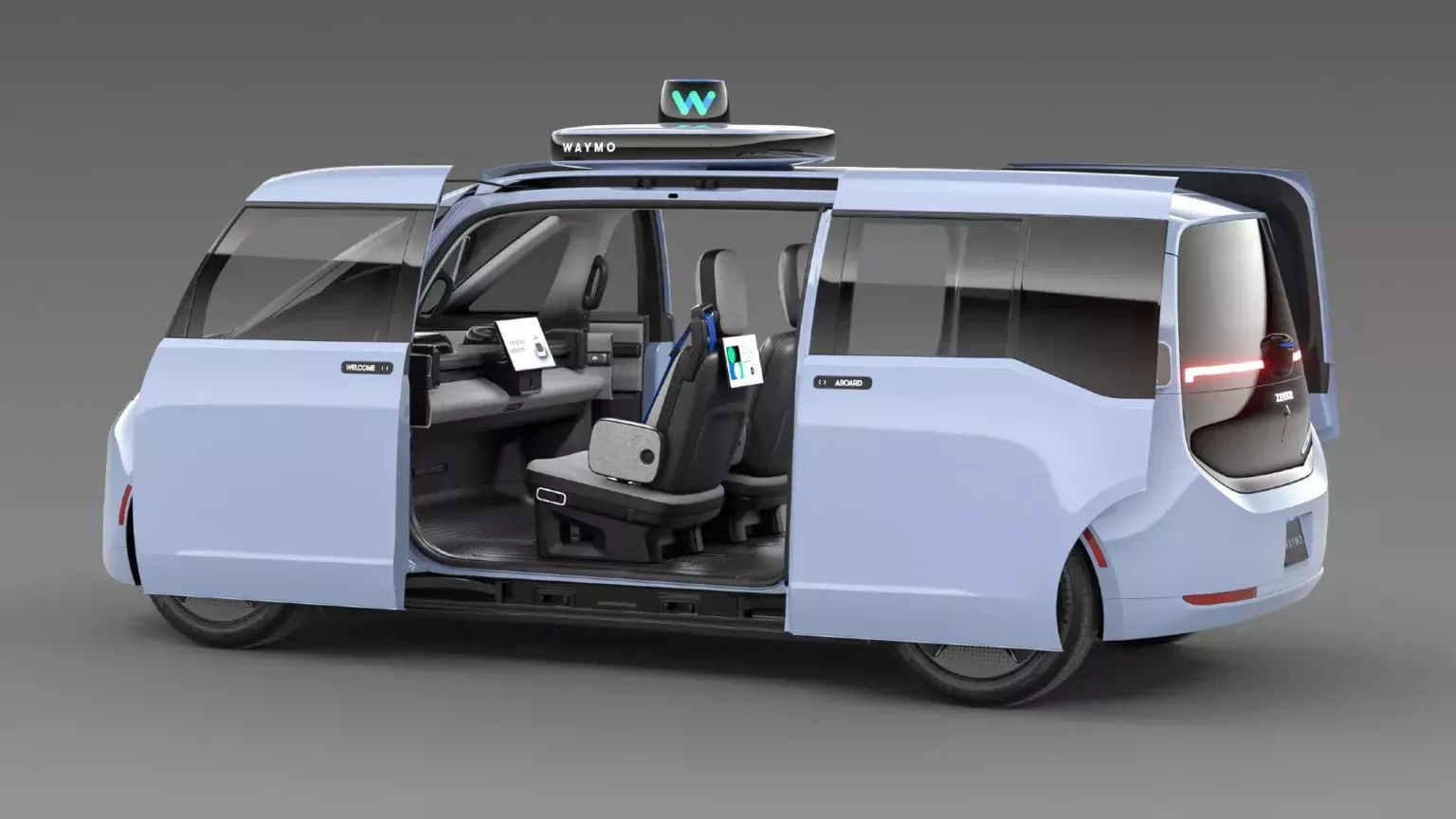
Waymo’s San Francisco fleet has been strengthened with the purchase of several Zeekr robotaxis, which will provide service despite the problem of tariffs on Chinese EVs.
The presence of autonomous taxis on city streets is something that is still not happening regularly. Only a few cities around the world offer this service, and San Francisco is perhaps the best known. There, Waymo, the autonomous driving division of Alphabet, operates. And its robotaxi fleet has been reinforced with the addition of units from the Zeekr brand.
These are called M-Vision and are based on the SEA-M platform of the Chinese brand. This platform is based on the SEA used by vehicles from the brands Volvo, Smart, Lotus and Polestar. Although no details of the vehicle are known, it is expected to offer an 800-volt architecture. The motor is believed to be the same one used in the Zeekr 007, although it may use a less powerful configuration than this one.
In terms of styling, if it follows all the design lines shown by the M-Vision concept model, it could have sliding doors at both the front and rear. This will make it easier to get into the vehicle. Inside, a flat floor has been installed, which helps the ride to be shared comfortably, since there are no obstacles to accommodate the occupants.
But this presence of Chinese electric cars in the American company’s fleet presents a serious problem that has nothing to do with the technology used. The real problem comes from the Biden administration. This, as in Europe, has introduced a tariff that taxes all electric cars arriving from China.
This means that the price of these vehicles doubles and may pose a serious problem for balancing the company’s accounts. For now, the exact number of Zeekr robotaxis that Waymo has acquired to provide services in the city has not been made public.
The solution could come from moving production of the Zeekr robotaxi to a country such as Mexico. In this way, by not being manufactured in China, it would avoid the additional tariffs on its sale in the United States. For now, we must wait and see what happens with these tariffs, which may serve purposes beyond protecting the production of made-in-USA vehicles. For the moment, they could hinder the deployment of robotaxi fleets from China and considerably delay the proper development of the technology.


 The seven finalists for the 2027 European Car of the Year (COTY) are exclusively electric
 Peugeot E-208 GTi: a battery-powered toy that revives the spirit of the 1980s sports cars
 New Lexus ES: luxury grows and goes electric
Deja un comentario