What the flywheel is and what it is for
 Victor Alós Yus @sepelaci
5 October 2019
3 min.
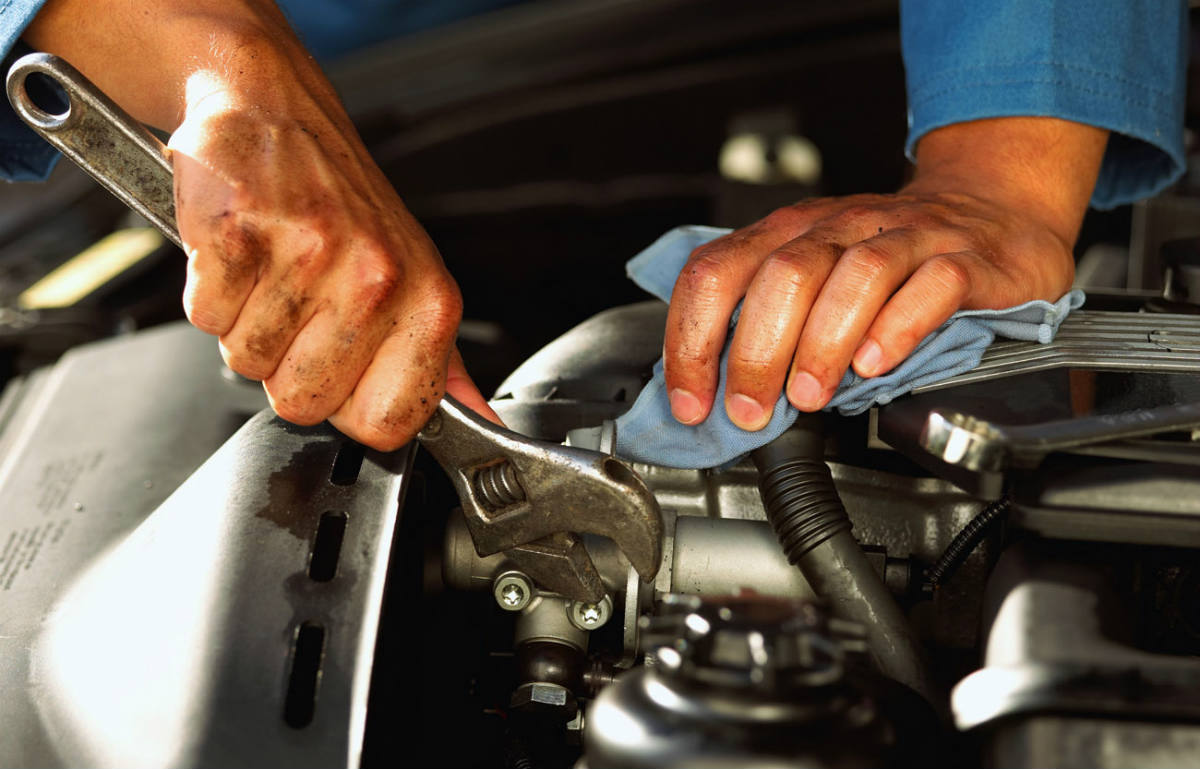
The flywheel stores kinetic energy while the engine is running and removes vibrations, making driving smoother and more pleasant
There are many parts in a car that we don’t usually think about and that are unfamiliar to us. But even if we don’t know they exist, where they are or what they are for, they are essential for us to drive the car normally and for it to work properly. Sometimes we come across parts such as the flywheel and we don’t really know what it is, where it is and what it is for in our car.
What is the flywheel and where is it?
The flywheel is a key component that gives the engine precision during its operation. It is a round, toothed part located next to the crankshaft, closest to the gearbox and near the clutch. Its function is to store kinetic energy, absorbing energy from the engine. When it stops receiving force, it keeps rotating and manages to reduce jerks and abrupt actions.
In addition, it eliminates engine vibrations, making driving more pleasant and easier. The problem is that it is a part subject to heavy wear and it can easily break down. A fault in the flywheel can be costly and quite complicated to fix. But before talking about that, let’s look at what types of flywheel there are on the market.
Types of flywheel
The first type of flywheel you can find on the market is the simplest. It consists of a toothed disc and its job is to reduce the angular speed of the crankshaft as much as possible. This type of flywheel is being phased out in new engines, as more modern systems become established.
The second type is more complex and is increasingly common in the latest models. It is called DMF, dual-mass or dual. It consists of two connected pieces that rotate together, a helical spring and a ball bearing.
In this type of flywheel, the manufacturer’s references for the adjustment of the part are usually found, which helps the person handling it or having to replace it with the necessary instructions for replacing the part and the specific settings.
How to avoid flywheel faults
To avoid unexpected faults, it is important to look after the clutch properly. Responsible driving helps keep flywheel wear to a minimum. It is also important not to accelerate hard when driving at low revs, since that energy is suddenly transmitted to the flywheel and increases its wear.
Each flywheel is matched to the engine it has been fitted to, so any change in power or modification can be quite harmful to the part. And if the time comes when the flywheel breaks down, the replacement can be quite expensive.
The flywheel can cost between 150 and 500 euros, but this is only the price of the part. Labour must be added to that. It is a complex replacement that requires the work of a professional who knows the engine well and how to work with it. So it is best to look after its condition, and at any strange engine noise or anything else that raises doubts about how the engine is running, visit the workshop so it can be checked properly, the problem located, and the work needed to avoid bigger problems suggested.


 Peugeot E-208 GTi: a battery-powered toy that revives the spirit of the 1980s sports cars
 New Lexus ES: luxury grows and goes electric
 First contact with the Dacia Sandero Hybrid 155: power and efficiency from €19,890
Deja un comentario