12 risky behaviors you should avoid during the getaway
 Jaime Gomez
30 June 2017
3 min.
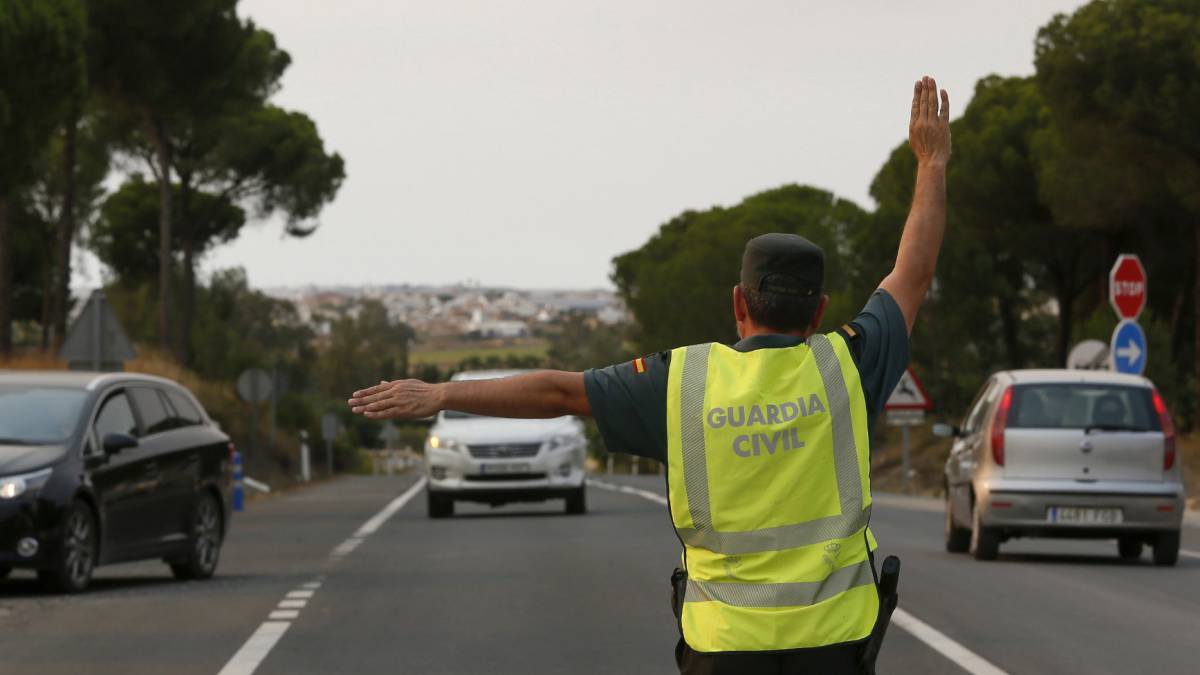
Putting on your seatbelt while driving or unsafe overtaking are some of the risk factors we overlook at the wheel.
Summer is one of the periods of the year with the most road journeys, so it is necessary to take extra precautions to avoid human errors at the wheel. Below we warn about twelve risky behaviours and risk factors that we do not take into account at the wheel and that we can avoid to increase road safety and reduce the risk of accidents.
These are not classic, regulated behaviours or factors such as speed, alcohol, drugs or mobile phone use, which are already well known, but behaviours we overlook and whose prevention would help reduce the number of accidents on the roads.
- The danger of hasty overtaking in an attempt to keep the whole group together when travelling as a group. You can drive at a similar pace, but do not try to stay together at every moment.
- Measuring the journey in time rather than kilometres leads us to set a fixed arrival time, which increases our speed and the number of overtakes.
- There is a higher risk of traffic accidents on holiday departures than on the return journey, due to the fatigue with which many trips often begin.
- A fatigued driver doubles the number of distractions, increases reaction time, makes more mistakes, and checks the rear-view mirrors and road signs four times less than a rested driver.
- Driving between two and four in the afternoon and at night are the hours with the highest risk of accidents.
- Keeping a dangerous object on the seat, such as a beaded seat cover, a cushion, or a towel after coming from the beach, can be fatal in what is known as the submarining effect: the driver slides under the seatbelt.
- Traffic jams generate a lot of stress in drivers, impair attention and notably increase aggressiveness.
- One of the frequent causes of traffic accidents is putting on the seatbelt while driving or attempting to do so hastily when we see the Guardia Civil or the Police.
- High-stress situations such as a divorce, the loss of a loved one or losing a job can double the likelihood of a serious accident.
- We must stay alert to the vehicle in front and keep a safe following distance, especially in queues that can lead to chain-reaction collisions.
- Extra attention on secondary roads, especially when overtaking.
- Occasional drivers are a danger, as they have a 40% higher chance of having an accident due to lack of habit in using the vehicle.
Between 2006 and 2015, during the months of June, July, August and September, 9,251 people were recorded dead in road accidents; 444,783 were injured and around 45,000 were left with permanent injuries.
Everyone at Highmotor wishes you a very good trip, plenty of caution and that we see each other with much more joy on your return.


 The seven finalists for the 2027 European Car of the Year (COTY) are exclusively electric
 Peugeot E-208 GTi: a battery-powered toy that revives the spirit of the 1980s sports cars
 New Lexus ES: luxury grows and goes electric
Deja un comentario