Audi BMW Q7 X5 Comparisons Tests SUV
Audi Q7 vs. BMW X5: seven-seat premium mid-size SUV showdown under 95,000 euros in 2026
 Iván Navarro
16 November 2026
5 min.
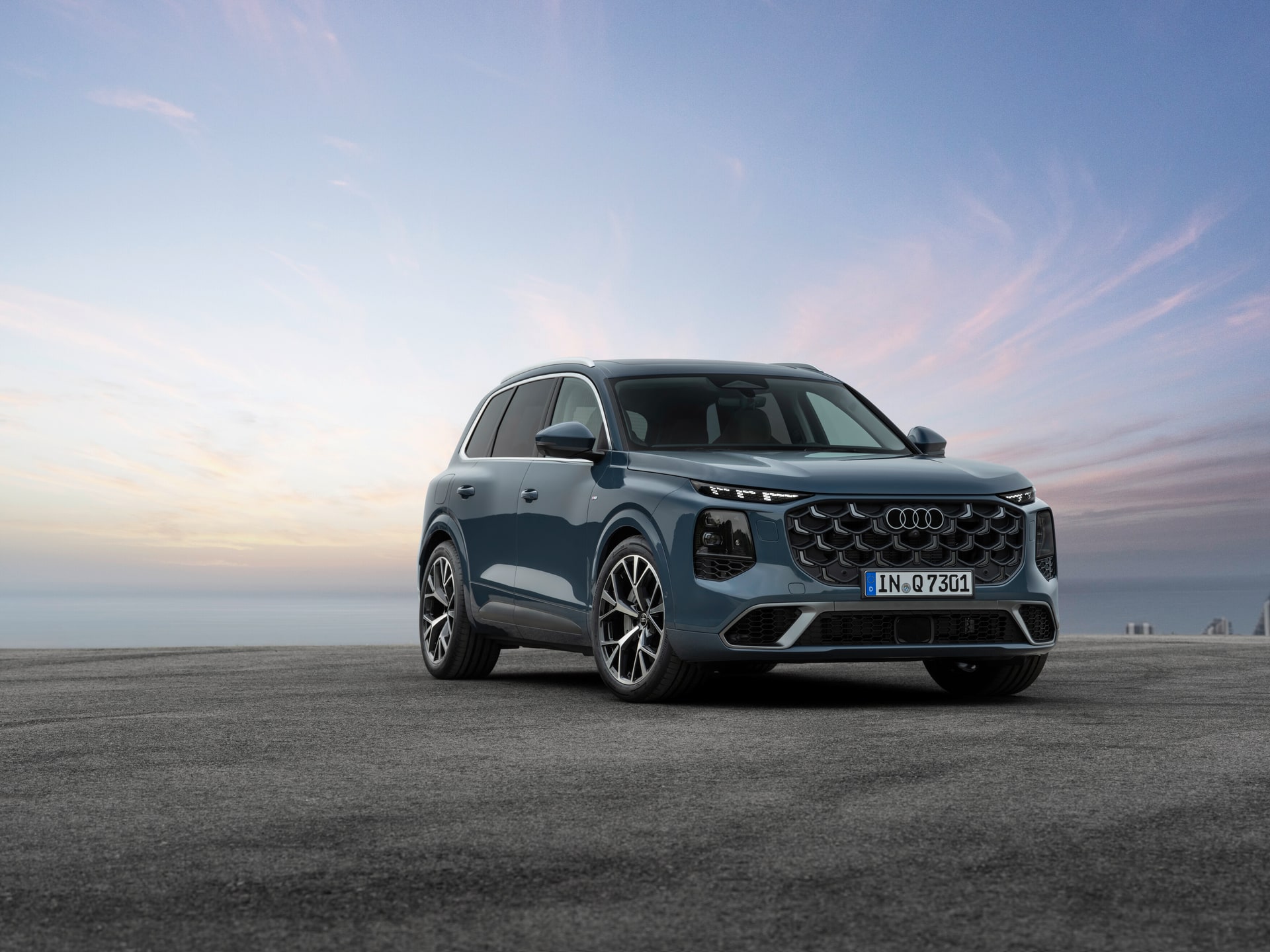
Few purchasing decisions generate as much doubt as choosing a seven-seat premium mid-size SUV. Budget matters, but so does mechanical philosophy: a diesel that is contained and easy to use, or a petrol with more character and fewer complexities? This is where the Audi Q7 and the BMW X5 separate almost entirely, even though they share the segment, size and family-oriented purpose.
Audi Q7 2026: price from 84,200 € and technical specifications
The Audi Q7 in question is the 45 TDI Advanced quattro variant, a 231 hp mild-hybrid diesel that arrives in Spain from approximately 84,200 € RRP. It is the more restrained proposal of the two, both in power and in price tag, and it relies on quattro all-wheel drive as its argument for safety and versatility.
| Model | Power | Top speed | Consumption | CO₂ | Fuel |
|---|---|---|---|---|---|
| Audi Q7 45 TDI quattro | 170 kW / 231 hp | 226 km/h | 7.8 l/100 km | 204 g/km | Mild-hybrid diesel |
BMW X5 2026: price from 99,500 € and technical specifications
The BMW X5 xDrive40i, in its G05 bodywork with xLine trim, sits one step above in performance and in price: it comes to around 99,500 € RRP and delivers 381 hp thanks to a six-cylinder petrol engine with mild-hybrid assistance. It is by far the more powerful of the two, although it slightly exceeds the 95,000 € ceiling set for this showdown if the configuration is not adjusted.
| Model | Power | Top speed | Consumption | CO₂ | Fuel |
|---|---|---|---|---|---|
| BMW X5 xDrive40i | 280 kW / 381 hp | 250 km/h | 8.6 l/100 km | 195 g/km | Mild-hybrid petrol |
Audi Q7 vs. BMW X5: direct comparison
On paper, the X5 wins in almost everything measured in horsepower and top speed: 381 hp versus 231, and 250 km/h versus 226. But the Q7 counters with an argument that is no small matter in a family car for daily use: 7.8 l/100 km of homologated consumption versus the BMW’s 8.6, with more than 15,000 euros less upfront outlay. The price difference, in fact, is nearly a whole compact car.
Design and seven-seat practicality
Both are conceived for large families, with a foldable third row and a boot that adapts to the configuration. The Q7 plays the card of classic German discretion, clean lines and a cabin that prioritises ergonomics over spectacle. The X5, in its xLine version, adds a more muscular touch to the bodywork, consistent with its 381 hp under the bonnet. Those looking for references on trim levels in this segment can review the ranking of the 6 seven-seat SUVs with the highest perceived interior quality, where both brands usually appear near the top.
Engine and dynamic behaviour: mild-hybrid diesel versus mild-hybrid petrol
Here lies the real debate. The Q7 TDI delivers its torque progressively, designed to devour motorway miles without drama or frequent visits to the petrol station. The X5 xDrive40i, with its 381 hp, moves in a different category of response: overtaking resolved with ease and a six-cylinder sound that a diesel, by definition, cannot match. It is faster, yes, but that difference in character is also felt in the wallet every time you refuel.
Consumption and environmental label
Neither enters the territory of strict low emissions, which is logical for SUVs weighing over two tonnes with combustion engines (both carry the ECO label thanks to 48V light hybridisation). The Q7 homologates 204 g/km of CO₂ and the X5 stands at 195 g/km, because each litre of diesel burned generates more carbon dioxide than a litre of petrol; even so, it is worth noting that real-world motorway consumption tends to push the BMW’s running costs up more than the Audi’s, simply because it has 150 extra hp that invite you to use them.
Price and versions: what to know before signing
With the Q7 from 84,200 € and the X5 from 99,500 €, the starting difference is around 15,300 €, a margin that in configurations with similar equipment — and adding the optional third row of seats on the BMW — can widen even further.
Which to choose based on your usage profile?
For those who prioritise comfort and long-term efficiency
If the car will cover motorway kilometres, long family trips and you want to keep fuel spending under control, the Audi Q7 TDI is the most sensible option. Less power, but also less friction in everyday use and a considerably more accessible entry price.
For those seeking performance and sporty dynamics
The BMW X5 xDrive40i is designed for those who do not want to give up a forceful engine response, even though that means a larger outlay and somewhat higher consumption. It is the mid-size SUV that is enjoyable even when there is no rush.
Comparative summary table
| Model | Power | Consumption | Price from | Fuel | Score |
|---|---|---|---|---|---|
| Audi Q7 45 TDI quattro | 231 hp | 7.8 l/100 km | 84,200 € | Mild-hybrid diesel | 8.3/10 |
| BMW X5 xDrive40i | 381 hp | 8.6 l/100 km | 99,500 € | Mild-hybrid petrol | 8.1/10 |
For a broader view of the segment, the article on how to choose a premium family SUV in 2026 reviews soundproofing and technology equipment criteria that apply directly to this comparison.
Frequently asked questions
Which is cheaper, the Audi Q7 or the BMW X5?
The Audi Q7 45 TDI quattro starts at 84,200 € RRP, compared with the 99,500 € of the BMW X5 xDrive40i. The difference is around 15,300 €.
Which SUV consumes less, the Q7 or the X5?
The Audi Q7 homologates 7.8 l/100 km versus the 8.6 l/100 km of the BMW X5, a moderate but consistent difference in favour of the diesel.
Are the prices in this article final?
No. They are manufacturer’s recommended retail prices, without dealer discounts or one-off promotions.
Which of the two has more power?
The BMW X5 xDrive40i, with 381 hp, clearly outperforms the 231 hp of the Audi Q7 TDI.
Technical specifications of the cars in this article
 Kia offers an electric range of 10 models, 50 versions and 400 possible combinations
 The seven finalists for the 2027 European Car of the Year (COTY) are exclusively electric
 Peugeot E-208 GTi: a battery-powered toy that revives the spirit of the 1980s sports cars
Deja un comentario