BMW has continued to increase sales of its electric models quarter after quarter
 Javier Cantagalli
14 July 2025
3 min.
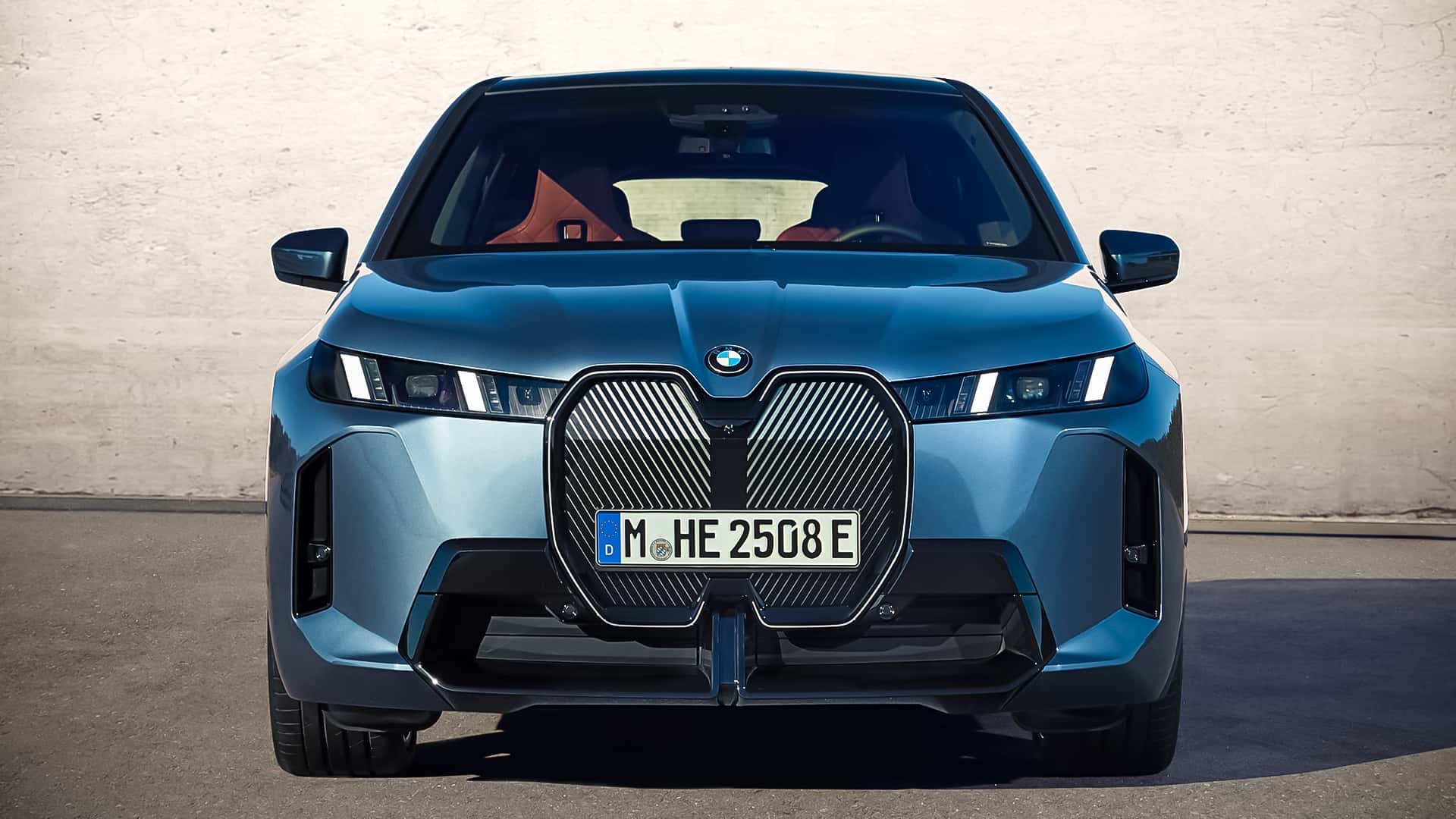
The slower pace of growth in the second quarter of the year suggests, however, that sales volume of BMW’s electric models may be reaching its ceiling.
The BMW Group reported another quarter of growing sales volume across the wide range of electric models in its line-up. In the second quarter of 2025, the Bavarian firm delivered 111,027 vehicles of this type. This is a slight increase over the 109,516 it placed in the hands of customers in the first quarter of the year.
In this way, in the first half of the current year the company managed to sell 220,540 vehicles with a fully electric drivetrain, surpassing the 190,622 units of the same period in 2024. The growth rate was therefore 15.7 percent.
Although these are very positive results for the BMW Group as a whole, it is important to point out that a certain slowdown is already visible in the growth of the company’s electric model sales. Thus, while in the first quarter the increase in sales of pure electric models was 32.4 percent, in this second quarter growth barely reached 3 percent compared with the same period of the previous year. The results of the coming quarters will therefore be key to finding out whether BMW is able to keep increasing sales of its electric models at a good pace, or whether it has already peaked.
Analysis of the results
In general terms, the total sales of the BMW Group, which include vehicles with any type of drivetrain, reached just over 1.2 million units in the first half. This represents a slight drop of 0.5 percent compared with the previous year. Electric models accounted for 18.3 percent of total deliveries in this period, while in the second quarter they reached 17.9 percent.
For their part, electrified vehicles -that is, pure electric plus plug-in hybrids- grew 18.5 percent, totalling 318,949 units. Of these, 98,409 were plug-in hybrid models, almost all under the BMW brand.
BMW, as a brand, sold 272,402 electrified vehicles in the first half of the year, of which 174,063 were pure electric models. This places BMW well ahead of competitors such as Mercedes-Benz, which reported just 75,700 electric vehicles sold in the same period, and also brings the Bavarian manufacturer close to matching the 101,400 units of Audi.
The MINI brand, on the other hand, showed notable growth, with a 17.3 percent increase in global deliveries, reaching 133,778 units in total. The fully electric models of the British firm were the main driver of this growth, accounting for more than a third of the brand’s worldwide sales, equivalent to around 44,147 units. MINI’s results were especially positive in China, where the BMW brand, by contrast, faced a decline in sales.
Finally, we should also mention Rolls-Royce, which managed to increase deliveries in the second quarter by 9.4 percent, with 1,415 vehicles placed in the hands of customers. However, the total for the half-year was slightly lower than in 2024, when 2,796 vehicles of the brand were sold. In case you’re wondering, the company has not released specific data on its electric Spectre model.


 Peugeot E-208 GTi: a battery-powered toy that revives the spirit of the 1980s sports cars
 New Lexus ES: luxury grows and goes electric
 First contact with the Dacia Sandero Hybrid 155: power and efficiency from €19,890
Deja un comentario