Bigster Dacia Hyundai Karoq KIA Nissan Qashqai Skoda Sportage T-Roc Tucson Volkswagen Comparisons Rankings SUV
Dacia Bigster vs Nissan Qashqai: affordable family SUVs compared for the best value for money in 2026
 Iván Navarro
18 November 2026
5 min.
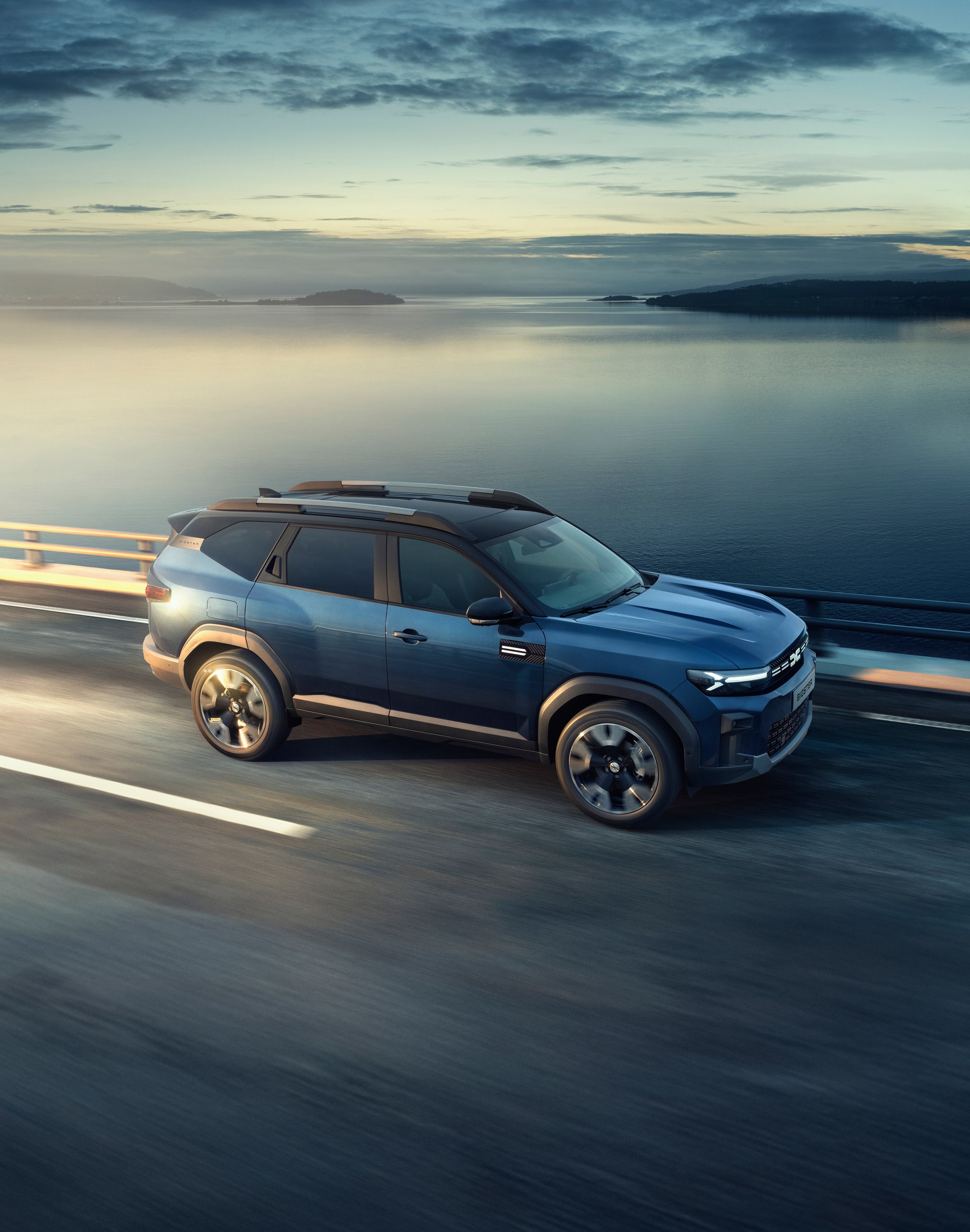
We compare the Dacia Bigster and the Nissan Qashqai, two family SUVs with a declared 140 CV but a difference of more than 7,000 € in RRP. We analyse real-world consumption, equipment and which model offers the better price-to-equipment ratio in 2026.
Same power figure, same mild-hybrid philosophy, almost 7,200 € apart at the starting price. Few C-SUV comparisons make the question that really matters so clear: how much of that price premium translates into something you actually notice behind the wheel, and how much is simply the brand charging for its prestige? The Dacia Bigster and the Nissan Qashqai compete in the same range that Spanish families shop in when they want a large, practical SUV without surprises. And that is where the price-to-equipment ratio stops being a brochure argument and becomes the question that really decides a purchase.
Dacia Bigster, from about 25,000 €: the SUV that prioritises price
The Bigster is Dacia’s bid to move up a step without giving up its hallmark: contained cost, proven mechanics, no superfluous luxuries. The Hybrid-G 1.2 TCe 140 48V Essential version fits a petrol mild hybrid with LPG capability, which in 2026 remains a competitive rarity in this segment. It declares 140 CV (about 100 kW) and homologates consumption of roughly 5.5 l/100 km, a figure that in real mixed driving stays reasonably faithful to what is advertised, something that is not always the case with the competition’s mild hybrids.
| Version | Power (kW) | Power (CV) | Top speed | Consumption | CO₂ | Fuel |
|---|---|---|---|---|---|---|
| Hybrid-G 1.2 TCe 140 48V Essential 5dr | ≈100 kW | ≈140 CV | ≈180 km/h | ≈5.5 l/100 km | ≈130 g/km | Petrol/LPG mild hybrid |
Nissan Qashqai, from about 32,200 €: the SUV that prioritises finish
The Qashqai has been the C-SUV benchmark in Spain for more than a decade, and that comes at a price. The mHEV 1.3 DIG-T 140 12V Acenta variant also offers 140 CV (≈100 kW), but its mechanical approach is different: an electric mild-hybrid system, not gas, designed to smooth starts and recover energy under braking. Top speed rises to 200 km/h, a figure that shows up on the motorway as a sense of reserve, although the homologated consumption suffers: ≈6.5 l/100 km, a full litre above the Bigster.
| Version | Power (kW) | Power (CV) | Top speed | Consumption | CO₂ | Fuel |
|---|---|---|---|---|---|---|
| mHEV 1.3 DIG-T 140 12V Acenta 5dr | ≈100 kW | ≈140 CV | ≈200 km/h | ≈6.5 l/100 km | ≈140 g/km | Petrol/electric mild hybrid |
Technical comparison: same power, different approach
On paper both declare the same horsepower figure. In practice they behave differently. The Qashqai goes for higher top speed and electric assistance that helps in town; the Bigster prioritises efficiency and, thanks to its LPG compatibility, offers an additional saving route that the Nissan does not even contemplate in Spain. For a family doing 20,000 km a year between town and open road, that consumption gap (5.5 versus 6.5 l/100 km) translates into a fuel saving that is by no means negligible over a year.
Real-world consumption and environmental label
Neither of them carries the DGT ECO label because both are non-plug-in mild hybrids, which in practice places them in category C if they meet the current emissions requirements. The difference in homologated CO₂, 130 g/km versus 140 g/km, is modest but consistent with what we have already seen in other duels in the segment, such as the one we analysed between the Hyundai Tucson and the Kia Sportage hybrid: the declared power rarely tells the whole story of real-world consumption.
Equipment and onboard technology
This is where the Qashqai tries to justify its premium. The Acenta trim adds material finishes and driver aids that the Bigster Essential does not include as standard, although Dacia has been closing that gap in recent generations with multimedia screens and safety systems that we previously saw only in higher trims. The Bigster is not trying to win the war of perceived luxury; it is trying not to lose the war on price per useful kilometre.
Which family SUV offers more value for money in 2026?
If the criterion is rational and measured in euros per horsepower, per litre consumed and per piece of equipment received, the Bigster wins with some margin. The Qashqai makes up part of that distance with a more established brand image, a long reliability record in the Spanish market and slightly more refined motorway behaviour. But 7,200 € is a lot of money for that nuance.
| Model | Price from | Power | Consumption | Value for money (1-10) |
|---|---|---|---|---|
| Dacia Bigster Hybrid-G 140 | ≈25,000 € | 140 CV | ≈5.5 l/100 km | 9 |
| Nissan Qashqai mHEV 140 | ≈32,200 € | 140 CV | ≈6.5 l/100 km | 7 |
Other alternatives in the affordable C-SUV segment
The Bigster and the Qashqai do not exhaust the segment. The Skoda Karoq and the Volkswagen T-Roc still hover at prices between the two protagonists, with an interior finish that many buyers consider a notch more careful, something we already covered in our analysis of the Skoda Karoq versus the Volkswagen T-Roc. The Hyundai Tucson and the Kia Sportage, for their part, compete closer to the Qashqai’s positioning, with conventional hybrids that usually offer slightly lower consumption in town. None of them goes below the Bigster’s price, which confirms that Dacia still plays in a price league of its own within this segment.
It is worth remembering that all these figures are the manufacturer’s recommended RRP, without dealer discounts or one-off campaigns, and that anyone looking to reduce the outlay further should check the current terms of the Plan Auto+ on the official website before closing the purchase.
Frequently asked questions
What is the main difference between the Dacia Bigster and the Nissan Qashqai?
Both declare 140 CV, but the Bigster consumes less (≈5.5 l/100 km versus ≈6.5 l/100 km) and costs about 7,200 € less at the starting price. The Qashqai offers a higher top speed and a slightly more refined finish.
Does the Dacia Bigster have an LPG version?
Yes, the Hybrid-G 1.2 TCe 140 48V variant combines petrol with LPG capability, an additional saving option that the Qashqai does not offer on the Spanish market.
Which family SUV has the best value for money in 2026?
Looking only at the price-equipment-consumption ratio, the Bigster comes out ahead. The Qashqai makes up part of the difference with a more established brand image and somewhat more refined motorway behaviour.
Do the prices shown include discounts or the Plan Auto+?
No. They are indicative manufacturer RRPs, without dealer promotions or public aid. It is always advisable to check the current terms of the Plan Auto+ on the official website before making a purchase decision.
Technical specifications of the cars in this article
 Kia offers an electric range of 10 models, 50 versions and 400 possible combinations
 The seven finalists for the 2027 European Car of the Year (COTY) are exclusively electric
 Peugeot E-208 GTi: a battery-powered toy that revives the spirit of the 1980s sports cars
Deja un comentario