Daimler revolutionises the electric vehicle charging process with Plug & Charge, no cards or apps required
 Guillermo Lopez
19 April 2018
2 min.
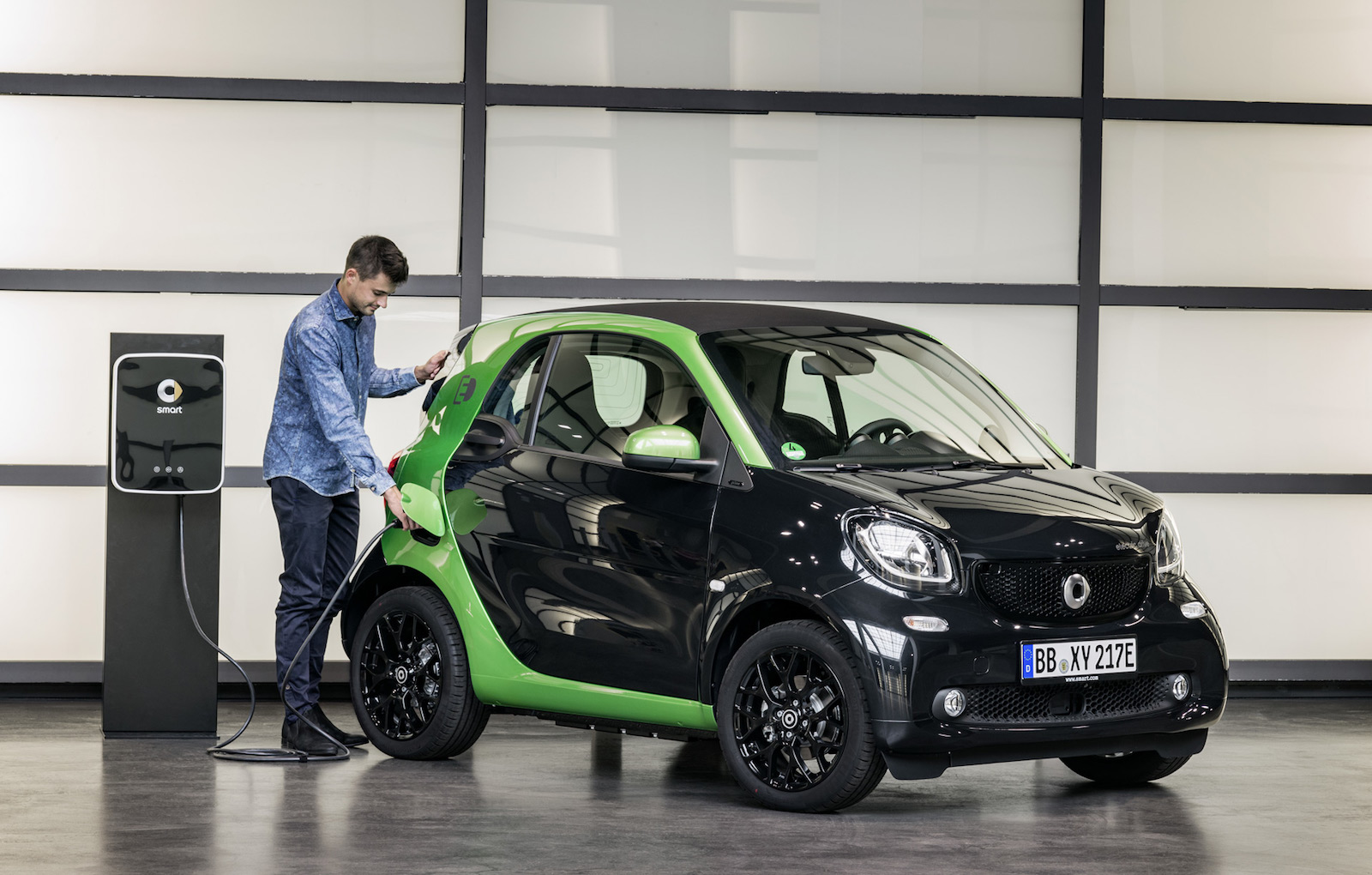
Charging electric vehicles at public stations is made simpler thanks to the new Plug & Charge method that Daimler is developing jointly with Hubject.
Daimler is improving electric vehicle charging processes by simplifying the charging operations by removing the need to use a card or an app to plug the car into the grid.
In collaboration with Hubject, an e-mobility specialist, Daimler is developing a solution that allows access to charging stations via a digital Plug & Play certificate through the international ISO 15118 standard. Based on the electric versions of the smart fortwo/forfour, Daimler has developed a pilot model with this Plug & Charge technology, which allows the electric car’s batteries to be charged simply by plugging in the car, without any administrative payment procedures using a card or a mobile app, which saves users wasted time in the charging process through identification actions that can sometimes be quite complex.
Both credit cards and the apps on smart mobile devices frequently receive numerous complaints about how complicated their functions are to operate, especially payment apps, given the complexity many of them involve in guaranteeing their security.
The Plug & Charge system simplifies the charging process by completely eliminating the use of cards or mobile devices when charging the batteries, since it creates its own ecosystem that requires no other means of access to it, while also offering far greater security thanks to the new encryption and signing mechanisms it integrates.
Through V2I technology (direct data transmission between the vehicle and the infrastructure), the car “talks” directly to the charging station, transmitting the data needed to authorise the user’s access with full security at the moment the driver plugs the vehicle into the system for charging. Once access is verified, the charging process starts automatically and payment for the service is made without any further intervention. Plug & Charge is also available at all times, even when the infrastructure or the customer is offline, since all that is needed is to connect the charging cable to the car for the data to be verified.


 Peugeot E-208 GTi: a battery-powered toy that revives the spirit of the 1980s sports cars
 New Lexus ES: luxury grows and goes electric
 First contact with the Dacia Sandero Hybrid 155: power and efficiency from €19,890
Deja un comentario