Faced with the imminent arrival of a storm... is it better to give up travelling?
 Victor Alós Yus @sepelaci
18 February 2017
3 min.
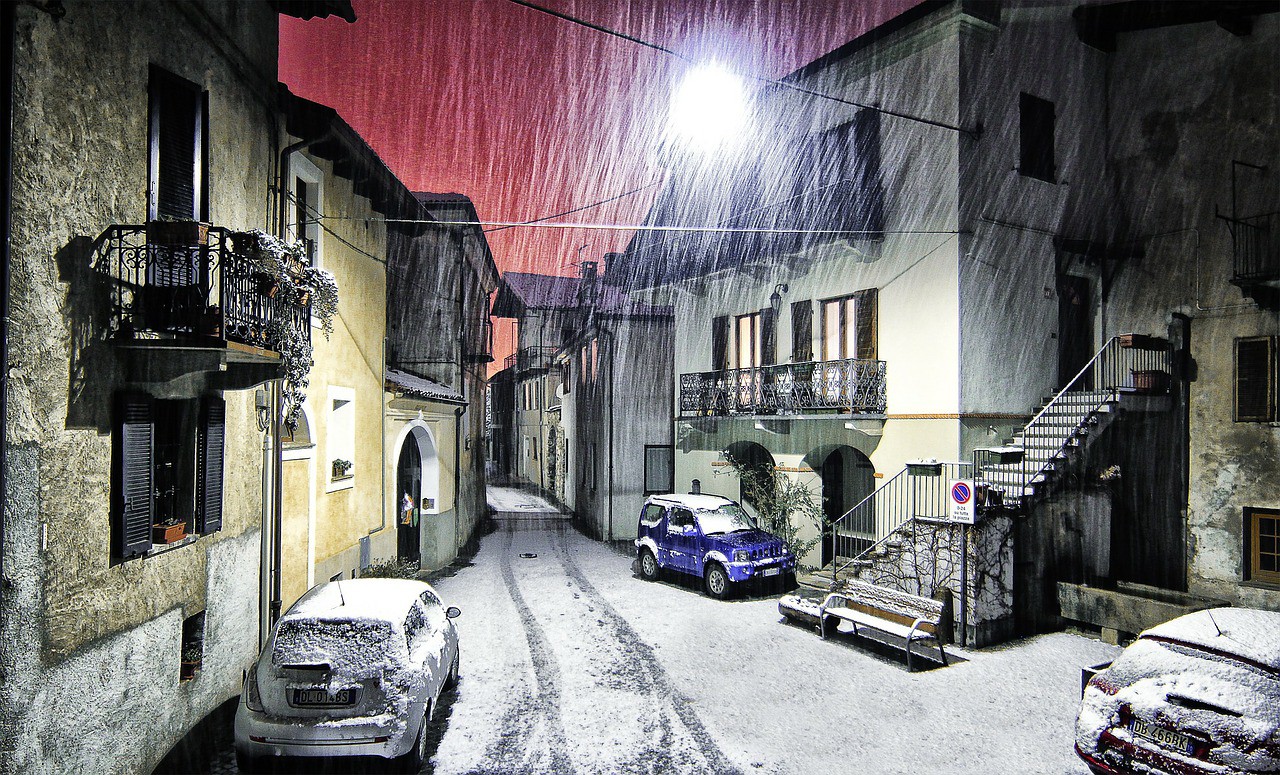
Although it seems that the worst of winter is already behind us and we have the longed-for spring ahead of us, the weather can still give us a good scare. You know that well-known saying: “Until the fortieth of May, don’t take off your cloak”, a proverb that reminds us that the weather remains unstable and any day we may wake up to the threat of a serious storm or a snowfall. And in that situation… should we go ahead with the plans for that planned trip?
The presence of clouds should not frighten us. With the engine fluid levels correctly checked and the right tyre pressure, there is normally no problem. But those clouds may hide a tremendous storm, whether of rain, hail or snow. That is when you should consider whether it is necessary to make that journey or whether it is better not to and leave it for a more suitable occasion.
If the risk is very high, it is better not to make that journey and put safety above any other consideration. It is better to delay the trip by a day or two than to get stuck on the road or even suffer an accident or any kind of mishap. If you do decide to travel, consider whether you are equipped to drive on icy, wet or snowy surfaces. The use of snow chains may be necessary on several mountain passes, so you need to be prepared for them.
If you have winter tyres, which are identified by the three-peak mountain symbol and the snowflake symbol, chains are not necessary, as they are designed for driving in those harsh conditions. It is not common for Spanish drivers to use this type of tyre, but it is better to make sure you have everything you need to drive safely in the snow.
If we have spent the night somewhere it has snowed and need to set off, remember to remove the snow as thoroughly as possible. For the windscreen and headlights, the aim is always to achieve the greatest possible visibility, and this is only achieved by removing the snow or the sheet of ice that may be there. Obviously, with the heat of the engine and the friction of the air, the sheets will eventually come loose, but it is better not to set off until everything offers the greatest possible visibility.
If there are remnants of snow on the bonnet, for example, the speed will cause those drops to end up hitting the windscreen and cause a loss of visibility, which is by no means advisable. The snow on the roof is another risk factor, although in this case not for us but for the vehicles driving behind, since when it falls off it can strike their windscreen and create the risk of an accident.
If, despite the bad weather, you still plan to make that journey, remember that even with chains or winter tyres fitted, a road covered in ice or snow is treacherous and can give you a serious fright. You must drive much more slowly than you normally would and, above all, take extra care. Above all, you must drive very carefully and avoid sudden manoeuvres.
There are ways to stop condensation from clouding the windows, so keep this in mind too. Lowering the windows slightly to renew the air and prevent that annoying condensation can be a very good idea, even if a little cold air gets in from outside. Do not let your guard down just because spring is ahead of you, and remember that in the event of a storm of rain or snow, you must always take extra precautions to avoid scares, accidents and complications on the journey. And if you can avoid driving in such adverse conditions, it is better to do so.
Photos | Pixabay


 The seven finalists for the 2027 European Car of the Year (COTY) are exclusively electric
 Peugeot E-208 GTi: a battery-powered toy that revives the spirit of the 1980s sports cars
 New Lexus ES: luxury grows and goes electric
Deja un comentario