Ateca Atto 3 BYD EV5 Hyundai KIA Kona SEAT T-Roc Volkswagen Electric Cars Buying Guides SUV
How to Calculate the Real Maintenance Cost Difference Between an Electric SUV and a Combustion Engine SUV in 2026
 Iván Navarro
28 November 2026
6 min.
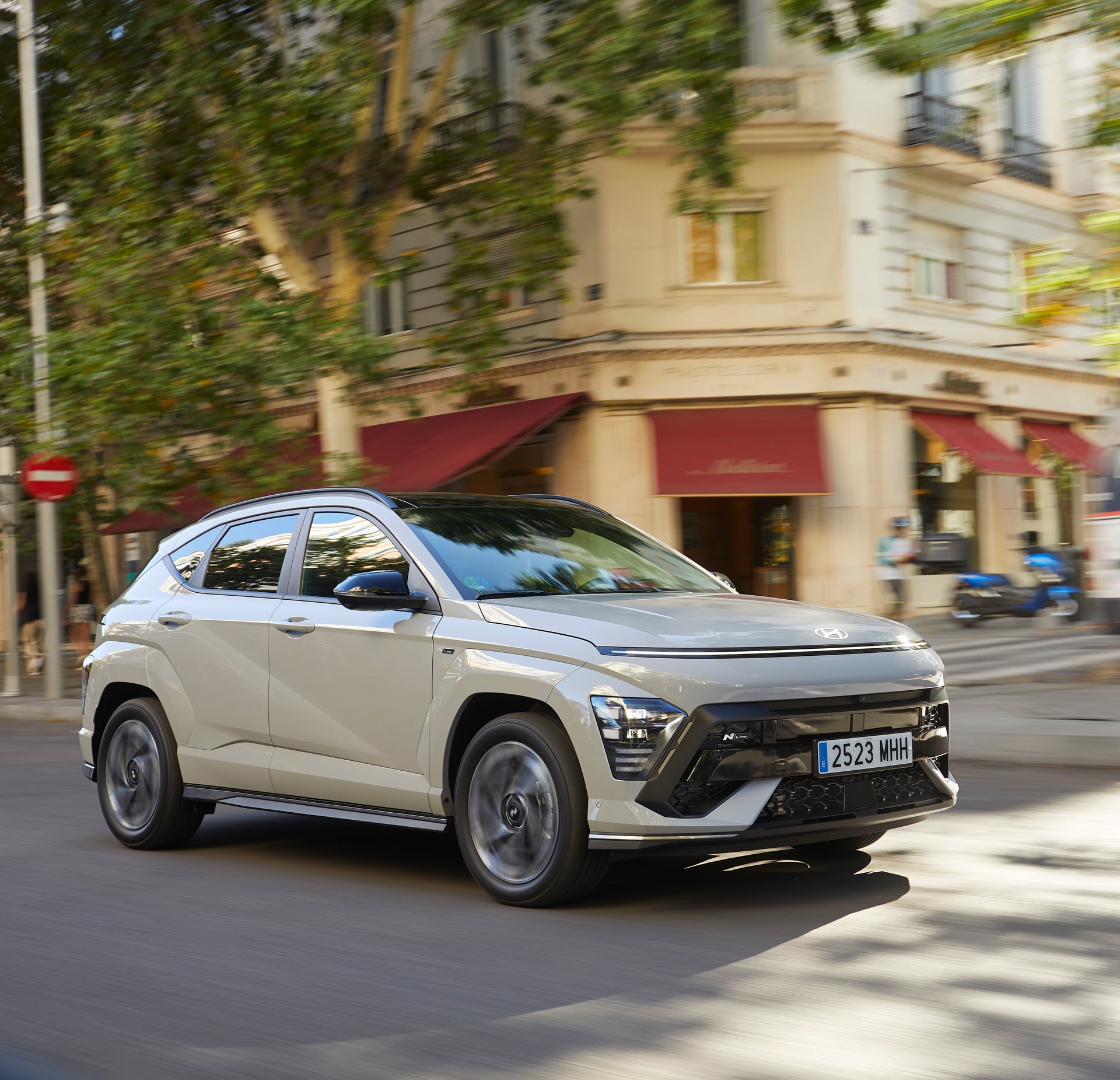
A replicable methodology in €/km over 5 years and 100,000 km to compare the real maintenance cost between electric and combustion SUVs in Spain. Includes examples with Kia EV5, Hyundai Kona Electric, BYD Atto 3, Volkswagen T-Roc and Seat Ateca.
The maintenance cost of an electric SUV versus a combustion one has become the question that circulates most in dealerships and forums, and yet almost nobody answers it with a clear method. People tend to compare the bill for an oil change with “nothing to do” on an electric car, and that is where the analysis ends. It lacks rigour. Above all, it lacks a formula that can be replicated with any pair of models.
What we mean by real maintenance cost in an SUV (and what the commercial spec sheet leaves out)
The technical data sheet says nothing about brake pads worn out at 40,000 km, nor about tyre wear caused by the instant torque of an electric motor. Nor about the difference in insurance premium between a 204 CV electric SUV and a 150 CV petrol one. The real maintenance cost is the sum of everything the manufacturer does not put in the brochure: scheduled servicing, brakes, tyres, insurance, ITV and, in the case of the electric car, the unknown of the battery in the long term.
The formula: euros per kilometre over 5 years and 100,000 km
The methodology we propose is simple but requires discipline so that no items are left out:
€/km = (Servicing + Brakes + Tyres + Accumulated insurance + ITV + Battery depreciation if applicable) / 100,000 km
A horizon of five years and 100,000 kilometres is taken because it is the usual cycle for renting and for first owners in Spain. Below that mileage the differences barely show; above it, the electric car starts to gain an advantage consistently.
The items that make the difference between electric and combustion
Servicing and workshop labour
A combustion SUV goes to the workshop every 15,000-20,000 km for oil and filter changes and, in some cases, timing belt. An electric car eliminates much of that work: there is no engine oil, no clutch and no belt. The average difference is around 350 to 500 euros less per year in labour for the electric car.
Brakes: the electric car’s great saving
Here is one of the most underestimated items. Regenerative braking means an electric car’s pads can last two or three times as long as those of an equivalent combustion model. In intensive urban use, this means saving a full set of pads and discs over the 100,000 km.
Tyres: the small print nobody counts
And here the electric car gives back part of what it gained. The extra weight of the battery and the instant torque wear down the tread sooner, especially on the front axle. It is not unusual for an electric SUV to need an additional set of tyres compared with its combustion equivalent over the same mileage, and tyres specific to electric vehicles (reinforced load rating, low rolling resistance) cost between 15% and 25% more.
High-voltage battery: the cost that does not appear but weighs
Most manufacturers guarantee the battery for 8 years or 160,000 km with a maximum capacity degradation of 70-75%. Within the 100,000 km horizon analysed, the replacement cost should not materialise, but it is advisable to include a conservative depreciation item if the user plans to keep the car beyond the warranty.
Insurance and taxation
Insurers still penalise electric cars slightly due to the cost of repairing power electronics, although the difference has fallen notably in 2026. In parallel, the electric car benefits from a reduced or exempt IVTM in most municipalities and, if the purchase qualifies for the Plan Auto+, from an upfront discount that should not be confused with maintenance but does enter the overall TCO.
ITV and mandatory inspections
The inspection fee is identical, but the electric car usually passes inspection with fewer issues related to emissions and exhaust, simply because those components do not exist.
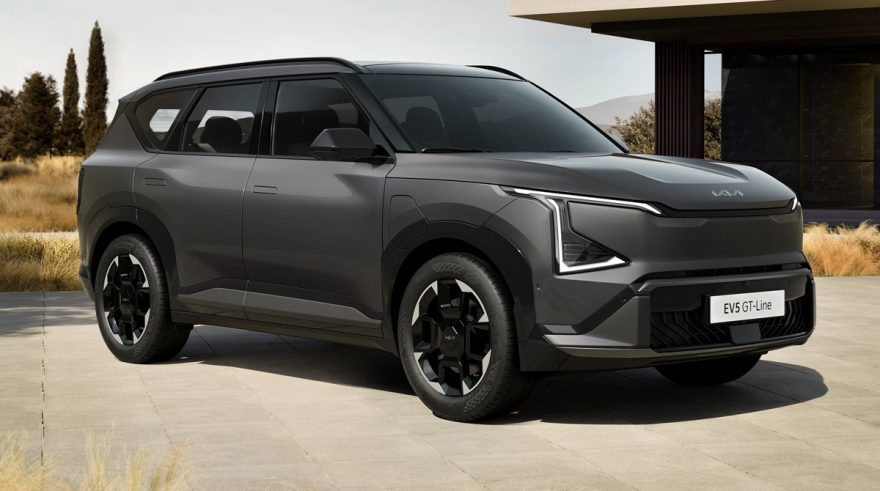
Practical case: Kia EV5 from 35,400 € versus Volkswagen T-Roc from 30,435 €
| Model | Power | Range/Consumption | Label | |
|---|---|---|---|---|
| Kia EV5 | 160 kW / 217 CV | 530 km / 16.9 kWh/100km | CERO | Electric |
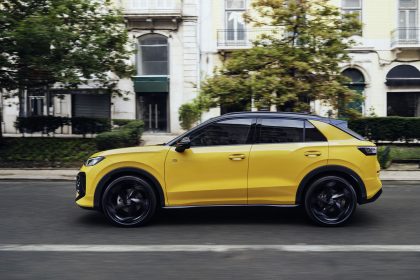
| Volkswagen T-Roc 1.5 eTSI | 110 kW / 150 CV | 5.5 l/100km | ECO | Petrol (MHEV) |
Applying the formula over five years, the Kia EV5 comes to around 0.061 €/km of pure maintenance (excluding fuel/energy), compared with 0.079 €/km for the T-Roc. The difference is not spectacular, but it is noticeable: about 1,800 euros in favour of the electric car over 100,000 km, mainly due to brakes and servicing.
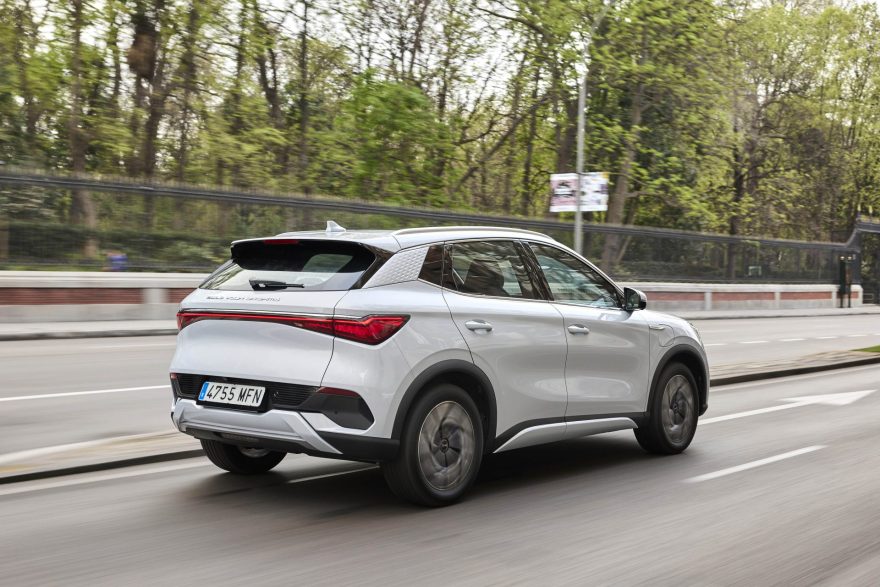
Expanding the sample: Hyundai Kona Electric, BYD Atto 3 and Seat Ateca
| Model | Power | Range/Consumption | Label | |
|---|---|---|---|---|
| Hyundai Kona Electric | 150 kW / 204 CV | 510 km / 14.7 kWh/100km | CERO | Electric |
| BYD Atto 3 | 150 kW / 204 CV | 420 km / 16.0 kWh/100km | CERO | Electric |
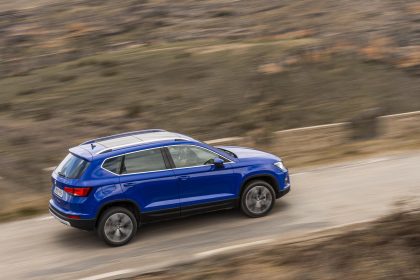
| Seat Ateca 1.5 TSI | 110 kW / 150 CV | 6.2 l/100km | C | Petrol |
The pattern repeats across all three: less brakes, less servicing, somewhat more tyres. The Hyundai Kona Electric, the most affordable of the electric trio (from 29,840 € with discounts), offsets its lower power with a remarkable efficiency that speeds up the amortisation of the extra tyre maintenance.
Summary table: cost per kilometre of the five models analysed
| Model | Price from | €/km maintenance (5 years/100,000 km) | TCO score (1-10) |
|---|---|---|---|
| Kia EV5 | 35,400 € | 0.061 € | 8 |
| Hyundai Kona Electric | 29,840 € | 0.058 € | 8.5 |
| BYD Atto 3 | 38,990 € | 0.065 € | 7.5 |
| Volkswagen T-Roc | 30,435 € | 0.079 € | 6 |
| Seat Ateca | 26,937 € | 0.081 € | 5.5 |
What the calculation says when done properly (and what still does not pay off)
The electric car wins on pure maintenance, that is clear from the numbers. But the advantage dilutes if annual mileage is low, because then the items where it saves most (brakes, servicing) barely come into play and the higher upfront purchase price weighs more than the accumulated saving. For a driver covering more than 15,000 km a year the sum works out, and comfortably so; for an urban driver doing 8,000 km, it is also worth looking at resale value before deciding, because there the combustion car has not yet lost the match. Anyone seeking a middle ground without assuming the extremes of this comparison can also review how a SUV with an ECO label performs in the same calculation.
Frequently asked questions
How much does an electric SUV really save per year on maintenance?
Between 300 and 450 euros a year on average compared with an equivalent combustion model, mainly due to brakes and servicing, although the saving shrinks if the car is driven little.
Are tyres for an electric SUV more expensive?
Yes, between 15% and 25% more per unit, and they can also wear out sooner due to the weight and torque of the electric motor.
Should the battery cost be included in the calculation at 100,000 km?
Not directly if the car is under warranty, which usually covers 8 years or 160,000 km with a guaranteed maximum degradation.
Does insurance significantly affect the comparison?
Somewhat, but less and less. The premium difference between electric and combustion has fallen in 2026 and is no longer a decisive factor in the overall calculation.
Technical specifications of the cars in this article


 Kia offers an electric range of 10 models, 50 versions and 400 possible combinations
 The seven finalists for the 2027 European Car of the Year (COTY) are exclusively electric
 Peugeot E-208 GTi: a battery-powered toy that revives the spirit of the 1980s sports cars
Deja un comentario