BMW Compass Jeep KIA RAV4 Sorento Tiguan Toyota Volkswagen X3 Hybrid Cars Comparisons Family Buying Guides SUV
How to Choose a Family Plug-in Hybrid SUV in 2026: Real Electric Range, Boot Space and CERO Label
 Dani Montesinos
26 October 2026
7 min.
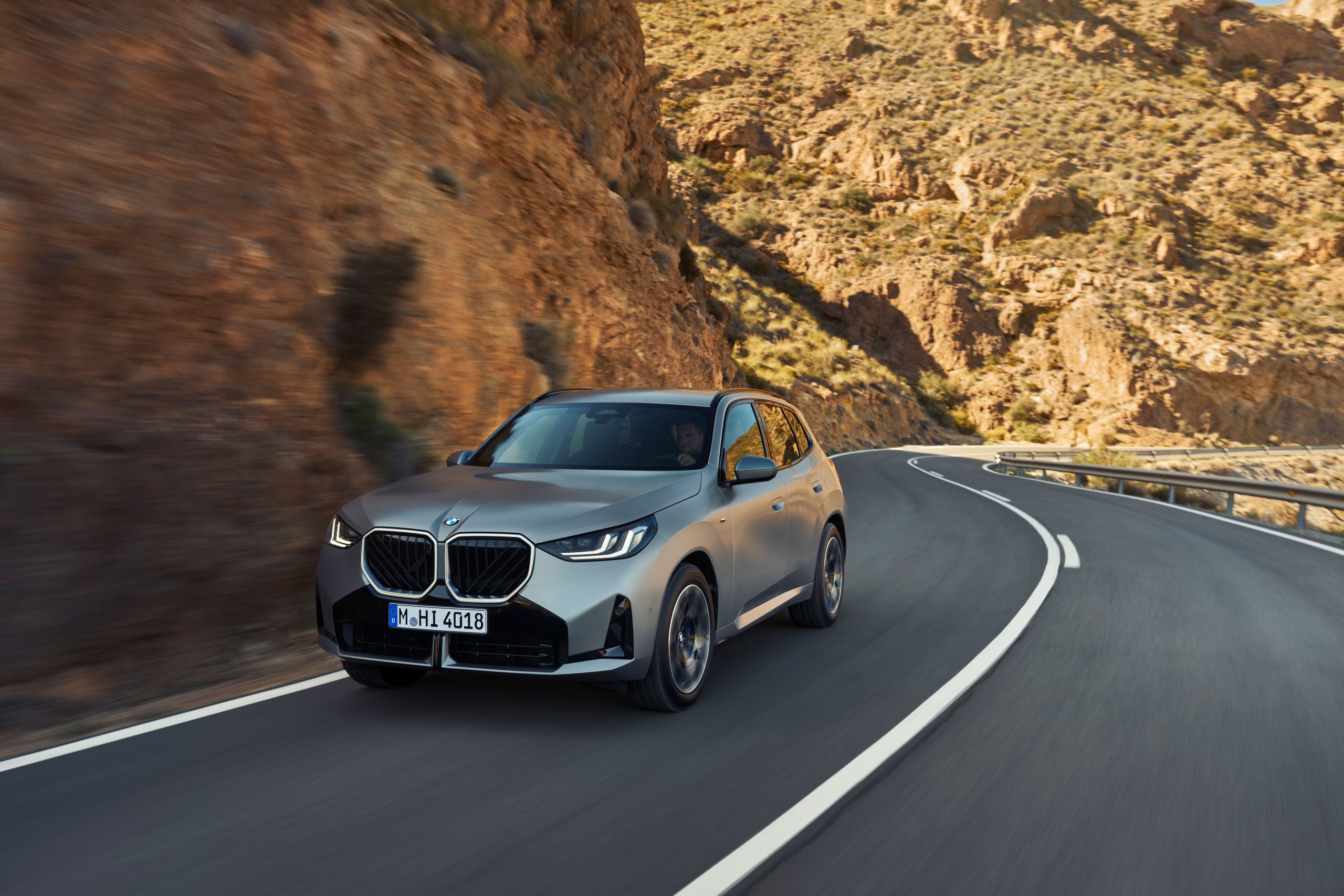
A guide to choosing the best family plug-in hybrid SUV of 2026 in Spain, with homologated electric range, boot litres and prices from per model
Choosing a family plug-in hybrid SUV in 2026 is no longer just about electric range. It is about how much boot space you lose by carrying a battery on board, whether that CERO label that dealerships love to sell actually holds up in day-to-day use, and whether the car charges quickly or forces you to plan the whole night around it. Spanish families looking at a PHEV today want something very specific: to drive in electric mode during the week, to refuel without queues on holiday, and not to give up room for four people’s luggage.
It is not a technological whim. In our view, it is the segment that best resolves the transition for anyone who does not yet trust fully electric cars but wants to stop depending on diesel.
What a family PHEV SUV must deliver in 2026
Three filters, and none of them is negotiable. First, a homologated electric range of at least 40 km, the threshold the DGT requires for the CERO label. Second, a boot that does not fall below 450 real litres, because a family of four with weekend luggage needs that volume. Third, AC charging power of at least 3.7 kW, so the car is ready every morning from a domestic socket or a basic wallbox.
There is a fourth criterion that many overlook: seats. Not every family PHEV offers seven seats, and those that do usually sacrifice some battery or usable boot space when the third row is in use.
Real electric range: what WLTP says and what happens on the road
The homologated WLTP figure is the starting point, not the absolute truth. In practice, with cold weather, motorway driving or air conditioning at full blast, the real electric range drops by between 15% and 30% compared with the paper figure. A PHEV that promises 90 electric km may end up at 65 km of everyday use in winter. That does not disqualify it, since it remains sufficient for most daily urban journeys, but it is wise not to buy based on laboratory figures.
Boot and family space: the hidden price of the battery
Here is the trap that is least often discussed. Fitting a 15-20 kWh battery under the boot floor usually costs between 100 and 160 litres compared with the petrol or diesel version of the same model. A plug-in SUV with a genuinely large boot is the exception, not the rule, and it is worth comparing the PHEV figure against the combustion one before signing.
CERO label: what it provides and what not to expect from it
The CERO label gives unrestricted access to the low-emission zones of Madrid and Barcelona, free parking in much of the municipalities with specific regulation, and at times VAO lanes. That said, it is not synonymous with automatic aid: purchase subsidies, where they exist, depend on the Plan Auto+ in force at each moment, and it is advisable to check the official website for the updated amount before making definitive calculations.
2026 shortlist: the best family plug-in hybrid SUVs by profile
Urban and balanced profile: Volkswagen Tiguan eHybrid, from 53,565 €
The Tiguan eHybrid is, in my view, the most resolved of the group if what you want is a car that works just as well during the week as on the occasional getaway. Generous electric range, a solid finish, nothing that disappoints.
| Power | EV range | Consumption | Label | Fuel |
|---|---|---|---|---|
| 130 kW / 177 CV | 119 km | 1.6 l/100 km | CERO | PHEV |
Long-distance traveller profile: Toyota RAV4 PHEV, from 46,750 €
Toyota has spent years refining its hybrid system, and the RAV4 PHEV proves it: combined power of 272 CV, all-wheel drive and an electric range that holds up well over distance. It is especially worthwhile if you make long trips and want to return to electric mode as soon as you cross the city of destination.
| Power | EV range | Consumption | Label | Fuel |
|---|---|---|---|---|
| 200 kW / 272 CV | 75 km | 1.1 l/100 km | CERO | PHEV |
Large family, 7 seats: Kia Sorento PHEV, from 58,230 €
It is one of the few family PHEV SUVs in Spain with a genuine third row. The boot drops to 175 litres with all seven seats in use, something anyone looking for a seven-seat family SUV in 2026 must accept from the outset, but it rises to 608 litres if we fold the third row down.
| Power | EV range | Consumption | Label | Fuel |
|---|---|---|---|---|
| 186 kW / 253 CV | 57 km | 1.4 l/100 km | CERO | PHEV |
French compact-family with a good balance: Peugeot 3008 Hybrid4, from 36,305 €
The 3008 Hybrid4 offers 225 CV combined and all-wheel drive, with an interior that, to my taste, remains among the most accomplished in the segment when it comes to screens and ergonomics.
| Power | EV range | Consumption | Label | Fuel |
|---|---|---|---|---|
| 165 kW / 225 CV | 90 km | 2.4 l/100 km | CERO | PHEV |
Crossover with an adventurous streak: Jeep Compass 4xe, from 46,600 €
The most affordable on the list. It does not stand out for electric range or boot space, but it makes up for this with standard all-wheel drive and an off-road character that no rival in this shortlist offers as standard.
| Power | EV range | Consumption | Label | Fuel |
|---|---|---|---|---|
| 165 kW / 225 CV | 94 km | 2.0 l/100 km | CERO | PHEV |
Premium with a focus on safety: Volvo XC60, from 67,950 €
Volvo remains the reference for active safety, and its T6 adds 357 CV combined without losing the sobriety that characterises the Swedish brand.
| Power | EV range | Consumption | Label | Fuel |
|---|---|---|---|---|
| 262 kW / 357 CV | 200 km | 1.0 l/100 km | CERO | PHEV |
Premium with a dynamic vocation: BMW X3 30e xDrive, from 68,800 €
If what you want is for the PHEV to also be enjoyable on the road, the X3 xDrive30e is, on paper, the most complete of the premium range: 299 CV, good electric response and a chassis that does not feel penalised by the extra weight of the battery.
| Power | EV range | Consumption | Label | Fuel |
|---|---|---|---|---|
| 220 kW / 299 CV | 90 km | 2.8 l/100 km | CERO | PHEV |
Final comparison: the 7 family plug-in hybrid SUVs of 2026
| Model | Price from | EV range | Boot | Score |
|---|---|---|---|---|
| Volkswagen Tiguan eHybrid | 53,565 € | 119 km | 490 l | 8.7 |
| Toyota RAV4 PHEV | 46,750 € | 75 km | 490 l | 8.5 |
| Kia Sorento PHEV | 58,230 € | 57 km | 175-608 l | 8.0 |
| Peugeot 3008 Hybrid4 | 36,305 € | 90 km | 520 l | 8.3 |
| Jeep Compass 4xe | 46,600 € | 94 km | 420 l | 7.4 |
| Volvo XC60 | 67,950 € | 85 km | 468 l | 8.8 |
| BMW X3 xDrive30e | 68,800 € | 90 km | 450 l | 8.9 |
Those looking for something more restrained in price may also check the ranking of plug-in hybrid SUVs with the greatest real electric range under 70,000 euros, where several of these options appear alongside somewhat cheaper alternatives.
Frequently asked questions
What electric range does a PHEV SUV need to qualify for the CERO label in Spain?
At least 40 km of homologated WLTP electric range. Every model in this guide exceeds it, with figures ranging from 50 to 100 km depending on the manufacturer.
How much boot space does a plug-in hybrid SUV lose compared with its petrol version?
Between 100 and 160 litres on average, due to the space occupied by the battery under the boot floor. Always compare the PHEV figure, not the model’s general catalogue figure.
Is a family PHEV SUV worthwhile if I don’t have a wallbox at home?
It is debatable whether it fully pays off: with a 2.3 kW domestic socket a full charge can take 6-8 hours, feasible overnight but less convenient if you make several electric journeys a day.
Which family PHEV SUV offers the best balance of electric range and boot space in 2026?
The Volkswagen Tiguan eHybrid and the BMW X3 xDrive30e stand out for combining an electric range above 90 km with a boot that barely suffers compared with their combustion versions.
Technical specifications of the cars in this article


 Kia offers an electric range of 10 models, 50 versions and 400 possible combinations
 The seven finalists for the 2027 European Car of the Year (COTY) are exclusively electric
 Peugeot E-208 GTi: a battery-powered toy that revives the spirit of the 1980s sports cars
Deja un comentario