Audi e-tron EX30 Genesis GV60 Model Y Q4 Tesla Volvo Electric Cars Comparisons Buying Guides SUV
How to Choose a Premium Electric Compact SUV in 2026: Tech Equipment, Real-World Range and Cost of Ownership
 Dani Montesinos
27 October 2026
6 min.
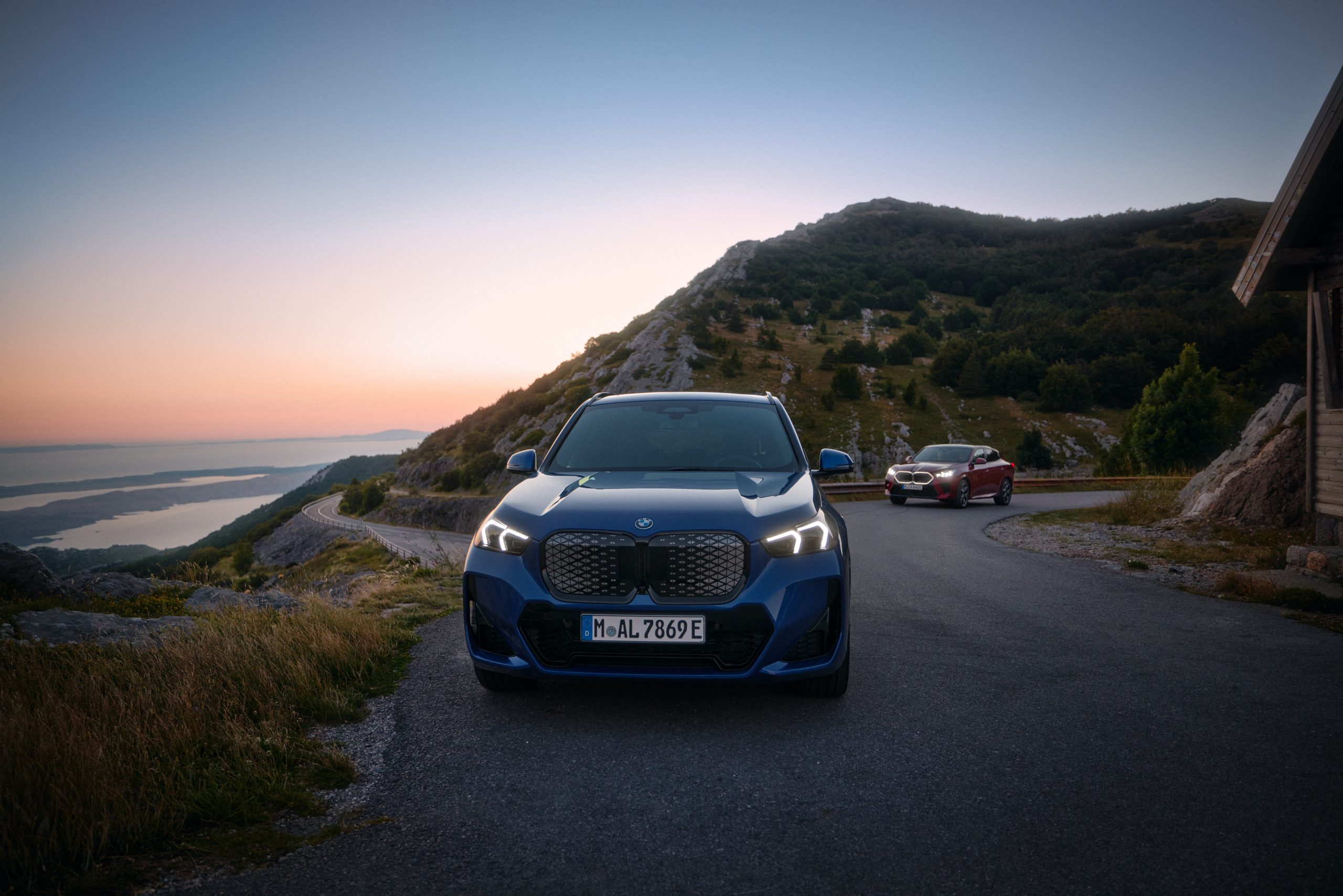
Comparative guide to the premium electric compact SUVs available in Spain: equipment, real-world range versus WLTP and four-year cost of ownership
Choosing a premium electric compact SUV in 2026 is no longer just about looking at the range figure on the brochure. It’s about understanding what lies behind it: electrical architecture, software, ADAS that actually work on Spanish roads, and a cost of ownership that can vary by several thousand euros between one model and another over four years. The segment has filled up with serious options — German, Swedish, American and Korean — and the decision is no longer trivial.
What defines a premium electric compact SUV in 2026
The badge on the bonnet is not enough. A premium electric compact SUV in 2026 must combine three things: a modern electric platform, a software ecosystem that won’t be obsolete in two years, and material quality that justifies the price gap over a mainstream electric car. Some models meet two of the three criteria and falter on the third. We’ll look at them one by one.
Tech equipment: OTA, 800V architecture and ADAS
This is where the real frontier of the premium segment lies. OTA (over-the-air) updates are no longer an extra: they determine whether your car improves over time or stays frozen on the day you take delivery. Tesla remains the reference here — for years it has been updating entire features through software, something we analysed in depth in our review of the Tesla Model Y.
The 800-volt architecture, for its part, is what enables genuinely ultra-fast charging at high-power charging stations. The Genesis GV60 and the BMW iX1 (on a more recent platform) operate in that territory, while the Mercedes EQA and the Audi Q4 e-tron remain on 400V architectures — sufficient, but less impressive when charging. In terms of ADAS, advanced level 2 is now standard across the premium range, but execution varies: some systems intervene abruptly at Spanish roundabouts, others are almost imperceptible. In my view, that’s where a brand’s maturity shows more than the spec sheet does.
Real-world range versus the WLTP homologated figure
The WLTP figure is useful for comparison, not for planning a journey. In practice, the real-world range of these premium electric compact SUVs falls between 15% and 25% below the official cycle, depending on temperature, motorway speed and climate control use. A model rated at 480 km can drop to 370–390 real km in winter at 120 km/h. It’s the nuance that most confuses buyers who only compare brochures, and it’s also why this guide prioritises real-use data over laboratory data.
The models competing for the crown in Spain
BMW iX1 eDrive20 — from 50,550 €
Rear-wheel drive, well-resolved suspension and an interior that conveys classic German solidity. It’s not the most powerful in the group, but it’s one of those that best converts homologated range into real-world range.
| Power (kW) | Power (CV) | Range (km) | Consumption (kWh/100km) | Label | Fuel |
|---|---|---|---|---|---|
| 150 | 204 | 516 | 14.2 kWh/100 km | CERO | Electric |
Audi Q4 e-tron 35 — from 49,970 €
We compare it with the Volvo EX40 in a head-to-head duel and the conclusion holds: the Audi wins on infotainment ergonomics, but loses some ground on real-world range to its Swedish rival.
| Power (kW) | Power (CV) | Range (km) | Consumption (kWh/100km) | Label | Fuel |
|---|---|---|---|---|---|
| 150 | 204 | 440 | 16.4 kWh/100 km | CERO | Electric |
Volvo EX30 Single Motor Extended Range — from 41,790 €
Along with the Tesla Model Y, it is the most affordable in the group and, on paper, offers the best power-to-range ratio. It isn’t the panacea either: its boot is tighter than the rest.
| Power (kW) | Power (CV) | Range (km) | Consumption (kWh/100km) | Label | Fuel |
|---|---|---|---|---|---|
| 200 | 272 | 635 | 17.0 kWh/100 km | CERO | Electric |
Tesla Model Y — from 40,990 €
It continues to set the pace in software, charging and real-world efficiency. It’s debatable whether the minimalist interior will win over someone looking for a more “classic premium” experience, but in range per euro invested it’s hard to beat.
| Power (kW) | Power (CV) | Range (km) | Consumption (kWh/100km) | Label | Fuel |
|---|---|---|---|---|---|
| 188 | 256 | 603 | 14.2 kWh/100 km | CERO | Electric |
Genesis GV60 Standard RWD — from 55,900 €
The Korean contender. Genuine 800V architecture, very fast charging and an interior that, in my view, outdoes several German rivals in detail. The price is its biggest obstacle.
| Power (kW) | Power (CV) | Range (km) | Consumption (kWh/100km) | Label | Fuel |
|---|---|---|---|---|---|
| 168 | 229 | 561 | 16.7 kWh/100 km | CERO | Electric |
Four-year cost of ownership: what the brochure doesn’t tell you
This is where insurance, depreciation, maintenance and the electricity bill come into play. A Tesla Model Y, thanks to its own charging network and lower real-world consumption, tends to work out cheaper per kilometre than an equivalently powerful Mercedes EQA. The BMW iX1 and the Audi Q4 e-tron hold their resale value well — the brand carries weight — while the Genesis, despite its excellent proposition, still suffers somewhat steeper depreciation due to its limited commercial track record in Spain. The Plan Auto+ can reduce the upfront outlay on several of these models; it’s worth checking the current amount on the official website before closing the purchase, as it changes fairly often.
Summary table and score
| Model | Price from | Homologated range | Architecture | Score (1-10) |
|---|---|---|---|---|
| BMW iX1 | 50,550 € | 516 km | 400V | 8.0 |
| Audi Q4 e-tron | 49,970 € | 440 km | 400V | 7.6 |
| Volvo EX30 | 41,790 € | 635 km | 400V | 8.2 |
| Tesla Model Y | 40,990 € | 603 km | 400V | 8.8 |
| Genesis GV60 | 55,900 € | 561 km | 800V | 8.1 |
Verdict: which premium electric compact SUV to buy in Spain in 2026
If the criterion is total cost of ownership and real-world range per euro, the Tesla Model Y remains the benchmark. If you’re after the best price-technology balance, the Volvo EX30 is a surprise. And if what you want is genuinely ultra-fast charging, the Genesis GV60 justifies the premium, although its after-sales network in Spain is still smaller than the German one.
Frequently asked questions
Which is the best premium electric SUV in 2026 for value for money?
The Volvo EX30 stands out for its entry price and real-world range, although the Tesla Model Y beats it on cost per kilometre over the long term.
What gap is there between WLTP range and real-world range on these SUVs?
Between 15% and 25% less in motorway and winter conditions, depending on the model and driving style.
Is it worth paying more for an SUV with 800V architecture such as the Genesis GV60?
It depends on use: if you cover many motorway kilometres and use fast charging often, it is worth it; in urban use, the difference is less noticeable.
Which premium electric compact SUV has the best four-year cost of ownership in Spain?
The Tesla Model Y, thanks to its contained depreciation and lower real-world consumption, usually offers the lowest cost per kilometre in the group analysed.
Technical specifications of the cars in this article


 Kia offers an electric range of 10 models, 50 versions and 400 possible combinations
 The seven finalists for the 2027 European Car of the Year (COTY) are exclusively electric
 Peugeot E-208 GTi: a battery-powered toy that revives the spirit of the 1980s sports cars
Deja un comentario