EV6 Hyundai IONIQ Ioniq 5 KIA Megane Model 3 Renault Tesla Electric Cars Compact Comparisons Buying Guides
How to Choose an Electric Compact with Ultra-Fast Charging in 2026: DC Power, Real Charging Curve and Times on the Road
 Iván Navarro
4 September 2026
6 min.
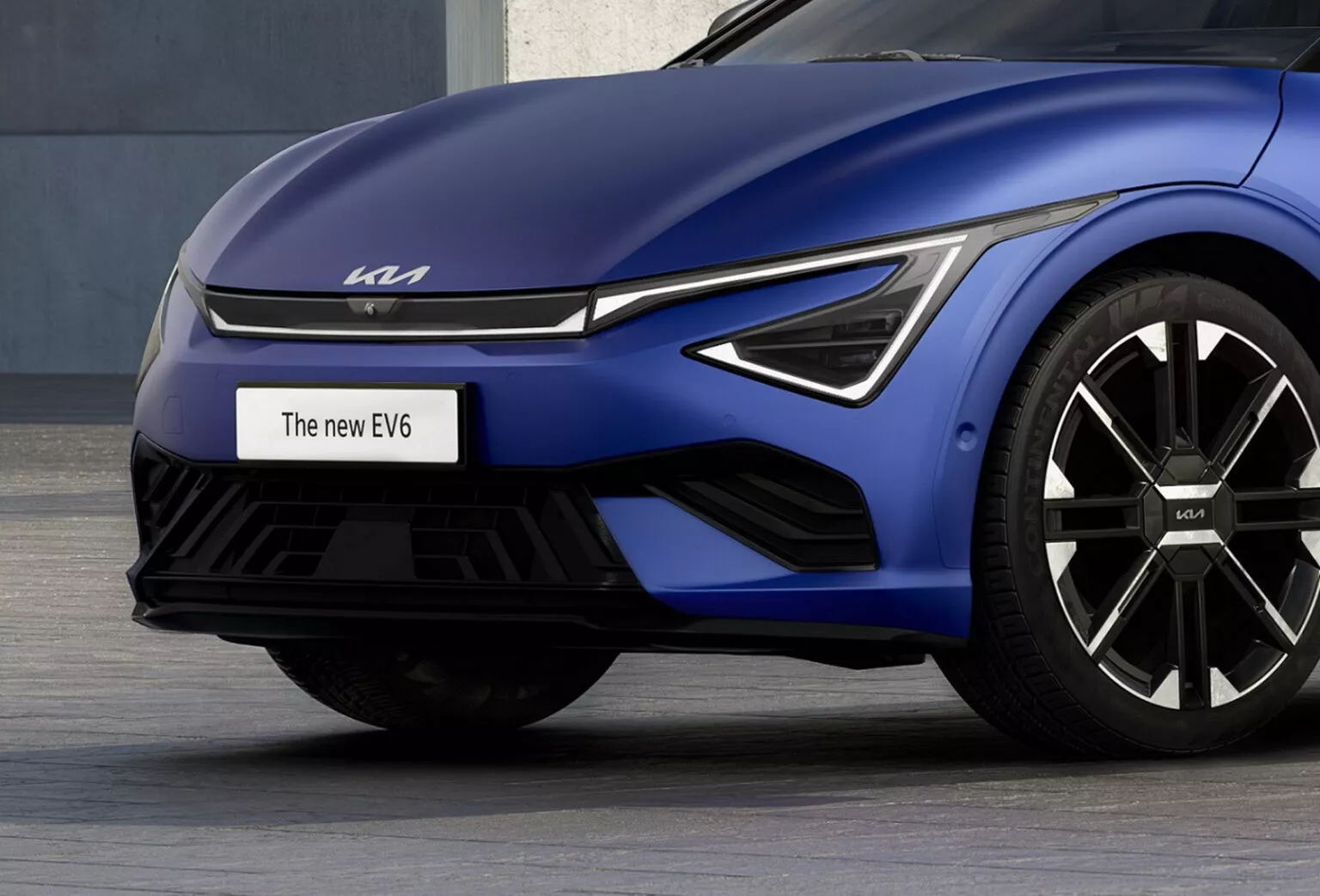
A practical guide to choosing an electric compact in 2026 with a focus on real ultra-fast charging: peak DC power, the 10–80% charging curve and actual times on a trip.
Choosing an electric compact with ultra-fast charging in 2026 is no longer about looking at the big number on the brochure and being satisfied. Peak DC power sells, yes, but what really decides a trip from Madrid to Málaga is how that curve behaves between 10 and 80%, how long the battery takes to precondition, and whether the car’s architecture is 400 or 800 volts. Everything else is fireworks.
A clarification before we get into the analysis: this guide deliberately leaves out BYD, not for lack of technical merit, but because the editorial purpose here is not to crown a single winner, but to match the best car to each type of buyer. Nor does Nissan make the cut: its pioneering role with the Leaf is unquestionable, but in our view its current offering does not reach the bar the new generation has set in range, charging speed, software and digital experience. Being first does not guarantee remaining the benchmark.
What “ultra-fast charging” really means in 2026
The label is used loosely. For the informed buyer, an electric compact with ultra-fast charging should in 2026 sustain at least 150 kW on average between 10 and 80%, not just touch 175 kW for thirty seconds for the promotional video. The difference between peak and sustained power can mean ten extra minutes per stop. And ten minutes, on a trip with two stops, is twenty.
Peak DC power vs sustained power: the brochure trap
Hyundai advertises 233 kW peak on the Ioniq 5. True. But what is interesting is that it sustains above 180 kW until close to 55% battery. That, on a 350 kW charger with the battery preconditioned, translates into a real 18-minute stop from 10 to 80%. Other models advertise 150 kW and in practice drop to 90 kW before reaching halfway. The peak figure, on its own, says nothing.
The 10–80% curve: where the trip is won or lost
This is where the serious contenders separate from the aspirants. A flat, high curve is gold. A curve that collapses at 50% forces you to stop sooner or wait longer. The Kia EV6, the technical twin of the Ioniq 5 on the 800V E-GMP architecture, keeps one of the flattest curves in the segment. The Tesla Model 3 does not reach those peaks, but its consistency and the V3/V4 Supercharger network more than compensate in real-world scenarios.
400V vs 800V architecture: why it matters (and when it matters less)
The 800V architecture allows higher power with less heat and fewer losses. The Ioniq 5 and the EV6 are the benchmarks among compacts. The 400V systems — the case of the Cupra Born, ID.3, Mégane E-Tech, e-308 and the Model 3 itself — are not out of the game, but they hit their ceiling sooner. For the user who charges at home every day and travels three or four times a year, the difference is almost anecdotal. For someone who drives long routes every fortnight, it is decisive.
Thermal preconditioning: the detail that changes everything
Arriving at a charger with the battery at 12 degrees is throwing your money away. Cars with intelligent preconditioning — activated when you set the destination in the navigation system — heat the battery while driving so as to request maximum power when you plug in. Tesla has had it perfected for years. Hyundai-Kia offer it well resolved. The Group at Volkswagen has improved, although it doesn’t quite convince me because of its lack of automation in some scenarios.
The contenders: seven electric compacts to choose from in 2026
Hyundai Ioniq 5 — from 44,020 €
The technical benchmark. 800V architecture, 233 kW DC peak, sustained curve and reliable preconditioning. From 10 to 80% in 18 minutes under optimal conditions. Spacious interior, pure electric platform. We already said it in the review of the Hyundai Ioniq 5: it remains a benchmark for a reason.
| Power kW | Power CV | Top speed | Range | Consumption | Label | Fuel |
|---|---|---|---|---|---|---|
| 168 kW | 228 CV | 185 km/h | 570 km | 16.7 kWh/100 km | ZERO | Electric |
Kia EV6 — from 36,860 €
The same technical DNA as the Ioniq 5, with a more dynamic approach. 800V, up to 263 kW peak. Firmer suspension tuning, more sporty styling. For those who prioritise driving over space.
| Power kW | Power CV | Top speed | Range | Consumption | Label | Fuel |
|---|---|---|---|---|---|---|
| 168 kW | 229 CV | 185 km/h | 582 km | 16.5 kWh/100 km | ZERO | Electric |
Tesla Model 3 — from 36,990 €
400V architecture, modest peak on paper (175 kW RWD / 250 kW Long Range), but an exemplary curve and a Supercharger ecosystem that remains the best argument in the market. The duel with the Kia EV4 made it clear: on a real trip, it is almost unbeatable.
| Power kW | Power CV | Top speed | Range | Consumption | Label | Fuel |
|---|---|---|---|---|---|---|
| 208 kW | 283 CV | 201 km/h | 572 km | 12.2 kWh/100 km | ZERO | Electric |
Renault Megane E-Tech — from 34,574 €
165 kW DC. Enough for mixed use, short for intensive travel. Very well developed in terms of interior and software.
| Power kW | Power CV | Top speed | Range | Consumption | Label | Fuel |
|---|---|---|---|---|---|---|
| 160 kW | 220 CV | 160 km/h | 501 km | 16.1 kWh/100 km | ZERO | Electric |
Peugeot e-308 — from 38,420 €
Driver-focused approach, shared STLA platform. 100 kW DC peak. Valid for those who travel little.
| Power kW | Power CV | Top speed | Range | Consumption | Label | Fuel |
|---|---|---|---|---|---|---|
| 115 kW | 156 CV | 170 km/h | 450 km | 14.4–15.0 kWh/100 km | ZERO | Electric |
Cupra Born — from 37,990 €
MEB platform, 185 kW DC in the large-battery version. A correct curve, without standing out. Sporty styling ahead of the mechanics.
| Power kW | Power CV | Top speed | Range | Consumption | Label | Fuel |
|---|---|---|---|---|---|---|
| 170 kW | 231 CV | 160 km/h | 625 km | 15.4 kWh/100 km | ZERO | Electric |
Volkswagen ID.3 — from 33,898 €
Pure MEB. 183 kW DC on the Pro S battery. Improved software, adjusted curve. Correct, with no surprises.
| Power kW | Power CV | Top speed | Range | Consumption | Label | Fuel |
|---|---|---|---|---|---|---|
| 150 kW | 204 CV | 160 km/h | 557 km | 15.1 kWh/100 km | ZERO | Electric |
Real trip: Madrid–Málaga, how long each one takes
A 540 km route with one mandatory stop. With the Ioniq 5, EV6 or Model 3 it is resolved with a stop of 18–22 minutes. With the Mégane, e-308 or Born, the stop stretches to 28–35 minutes because the curve collapses sooner or the peak is lower. In practical terms: on a six-hour trip, one group and the other differ by 15–20 real minutes.
Summary table and score
| Model | Architecture | DC peak | Range | Price from | Score |
|---|---|---|---|---|---|
| Hyundai Ioniq 5 | 800V | 233 kW | 570 km | 44,020 € | 9.3 |
| Kia EV6 | 800V | 263 kW | 582 km | 36,860 € | 9.2 |
| Tesla Model 3 | 400V | 175/250 kW** | 572 km | 36,990 € | 9.0 |
| Cupra Born | 400V | 185 kW | 625 km | 37,990 € | 7.6 |
| Volkswagen ID.3 | 400V | 183 kW | 557 km | 33,898 € | 7.5 |
| Renault Megane E-Tech | 400V | 165 kW | 501 km | 34,574 € | 7.0 |
| Peugeot e-308 | 400V | 100 kW | 450 km | 38,420 € | 6.4 |
Grants and real cost
The Plan Auto+ remains the reference framework for public purchase grants for electric vehicles in Spain. The current amounts and conditions should be checked on the official website before signing, because the fine print is updated and you should not base a 40,000-euro decision on outdated data.
FAQ
What matters more, peak DC power or sustained power?
Sustained power. A high peak lasting seconds does not compensate for a curve that collapses at 50%. Always look at the real average between 10 and 80%.
Is it worth paying more for an 800V car if I charge almost always at home?
For urban use and occasional trips, it is not worth it. For someone who travels every two weeks on the motorway, it makes a difference.
Does thermal preconditioning activate on its own?
It depends on the model. Tesla and Hyundai-Kia activate it automatically when you set a charging destination in the navigation system. Others require manual action, and that is where minutes are lost.
Which electric compact offers the best charging-to-price balance in 2026?
The Tesla Model 3 for network and curve, and the Hyundai Ioniq 5 for its 800V architecture and sustained power. Both justify their price on a real trip.
Technical specifications of the cars in this article
 Kia offers an electric range of 10 models, 50 versions and 400 possible combinations
 The seven finalists for the 2027 European Car of the Year (COTY) are exclusively electric
 Peugeot E-208 GTi: a battery-powered toy that revives the spirit of the 1980s sports cars
Deja un comentario