Dacia Duster KIA MG Stonic Toyota Yaris Yaris Cross ZS ECO Buying Guides SUV
How to Choose an Urban SUV for Under €25,000 in 2026: Emissions Label, Fuel Consumption and Recommended Minimum Equipment
 Iván Navarro
24 November 2026
6 min.
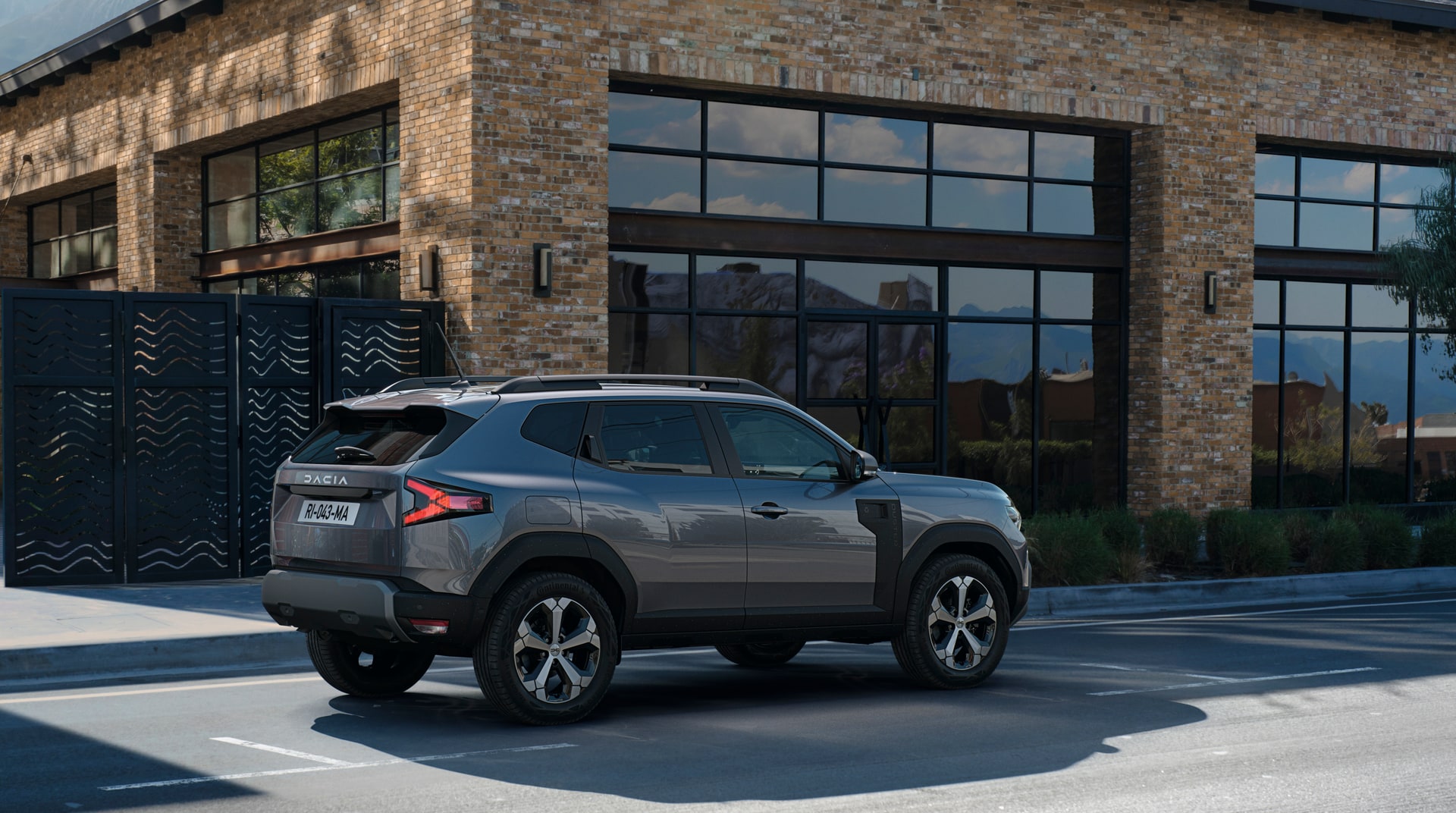
Buying an urban SUV for under €25,000 in 2026 is no longer a matter of choosing the one with the most ground clearance or the sturdiest bodywork. Cities have changed the rules: low-emission zones, labels that determine where you can park, and safety equipment that, since the full entry into force of the GSR2 regulation, is no longer optional. At that budget, the B-SUV segment today offers a wider and more efficient range than it did just three years ago. This guide cross-references three decisive criteria, label, real-world consumption and minimum equipment, with a shortlist of models you can buy today at any Spanish dealership.
What we mean by an urban SUV for under €25,000 in 2026
We are talking about B-SUVs: between 4.10 and 4.25 metres long, boots of 300 to 450 litres and engines designed for the city and short journeys, not for crossing half of Europe fully loaded. The €25,000 ceiling means looking at entry-level versions, not the top-of-the-range model with every extra. And this is where the usual trap appears: the list price advertised by the manufacturer rarely matches the car you actually want to drive home.
Why the DGT label matters more than ever when buying
With more than 160 low-emission zones active in Spain, the label is no longer a decorative sticker. It determines whether you can enter central Madrid on a restriction day or whether your insurance premium goes up depending on the municipality. The ECO label (hybrids and LPG) has become the desirable standard in the segment; the C label remains valid, but with more and more local restrictions.
Real-world versus homologated consumption: the small print nobody reads
The WLTP cycle is useful for comparison, not for budgeting. In the city, a light hybrid can come close to its advertised figures; an entry-level naturally aspirated petrol engine, much less so. The difference between 4.4 and 6.5 l/100 km looks small on a spec sheet, but multiplied by 15,000 km a year it amounts to a considerable fuel saving.
Recommended minimum equipment after the GSR2 regulation
Since July 2024, every new passenger car approved in the EU comes as standard with emergency braking, drowsiness warning, intelligent speed limiter and an incident event data recorder. That raises the safety floor, but not the rest: rear camera, front sensors and a screen with wireless Apple CarPlay/Android Auto still make real differences between versions priced from €19,000 to €24,000.
The 2026 shortlist: eight urban SUVs for under €25,000
Dacia Duster, from €18,900
The Duster remains the strongest argument in the low-cost segment: more size than most direct rivals and an LPG version that solves the label issue without resorting to hybridisation.
| Power | Consumption | Label | Fuel |
|---|---|---|---|
| 74 kW / 100 CV | 6.5 l/100 km (petrol) / 7.8 l/100 km (LPG) | ECO | Petrol/LPG |
Hyundai Bayon, from €19,500
The most compact in the list and one of the easiest to manoeuvre on narrow streets. Its interior finish feels a step below the Stonic, but the price makes up for it.
| Power | Consumption | Label | Fuel |
|---|---|---|---|
| 74 kW / 100 CV | 5.5 l/100 km | C | Petrol |
Kia Stonic, from €19,900
With its 48V mild hybrid powertrain it achieves an ECO label without a significant price increase, something we analysed in depth in our review of the Kia Stonic 2026.
| Power | Consumption | Label | Fuel |
|---|---|---|---|
| 74 kW / 100 CV | 5.3 l/100 km | ECO | Petrol (MHEV) |
Toyota Yaris Cross, from €23,500
The most expensive in the list, but also the one delivering the best real-world consumption in pure city driving. If your budget approaches the €25,000 limit, it is the option with the fewest surprises at the pump, as we cover in our review of the Yaris Cross.
| Power | Consumption | Label | Fuel |
|---|---|---|---|
| 85 kW / 116 CV | 4.4 l/100 km | ECO | Hybrid |
Renault Captur, from €24,900
Right at the budget limit in its entry-level E-Tech version. That said, its urban-cycle consumption makes up for the higher initial outlay.
| Power | Consumption | Label | Fuel |
|---|---|---|---|
| 105 kW / 145 CV | 4.6 l/100 km | ECO | Hybrid |
Peugeot 2008, from €21,500
The design with the most personality in its group, with the i-Cockpit as its signature feature. The mild hybrid version balances price and label without unbalancing the spec sheet.
| Power | Consumption | Label | Fuel |
|---|---|---|---|
| 100 kW / 136 CV | 4.9 l/100 km | ECO | Petrol (MHEV) |
MG ZS, from €17,990
The most aggressive price in the group, with a seven-year warranty that offsets the uncertainty about long-term residual value.
| Power | Consumption | Label | Fuel |
|---|---|---|---|
| 78 kW / 106 CV | 6.6 l/100 km | C | Petrol |
Omoda 5, from €23,900
The most recent proposal in the list and the one that most emphasises standard technology equipment, with dual screens and assistance systems that other rivals charge extra for.
| Power | Consumption | Label | Fuel |
|---|---|---|---|
| 108 kW / 145 CV | 7.0 l/100 km | C | Petrol |
Summary table: urban SUVs for under €25,000 in 2026
| Model | Price from | Label | Consumption | Score (1-10) |
|---|---|---|---|---|
| Dacia Duster | €18,900 | ECO | 6.5 l/100 km | 8.0 |
| Hyundai Bayon | €19,500 | C | 5.5 l/100 km | 7.2 |
| Kia Stonic | €19,900 | ECO | 5.3 l/100 km | 8.3 |
| Toyota Yaris Cross | €23,500 | ECO | 4.4 l/100 km | 8.8 |
| Renault Captur | €24,900 | ECO | 4.6 l/100 km | 8.5 |
| Peugeot 2008 | €21,500 | ECO | 4.9 l/100 km | 7.8 |
| MG ZS | €17,990 | C | 6.6 l/100 km | 7.0 |
| §7Peugeoth386§ | €23,900 | C | 7.0 l/100 km | 7.4 |
How to choose based on your real use
If you live in a low-emission zone and only drive in town, the Kia Stonic or the Toyota Yaris Cross justify their price with the ECO label. If budget is the overriding concern, the MG ZS and the Dacia Duster give you the most car per euro invested. And if you want standard equipment without fighting over every option in the configurator, the Omoda 5 is a pleasant surprise.
Public aid and final cost
Before signing, check whether the chosen model is eligible for the current Plan Auto+. Conditions change frequently, so the most reliable approach is to consult the official plan website for the updated amount before closing the deal.
Frequently asked questions
Which is the best urban SUV for under €25,000 in 2026?
There is no single winner: the Toyota Yaris Cross leads in real-world consumption and ECO label, but the Kia Stonic offers the best balance between price, equipment and efficiency.
Which urban SUV with an ECO label is cheapest in 2026?
The Kia Stonic mild hybrid and the Dacia Duster LPG are the most affordable ECO options below €20,000.
Is it worth paying more for a hybrid like the Renault Captur?
If your use is mostly urban, yes: consumption of 4.6 l/100 km reduces fuel spending enough to recover the price difference within a few years.
Are Chinese SUVs such as the MG ZS or Omoda 5 a reliable option in this segment?
Yes, with caveats: they offer very competitive pricing and equipment, but it is advisable to check the after-sales network in your area and the residual value, which is still an unknown compared with brands with a longer track record in Spain.
Technical specifications of the cars in this article

 Kia offers an electric range of 10 models, 50 versions and 400 possible combinations
 The seven finalists for the 2027 European Car of the Year (COTY) are exclusively electric
 Peugeot E-208 GTi: a battery-powered toy that revives the spirit of the 1980s sports cars
Deja un comentario