How to know when it's time to change your tyres? Tips and advice
 Óscar Sanz
31 May 2023
5 min.
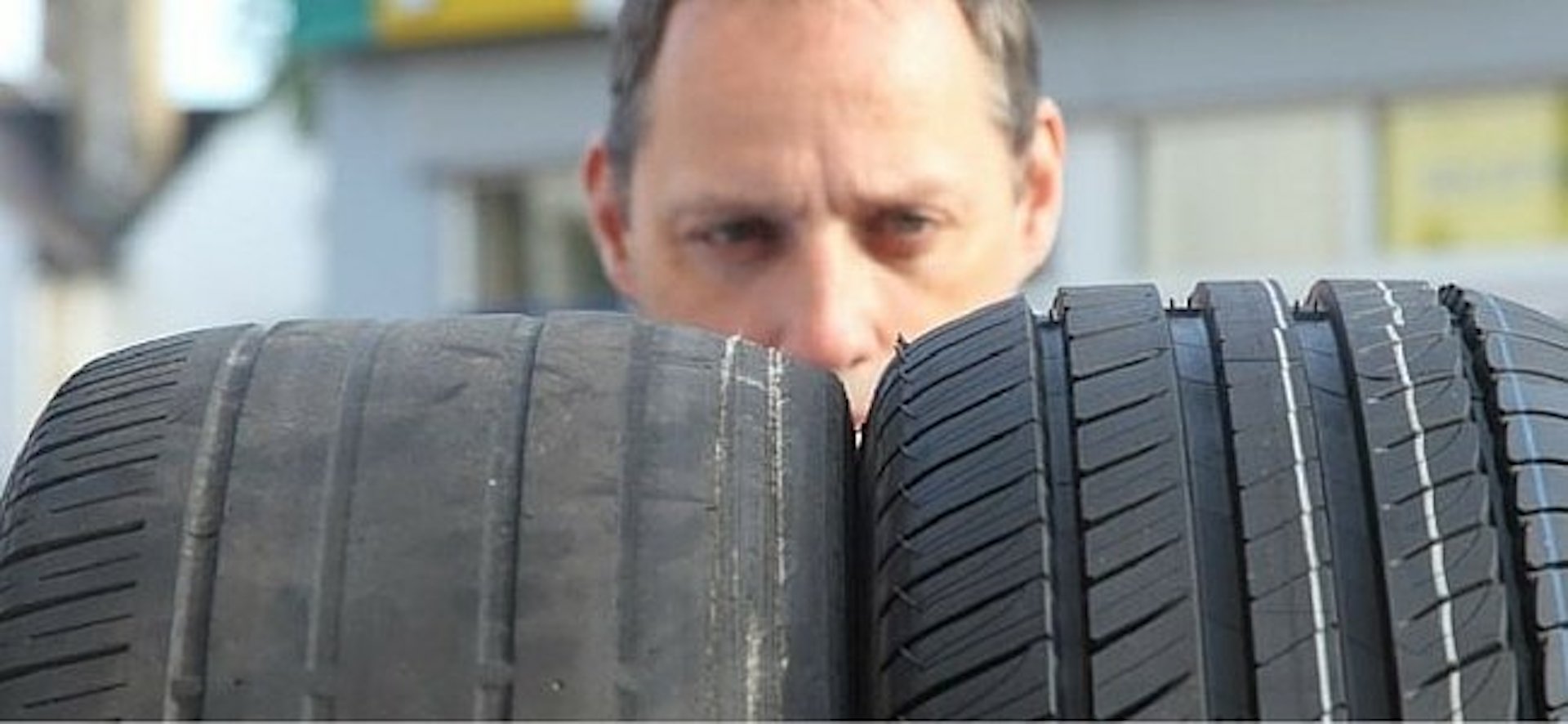
Tyres are a fundamental component that affects both the performance of the vehicle and the safety of its occupants, which is why it is important to pay attention to certain recommendations
Your car’s tyres are much more than a rubber ring filled with air; they are a fundamental component of both performance and safety, indispensable in every type of vehicle. They are responsible for forming the link between the vehicle and the road, which is why it is also important to match your tyres to the type of vehicle you have and the type of surface it will be driven on.
The tread depth of tyres is about 8 to 9 millimetres for summer tyres (slightly more for winter ones), and it decreases as the tread wears down with mileage. The legal wear limit at which replacing the tyres is mandatory is when the tread depth reaches 1.6 mm; from that point on, the tyre’s performance is affected, including braking distance and vehicle control.
There are many factors to consider when choosing a tyre; you must make sure your vehicle fits the right tyres for winter, summer or any adverse weather conditions. But what should never be in doubt is replacing them when the tread, which grips the vehicle to the road, is worn and causes an increase in braking distance. Smooth tread significantly increases the risk of an accident, especially if the road surface is wet.
How do I know if I should change my tyre?
There are several ways to check tyre wear and see whether they are at the right time to be changed; it is a part of the car where you should neither cut corners nor skimp on quality. When carrying out the inspection, make sure the tyre shows no cuts, scratches, bulges or lumps.
One method many people use to check wear is the ‘euro coin test’. This method involves inserting a euro coin into the tread of your tyre and, if the tread sits below the circular edge visible on the coin, it is time to change it. Many drivers use this method, but the reality is that a euro coin has an edge of over 3 mm. The law stipulates that the tread must not be less than 1.6 mm, almost half the edge of the euro coin. And if a tyre is of good quality (you know we recommend avoiding Chinese brands), it is designed to maintain high performance throughout its entire useful life, that is, until it reaches 1.6 mm. Replacing them earlier, as the ill-advised “coin test” would suggest, is good neither for our wallets nor for the planet.
This can be understood as the planned obsolescence of tyres, or as a myth that has come to light to make drivers change their tyres sooner, boosting revenue for companies. A recent study by FESVIAL indicates that this procedure would lead us to change tyres far too early, resulting in an bill of 800 million euros for car companies in the EU due to factors such as increased fuel consumption and 6.1 million in tyre purchase costs more frequently.
Setting this homemade test aside, there are other types of tests that measure tyre wear with greater precision. One of the most accurate is the abrasion or wear test, carried out using tread wear indicators. To use this gauge, simply insert the probe bar into the groove and push it until its shoulders are flush with the tyre. It is important to check wear in several places, as one area may show more wear than another.
On Amazon you can find this groove gauge for 1.95 euros. There are also various digital gauges; this is one of the most in-demand, with a modest price of 8.99 euros. It is worth noting that it is important to measure wear with the wheels straight, on flat ground and with the tyres cold.
Tips to extend the life of your tyres
There are several tricks or tips you can apply as a driver to extend tyre life. Deterioration is caused by key factors such as road friction, emergency braking, kerb impacts, punctures, etc.
Here are some recommendations to get the most out of your tyres:
- Make sure they have the correct pressure, as this can cause deformities.
- The specified load must not be exceeded; check the weight your car carries.
- Drive with moderation, avoiding sudden acceleration and excessive grip in corners.
- Check that the steering is not misaligned.
- Keep your tyres clean, as mud or other substances can cause imbalance.
- Check the valves and caps, which regulate pressure; metal ones are the best.
- Beware of impacts; no damage is visible to the naked eye, but over time it becomes apparent.
- Do not use expired tyres; their life should not be pushed, as all tyres have an expiry date.


 Kia offers an electric range of 10 models, 50 versions and 400 possible combinations
 The seven finalists for the 2027 European Car of the Year (COTY) are exclusively electric
 Peugeot E-208 GTi: a battery-powered toy that revives the spirit of the 1980s sports cars
Deja un comentario