Atto 3 BYD C10 Leapmotor Electric Cars Comparisons Tests SUV
Jaecoo 7 petrol vs Omoda 5: which Chinese compact SUV offers the most value under 26,000 euros
 Iván Navarro
25 August 2026
6 min.
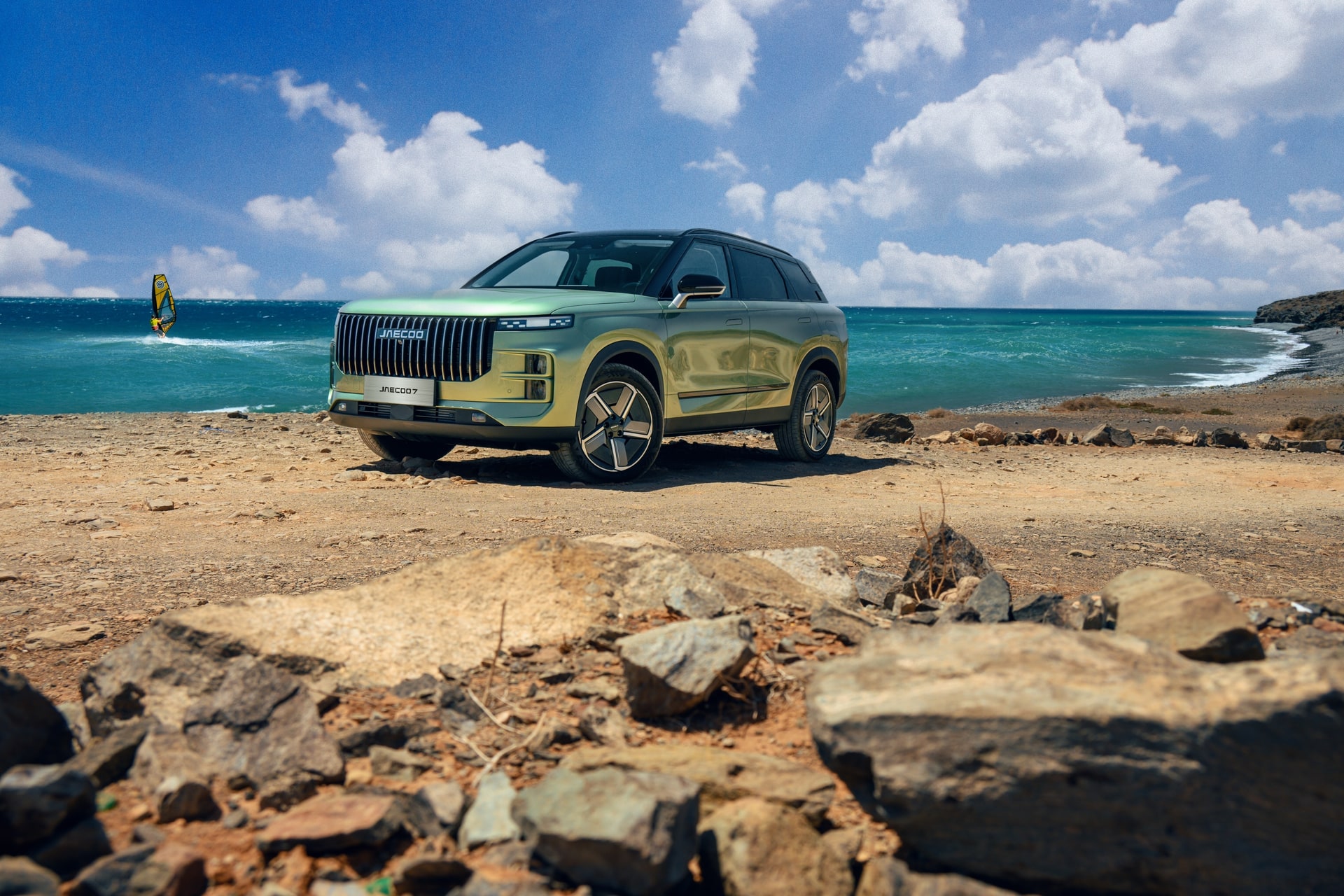
A head-to-head comparison of the petrol Jaecoo 7 and the electric Omoda 5, two compact SUVs from the Chery group with radically different propositions for the Spanish buyer.
The Chery group has landed in Spain with two sister brands that aim at the same customer by opposite routes. Jaecoo relies on a turbocharged petrol engine and elegant off-road styling; Omoda bets on the electric coupé-SUV and a more technology-led message. Both share a platform, a dealer network and a philosophy of tight pricing, but in practice they solve different needs.
From the shortlist of candidates we initially considered, we have ruled out the BYD Atto 3 for this comparison: in our view, the advantage the brand enjoyed in value for money two years ago has eroded with the arrival of new Asian and European players in the electric compact SUV segment, and today the interesting contest is played out within the Chery group itself. Let’s get on with the ones that do make the cut.
Why pit two cars with different powertrains against each other
It may sound odd to compare a petrol car with an electric one. But the Spanish buyer who walks into a Jaecoo or Omoda dealership with 26,000-30,000 euros in hand faces exactly this dilemma: same group, same size, same philosophy of generous equipment, two incompatible powertrains. The real question is not which one is “better” in the abstract, but which one fits the use you are going to give it.
Petrol Jaecoo 7, from approximately 33,900 €
The Jaecoo 7 in its 1.6 TGDI version with a seven-speed DCT gearbox is the classic approach: turbocharged petrol, front-wheel drive, no cables and no range anxiety. Stylistically it plays the pocket-sized Range Rover card — vertical grille, sculpted bonnet, sharp lights — and to my eye it is among the most accomplished design work to have come from the Asian giant.
It cruises with ease on motorways and its homologated consumption is around 7.5 l/100 km, a reasonable figure for a compact SUV of almost 4.5 metres. DGT C label, which in practice means it can enter the low-emission zones (ZBE) of Madrid or Barcelona without the harshest restrictions, although it does not enjoy the advantages of an ECO or 0 label.
| Power kW | Power CV | Top speed | Range | Consumption | Label | Fuel |
|---|---|---|---|---|---|---|
| 110 kW **108 kW** | 150 CV **145-147 CV** | ≈180 km/h | ≈750 km tank **≈680-750 km** | ≈7.5 l/100 | C | Petrol |
Electric Omoda 5, from approximately 37,900 €
The Omoda 5 in its 61 kWh Comfort version is the electric reading of the same concept. A more coupé-like silhouette, a descending roofline and a closed-off front end that underlines its zero-emissions nature. On paper it plays in a different league: 204 CV, instant response, a 0 label and full access to any low-emission zone in the country.
The 61 kWh battery homologates around 430 km WLTP, a decent figure for its segment although not groundbreaking. In urban use it behaves with the punch you would expect from a modern electric car; on the motorway at 120 km/h the real-world range suffers — nothing new under the sun of electric mobility. DC fast charging falls short of what some more recent rivals offer, and that is probably its most debatable point.
| Power kW | Power CV | Top speed | Range | Consumption | Label | Fuel |
|---|---|---|---|---|---|---|
| 150 kW | 204 CV | ≈170 km/h **≈172 km/h** | ≈430 km WLTP | ≈15.5 kWh/100 | 0 | Electric |
Real price and incentives: the nuance that changes the equation
The prices above are the manufacturer’s recommended retail price, without dealer discounts, one-off campaigns or purchase incentives. And this is where the picture gets twisted. The electric Omoda 5 is a candidate for the Plan Auto+ incentives, which could substantially narrow the gap with the petrol Jaecoo 7 if the requirements are met (scrapping of an old vehicle, tax conditions, deadlines of the current call). It is worth checking the plan’s official website because the amounts are updated.
Without incentives, the petrol car is cheaper to start with. With incentives and scrappage, the gap can close until the electric car’s extra cost becomes irrelevant. The equation depends on your paperwork, not on the car.
Real-world use: where each one shines
The petrol Jaecoo 7 makes sense if you cover more than 25,000 km a year, if you live outside a big city, if you have no charging point at home or if your usual route includes long motorway journeys. Mechanical simplicity counts: you refuel in five minutes and carry on. On a long trip, no anxiety.
The electric Omoda 5 is the logical choice for anyone living in Madrid, Barcelona, Valencia or any city with a ZBE who covers a medium-to-low mileage. With a charger at home or in the communal garage space, the cost per kilometre plummets. In the city it is enjoyed like few petrol cars can be — silence, instant thrust, a feel that hooks you. That said, on a long trip you have to plan your stops.
For the mixed user, with occasional charging and the odd long journey, the decision is greyer. This is where candidates would come in from among the plug-in hybrid SUVs under 45,000 euros that these two Chinese siblings do not cover.
Comparison table and editorial score
| Model | Powertrain | CV | Range | Label | Price from | Score /10 |
|---|---|---|---|---|---|---|
| Jaecoo 7 1.6 TGDI | Petrol | 147 | ≈750 km | C | ≈33,900 € | 7.8 |
| Omoda 5 61 kWh | Electric | 204 | ≈430 km | 0 | ≈37,900 € | 7.5 |
Verdict
Both cars are solid and neither disappoints in its own territory. The petrol Jaecoo 7 wins on flexibility of use, real-world range and entry price; the electric Omoda 5 wins on performance, the 0 label and cost per kilometre if you charge at home. The comparison has no universal winner — it has a winner for each type of driver. Anyone looking for a broader analysis of the Jaecoo within its segment can see how it performs against other direct Chinese rivals.
Frequently asked questions
Do the Jaecoo 7 and the Omoda 5 share a platform?
Both belong to the Chery group and share a technical philosophy and a dealer network in Spain, although their mechanical development is different: the Jaecoo 7 uses a 1.6 turbocharged petrol engine with a DCT gearbox, and the Omoda 5 in the version tested is 100% electric with a 61 kWh battery.
What real-world range can I expect from the Omoda 5?
The homologated WLTP figure is around 430 km. In real mixed use, with moderate temperatures and without overdoing the motorway, it is reasonable to count on 330-370 km. On 120 km/h journeys in winter, the figure can drop to around 280-300 km.
Does the petrol Jaecoo 7 have an ECO label?
No. Being a turbocharged petrol without hybridisation, it homologates a DGT C label. It can drive in ZBE areas under the general restrictions applicable to C vehicles, but it does not get the advantages of ECO or 0.
Which one pays off more if I cover 30,000 km a year?
At that mileage and with no urban restrictions, the petrol Jaecoo 7 tends to work out more cost-effective thanks to its lower entry price, no dependence on a home charger and quick refuelling. The Omoda 5 only pays off at high mileage if you have cheap charging at home or at work.
Technical specifications of this car

 Peugeot E-208 GTi: a battery-powered toy that revives the spirit of the 1980s sports cars
 New Lexus ES: luxury grows and goes electric
 First contact with the Dacia Sandero Hybrid 155: power and efficiency from €19,890
Deja un comentario