Japan boosts fuel cell vehicles with more than 80 new hydrogen facilities
 Victor Alós Yus @sepelaci
16 December 2017
2 min.
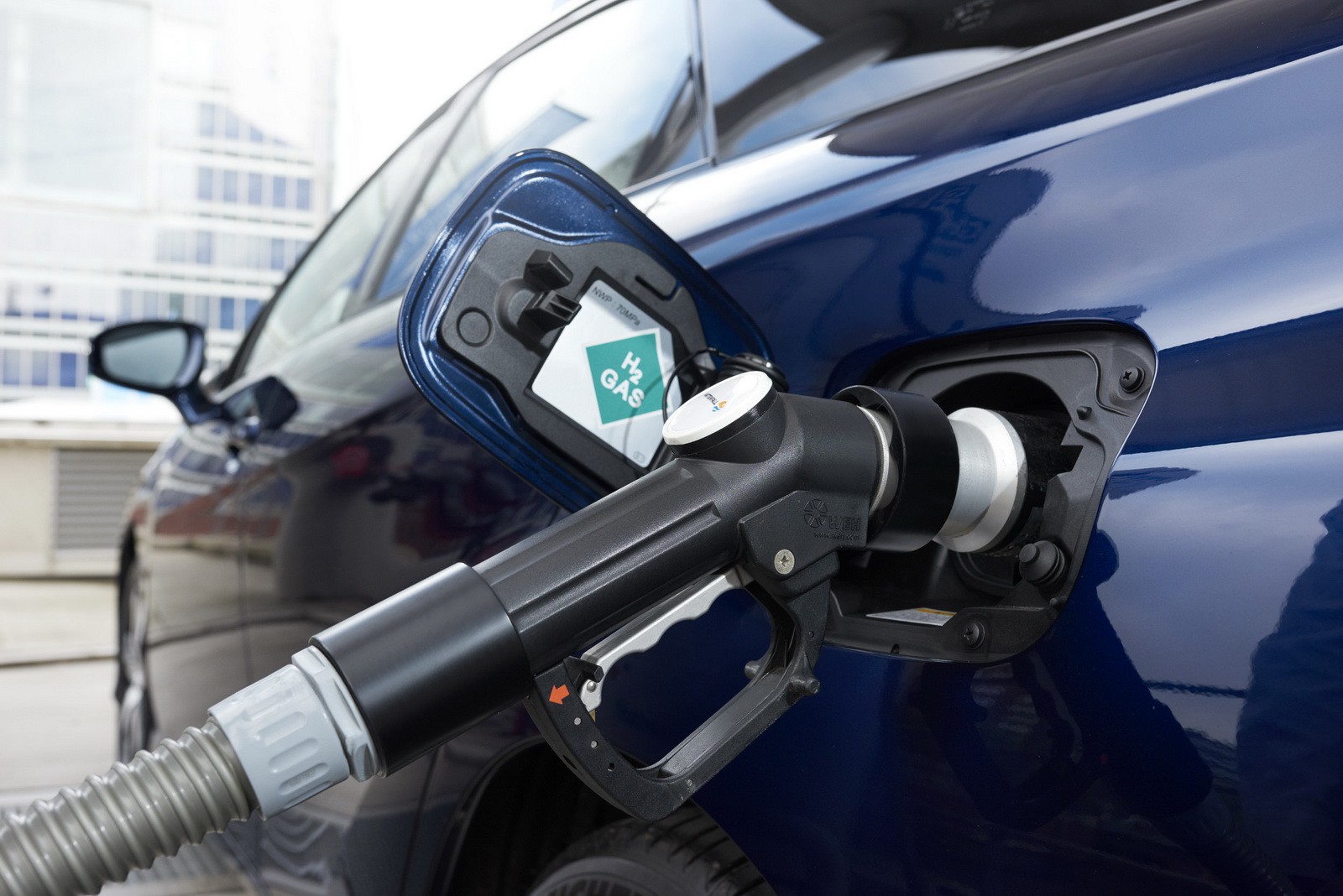
Major Japanese brands join forces to improve fuel cell hydrogen vehicle technology with a network of service stations
Major players in the Japanese automotive industry are coming together to create a new infrastructure network for hydrogen-powered fuel cell vehicles. Toyota, Honda, Nissan and eight other companies are preparing to build this network of hydrogen service stations across the whole of Japan.
Among those other companies are Nippon Oil & Energy, Idemitsu Kosan, Iwatani, Tokyo Gas, Toho Gas, Air Liquide Japan, Toyota Tsusho, and the Development Bank of Japan, which shows the interest of several of these companies in the brands’ initiative to advance this type of zero-emission mobility.
Japan could become the most advanced country in this type of clean car, since during the first years of this agreement the alliance intends to put into operation a network of 80 new service stations where hydrogen can be refuelled. The goal is for the country’s streets to be carrying 40,000 hydrogen-powered vehicles by 2020.
But beyond creating this infrastructure network and promoting hydrogen-powered vehicles, the alliance of these companies will work to advance this technology jointly. This means they will invest in it and that within a few years all the advances achieved in this technology will reach the road. Among the practical applications we will see most immediately is the adoption of a standard type of charging equipment for all brands.
These vehicles, although they run on electricity, do not draw it from the batteries fitted to the model, but from a fuel cell that is fed by the hydrogen obtained at this type of service station. They are vehicles that do not yet enjoy wide acceptance among zero-emission vehicle users, but with the backing of the Japanese industry they could achieve a significant advance over their current situation.
The fuel cell car has higher performance than the electric one, as its range is somewhat greater. On the other hand, it is somewhat more expensive than electric cars, so it needs the cost of this type of vehicle to improve in order to become increasingly popular.


 Peugeot E-208 GTi: a battery-powered toy that revives the spirit of the 1980s sports cars
 New Lexus ES: luxury grows and goes electric
 First contact with the Dacia Sandero Hybrid 155: power and efficiency from €19,890
Deja un comentario