MG Motor is considering importing the MG4 into Europe from Thailand
 Javier Cantagalli
27 August 2024
2 min.
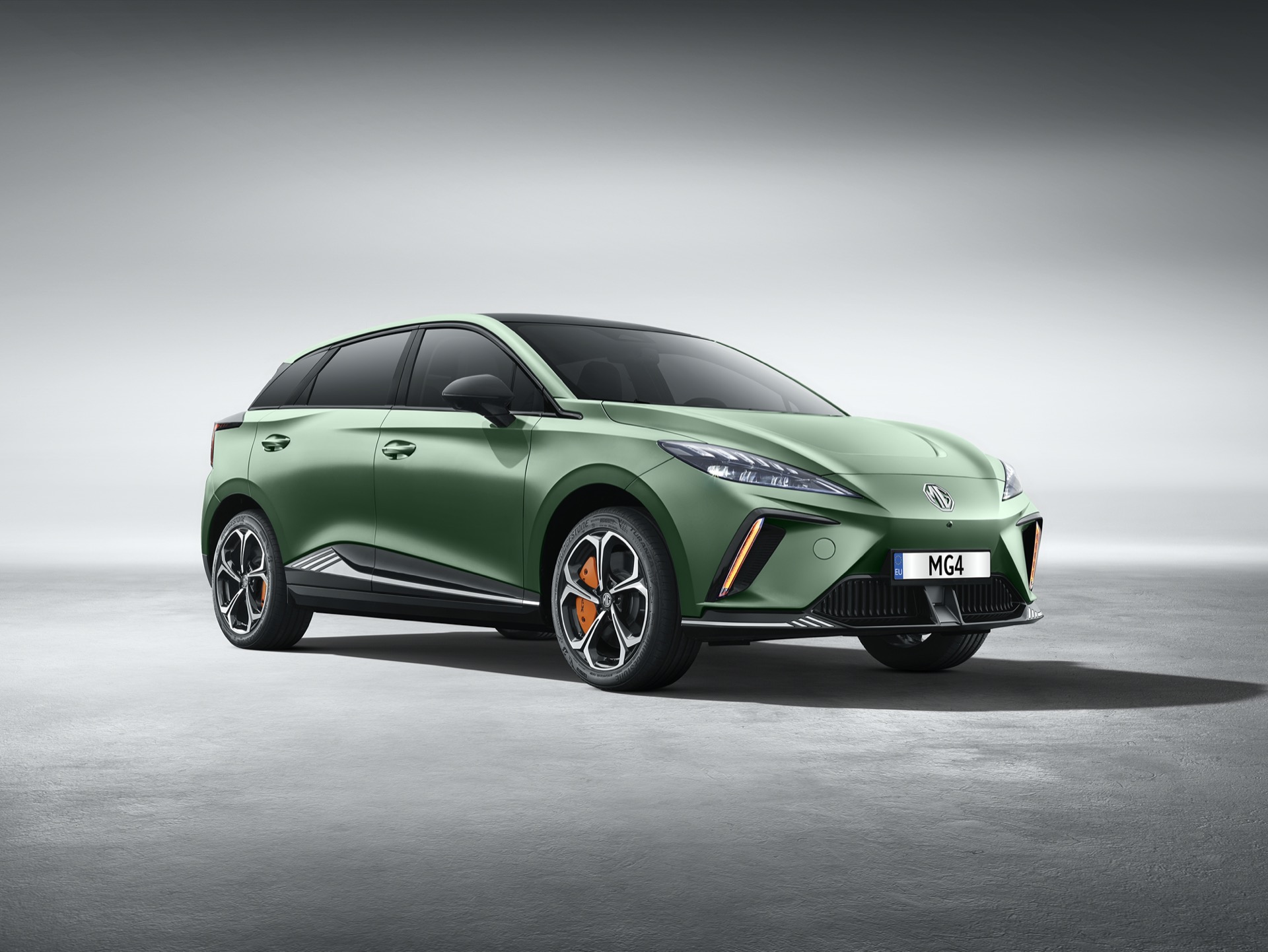
This could allow MG Motor to avoid the special import tariffs on vehicles produced in China in Europe, as is the case with the MG4. However, this solution is not simple either.
The British firm, part of the Chinese SAIC Group, faces a major challenge following the European Commission’s recent confirmation of special tariffs on electric vehicles imported from China into its own market. These tariffs, which could reach a total of 46.3 percent of the price of MG Motor’s electric vehicles, include a regular 10 percent tariff plus an additional 36.3 percent, making it very difficult for the brand’s models to compete in the European market.
To get around this situation, SAIC is considering exporting electric vehicles produced in Thailand to Europe. Since November 2023, the MG4, the brand’s best-selling model in Europe, has been produced at a plant in the province of Chonburi, Thailand. This strategy is not without complications, however, since for the EU to classify these vehicles as originating from Thailand, at least 40 percent of their components must come from that country. This poses a logistical and economic challenge in securing the local supply chain.
On the other hand, it should not be forgotten that Thailand has not exported vehicles to Europe in the past due to the lack of a trade agreement. It is therefore not out of the question that the European Union may end up applying special duties to the import of these vehicles as well, after having made the effort to adapt production for this purpose.
At SAIC, however, they maintain the hope that the Thai government can conclude a free trade agreement with the EU before the end of the year, which would make it easier for them to access the European market using their Thai plant.
Is this a good way out for MG Motor?
In any case, it should not be forgotten that this solution would only be valid for the MG4. Other models from the brand, such as the ZS SUV, the Marvel R and the MG5, all manufactured in China, could not benefit in the same way from this production strategy in Thailand. Starting exports from Thailand thus seems to be nothing more than a patch on the complicated situation SAIC faces in the European market, and the company will still need to carry out a broader strategy to sell its other electric models in the European market at competitive prices.
In the long run, the only way out therefore lies in building plants in Europe or in other countries with favourable trade agreements with the European Union.
 Peugeot E-208 GTi: a battery-powered toy that revives the spirit of the 1980s sports cars
 New Lexus ES: luxury grows and goes electric
 First contact with the Dacia Sandero Hybrid 155: power and efficiency from €19,890
Deja un comentario