Paraffinic diesel, what is it and how does it work?
 Mónica Redondo @MonicaRedondoD
17 December 2021
2 min.
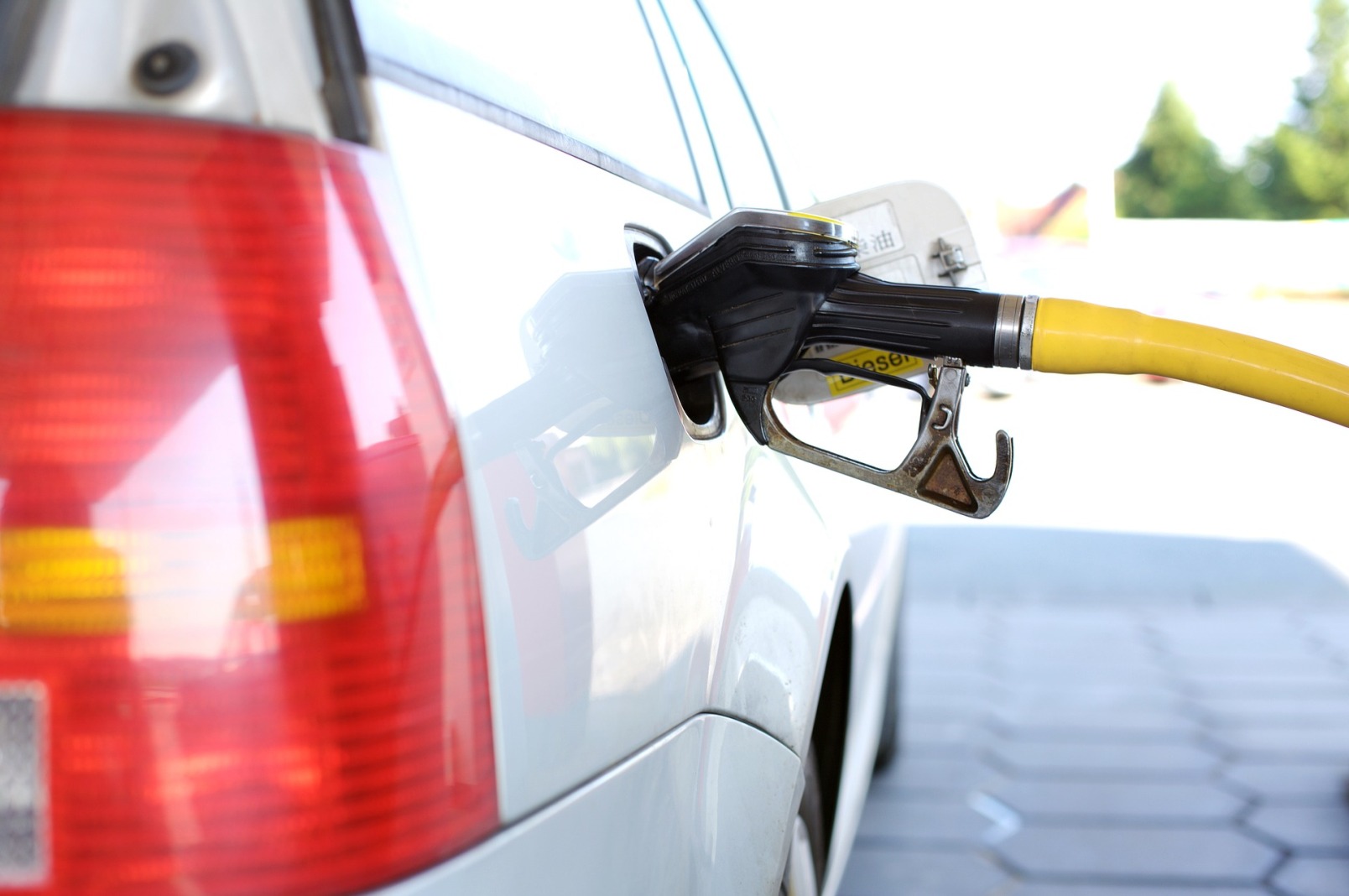
What is the new paraffinic diesel from Volkswagen? Here’s what you need to know!
What is paraffinic diesel? You’ve probably read articles in recent months about the bet some manufacturers are making on the development of synthetic fuels. Well, Volkswagen has decided to take a step further and has created a fuel aimed at reducing the carbon footprint of its range by 40% in Europe.
The new paraffinic diesel from Volkswagen is a fuel with biocomponents that delivers a notable CO2 saving of between 70 and 95% compared with conventional diesel. It is worth noting that the German brand is testing four-cylinder diesel engines that run on this alternative fuel.
Paraffinic diesel, the solution for combustion engines?
So much so that all Volkswagen models with TDI diesel engines delivered since June 2021, CW 25/21, are approved to run on the new paraffinic diesel, as set out in the European standard EN 15940.
Today there is already a wide range of paraffinic fuels. Some are produced from biological waste and hydrotreated vegetable oil, HVO. This type of vegetable oil is converted into hydrocarbon through a reaction with hydrogen and can be blended into diesel.
Although in Spain this type of paraffinic diesel is currently hard to find, you may come across C.A.R.E diesel, NEXTBTL and HVO. Diesel R33, V-Power diesel, OMV MaxMotion and Aral Ultimate diesel have also been added. In addition, e-fuels such as Power-to-Liquid, PtL, will soon be available. The latter initially produces a synthesis gas from raw materials, which is then converted into diesel that complies with the regulations.
However, it can also be used pure as a fuel, since vegetable oils such as rapeseed oil can also be used to produce hydrotreated vegetable oil. As the German brand has confirmed, “the greatest environmental benefit is obtained only by using biological waste and waste materials such as used cooking oil, sawdust, etc. Biofuels such as HVO are already available on the market, and their share is likely to rise from 20 to 30 per cent of the road transport energy market in Europe over the next ten years”.


 Peugeot E-208 GTi: a battery-powered toy that revives the spirit of the 1980s sports cars
 New Lexus ES: luxury grows and goes electric
 First contact with the Dacia Sandero Hybrid 155: power and efficiency from €19,890
Deja un comentario