Planned development of a new luxury electric saloon from Lexus is on hold.
 Javier Cantagalli
1 June 2026
2 min.
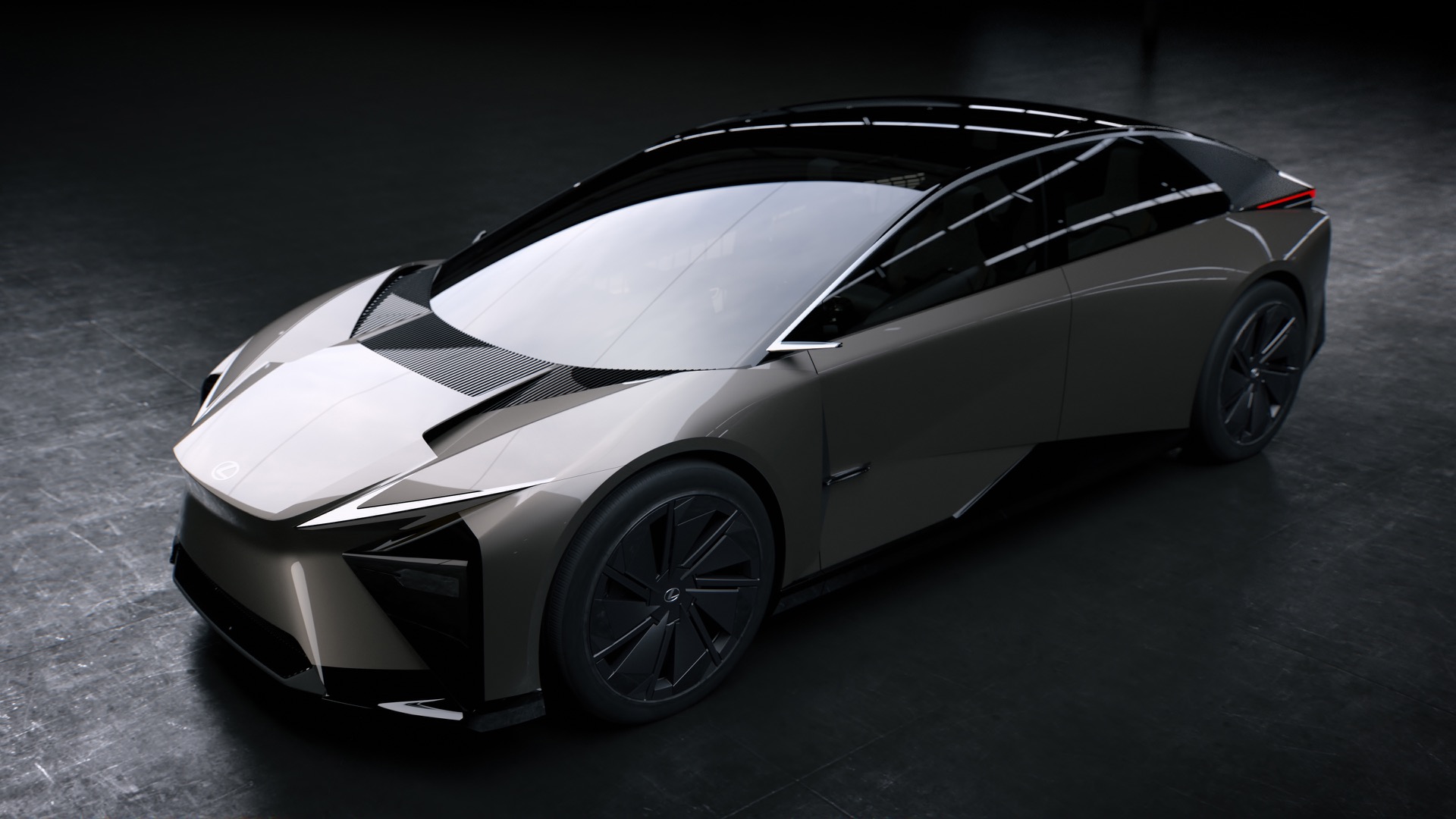
The decision by Toyota reflects the difficulties the industry is currently facing in the transition to electric vehicles, especially in segments such as saloons, where competition is very intense and demand has not grown at the expected pace.
Toyota has decided to cancel — we don’t know whether temporarily or permanently — the development of a luxury electric saloon that its engineers were working on under the Lexus brand. The final mass-production model would have been based on the LF-ZC prototype presented by the Japanese manufacturer at the end of 2023.
Had everything gone as planned and the project not been cancelled, this new luxury electric saloon would presumably have seen the light of day next year, in 2027, after its launch, originally scheduled for late 2026, had already been delayed once before.
The mass-production version of the LF-ZC was going to be one of the first electric vehicles from Lexus built using gigacasting technology, an innovative casting process that makes it possible to create large aluminium parts by integrating multiple components into a single piece. Production was planned at a plant in Aichi Prefecture, Japan. Using this technology, the aim was to reduce the vehicle’s weight and simplify its production.
This is only a full stop, not the end of the sentence
Despite the cancellation of this saloon, Toyota will continue its research efforts in gigacasting and solid-state batteries. The company does not rule out launching next-generation electric vehicles in the future, although it could do so by giving greater priority to other body styles, such as SUVs, which currently enjoy higher demand in the market.
During the presentation of the LF-ZC prototype in 2023, Lexus announced a major transformation of its production processes. In addition to gigacasting, the Japanese company planned to replace traditional assembly lines with an autonomous assembly line system based on intelligent conveyors. This change aimed to offer greater flexibility in plant planning, shorten production times and significantly reduce investment costs.


 Peugeot E-208 GTi: a battery-powered toy that revives the spirit of the 1980s sports cars
 New Lexus ES: luxury grows and goes electric
 First contact with the Dacia Sandero Hybrid 155: power and efficiency from €19,890
Deja un comentario