Producing large series of electric vehicles will not be profitable until 2020, according to BMW
 Guillermo Lopez
26 March 2018
3 min.
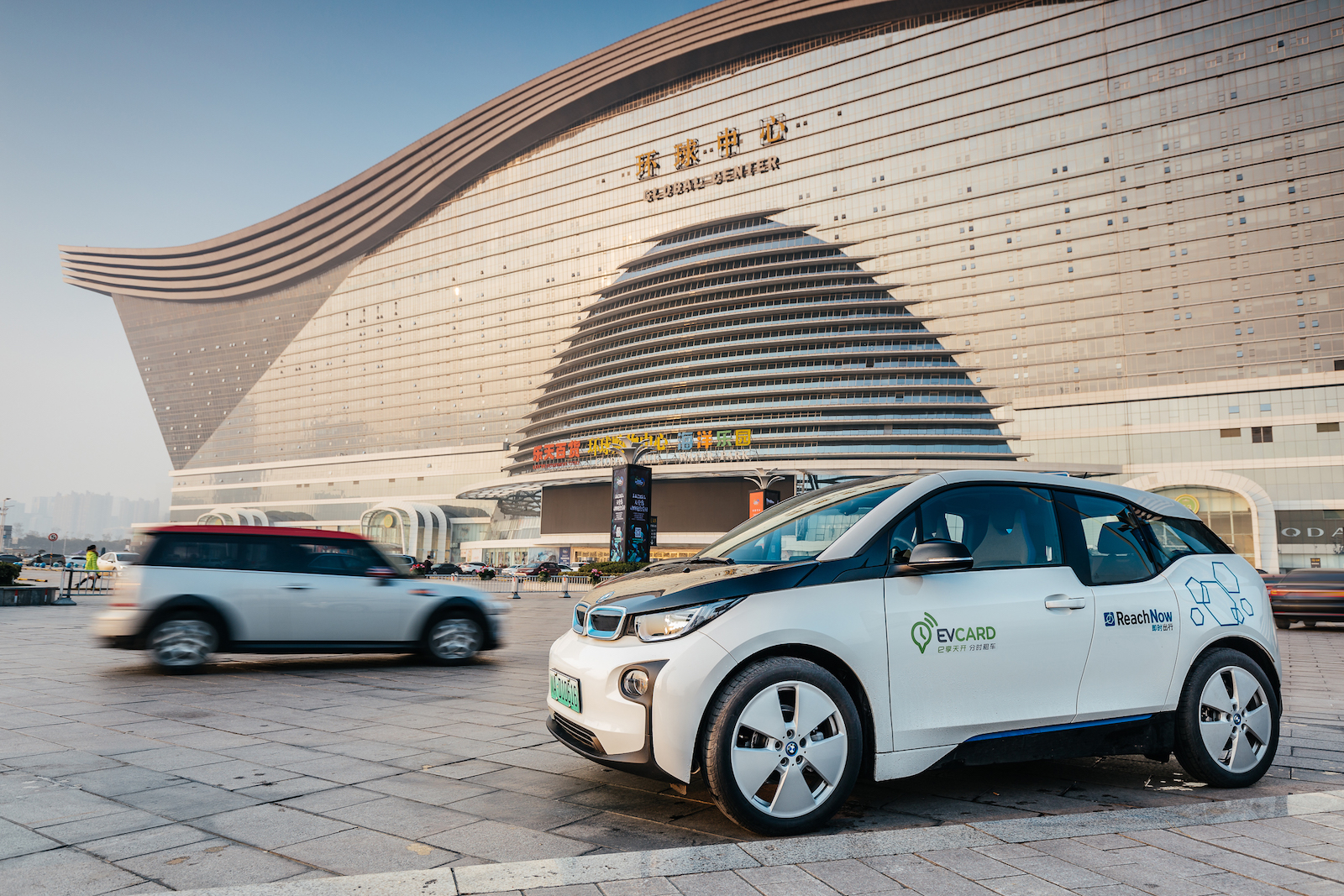
BMW is developing its technology so that the production of large series of electric vehicles becomes more modular, scalable and profitable than it currently is
According to the Bavarian manufacturer, the current technological situation prevents the production of large series of fully electric vehicles powered by energy stored in their batteries from being profitable. This is mainly because neither the batteries nor the software and electric motor technology have made it possible until now.
BMW has been working on electric propulsion since practically the 1970s. In 1972 it presented the BMW 1602, its first electric vehicle, on the occasion of the Munich Olympics. From that prototype to the BMW E1, which drew all eyes and attracted considerable attention at the 1991 Frankfurt Motor Show. More than two decades passed until in 2013 BMW began marketing the i3, and since then BMW has been working on different generations of the components of its electric models, seeking to improve and develop their technology.
Thus, next May the new i8 Roadster will reach the brand’s dealerships, already equipped with fourth-generation electric drive technology, whose advances have allowed its range to be increased by 40 percent compared with the previous generation of the model, according to the German manufacturer. “We wanted this fifth generation to be more competitive in terms of costs,” said Harald Krueger, the brand’s chief executive, before a group of analysts in Munich, where he also commented that BMW “does not want to increase the cost scale with the fourth generation”.
The technological cost advantage between the fourth and fifth generation of the brand’s electric vehicles rose to “double-digit figures in percentage terms”, as the president Krueger himself said without providing precise figures. The Bavarian manufacturer needs to maintain that profitability before it can take on larger production scales on its vehicle assembly lines. “If you want to win the race you must be the most cost-competitive in the segment, otherwise you cannot scale up volume,” Krueger said.
But that does not mean development work is stopping. Currently BMW is already working on the sixth generation of its technology and is investing hundreds of millions of euros in battery research to perfect the mass production of them, as reported by BMW itself.
The Bavarian manufacturer is currently producing electric vehicles in 10 plants spread around the world, but it has basically focused on the production of hybrids, vehicles that combine combustion engines with electric motors, rather than producing vehicles powered exclusively by energy stored in their batteries. But now BMW plans to add 25 new electrified models by 2025 to its range, of which up to a total of 12 will be vehicles powered exclusively by electric motors.
From 2020 onwards, and thanks to the new production method the German brand plans to have in place by then, BMW will be able to produce all its car ranges with electric and hybrid variants as well as with traditional combustion engines. Before that, in 2019, production of the Mini E, a fully electric variant, would begin at its plant in Oxford (United Kingdom).


 The seven finalists for the 2027 European Car of the Year (COTY) are exclusively electric
 Peugeot E-208 GTi: a battery-powered toy that revives the spirit of the 1980s sports cars
 New Lexus ES: luxury grows and goes electric
Deja un comentario