Ë-Berlingo Berlingo Citroen Combo Dobló Fiat Opel Partner Peugeot Tipo Electric Cars Furgonetas Rankings
Ranking 2026: the 5 small electric vans with the best payload-to-price ratio under €38,000
 Dani Montesinos
16 November 2026
7 min.
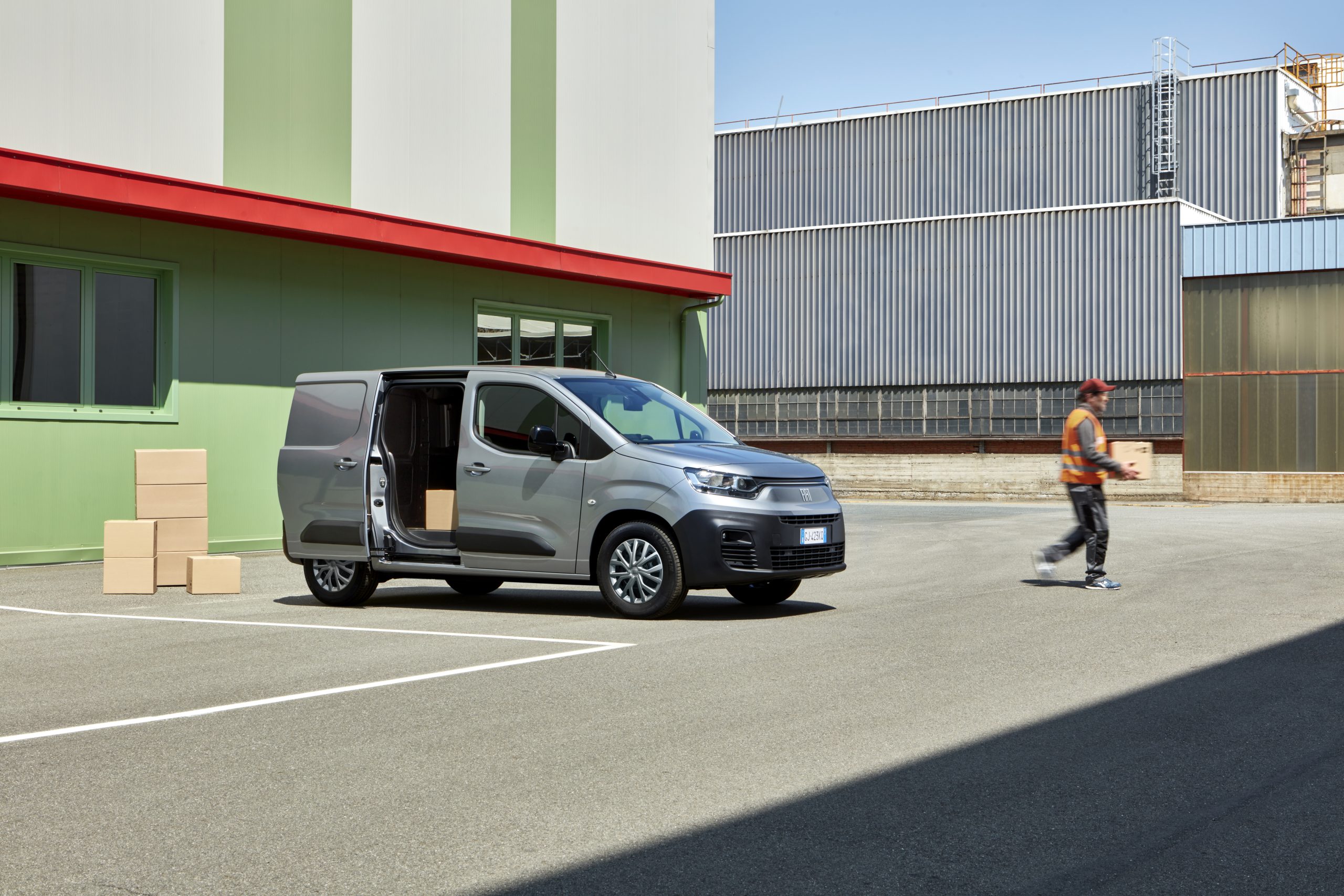
We compare the five small electric vans on sale in Spain for less than €38,000 according to their payload-to-price ratio and with a WLTP range of
Buying an electric van for urban delivery is no longer an act of faith. In 2026 the Spanish market offers half a dozen small electric vans priced below €38,000, ranges of around 280–300 km WLTP and payloads that, in some cases, come close to 800 kg. The question any self-employed driver or fleet manager asks is not which is the cheapest, but which delivers the most kilos of load per euro invested. That is the criterion we have applied here.
What self-employed drivers and fleets look for in a small electric van in 2026
An urban courier does not need 600 km of range. They need to enter low-emission zones without restrictions, charge at home or at the warehouse overnight, and have a vehicle that carries parcels, tools or goods without penalising consumption. That is why payload weighs as much as the final price, and why cargo volume (between 3.3 and 4.4 m³ in this segment) remains a weighty argument against the latest electric SUV.
The five vans in this ranking share more than a category: four of them come from the same Stellantis platform, which explains almost identical power figures. The fifth, the French Renault, plays a different card: less load but more range.
How we calculated the ranking: payload relative to price
The method is simple and deliberately transparent: we divide the maximum homologated payload (in kg) by the entry price at the dealership, without extras. The higher the result, the more kilos of load the buyer gets for every euro spent. It is not the only variable that matters when choosing a van, but it best summarises the commercial argument for this type of vehicle: earning a living with it.
2026 ranking of small electric vans by payload-to-price ratio
1. Peugeot e-Partner, from €22,920
The e-Partner tops the list by a narrow margin, but it does. With 800 kg of payload and an entry price close to €23,000, its ratio is the tightest in the group. It is not the one with the most range, but for daily urban delivery routes, 275 km WLTP is more than enough.
2. Fiat E-Doblò, from €30,800
The E-Doblò falls outside the lead. It shares its drivetrain with the e-Partner almost to the millimetre: the same 100 kW, the same 800 kg payload, but a higher starting price that tips the balance. That said, standard equipment often offsets the difference, something worth checking configuration by configuration before ruling it out.
3. Citroën ë-Berlingo, from €21,377
Third place goes to the ë-Berlingo, which repeats the Stellantis formula: 800 kg payload, 100 kW power, homologated range of 280 km. What changes is the price, somewhat higher than its sister models, and that is enough to place it one step lower. For those who value French design and the Citroën workshop network, it remains a solid option.
Opel Combo4. Opel Combo Electric, from €29,182
The Combo Electric comes fourth with the same drivetrain as its three platform siblings and a somewhat higher entry price. The difference from the podium is minimal in day-to-day use and barely noticeable at the wheel, but in a cold calculation of the ratio it costs a position.
Renault Kangoo5. Renault Kangoo E-Tech Electric, from €37,764
The Kangoo E-Tech closes the ranking, and it is worth explaining why. It is not a worse van and it offers no range advantage over the previous four, though it does have an interior finish that many drivers prefer. But its payload sits around 650 kg, almost 150 kg less than its rivals, and with a higher entry price that ultimately penalises its ratio. For longer routes with light loads, it is probably the best of the bunch; for moving heavy pallets every day, it is not the first call.
Comparative summary table
Plan Auto+ aid and taxation for self-employed drivers
All five vans in this ranking are eligible for the Plan Auto+, the current subsidy framework for buying electrified vehicles in Spain. The exact amount and deadlines vary by autonomous community and call for proposals, so the prudent course is to check the official plan website before signing the purchase contract, as the fine print changes fairly often. For self-employed drivers, accelerated depreciation and the deduction of input VAT also tend to make the deal more attractive than with a conventional car, a point worth reviewing with your accountant before choosing one model over another.
Which model to choose based on your use
If the business lives on moving kilos, the Peugeot e-Partner and the Fiat E-Doblò are the most sensible bet: same drivetrain, maximum payload and a price that remains the most competitive in the segment. If, on the other hand, the daily route is longer and the load rarely exceeds 500 kg, the Renault Kangoo E-Tech justifies its slightly higher price with greater range and an interior that feels a step above. Anyone already tied to a Citroën workshop or Opel dealership loses little by staying put: the ratio difference across the first four positions is, in everyday practice, almost anecdotal. For those who also run other fleet vehicles and value long-term running costs, it is also worth reviewing
how to choose a small van for a self-employed driver with mixed city and motorway use, where factors such as manoeuvrability, which we have only sketched here, come into play.
Frequently asked questions
What is the cheapest small electric van in Spain in 2026?
The Citroën e-Berlingo, from €21,377, is currently the most affordable entry model among small electric vans homologated with 800 kg of payload and priced below €38,000.
Which small electric van offers the most payload per euro invested?
According to the payload-to-price ratio calculated in this ranking, the Peugeot e-Partner and the Fiat E-Doblò lead the list, both with 800 kg of payload and very tight entry prices.
Are small electric vans eligible for Plan Auto+ aid?
Yes, all five models in this ranking can qualify for the Plan Auto+ in force in Spain, although the amount depends on the regional call for proposals and should be verified on the official website before purchase.
What real-world range can I expect from a small electric van in urban delivery?
WLTP figures range from 275 to 300 km depending on the model, but in real urban use with heavy loads and climate control running, it is reasonable to plan for between 15% and 20% less than the homologated figure.
Technical specifications of the cars in this article


 Kia offers an electric range of 10 models, 50 versions and 400 possible combinations
 The seven finalists for the 2027 European Car of the Year (COTY) are exclusively electric
 Peugeot E-208 GTi: a battery-powered toy that revives the spirit of the 1980s sports cars
Deja un comentario