Ranking 2026: the 5 urban electric SUVs with the best real-world consumption under 35,000 euros
 Dani Montesinos
4 August 2026
8 min.
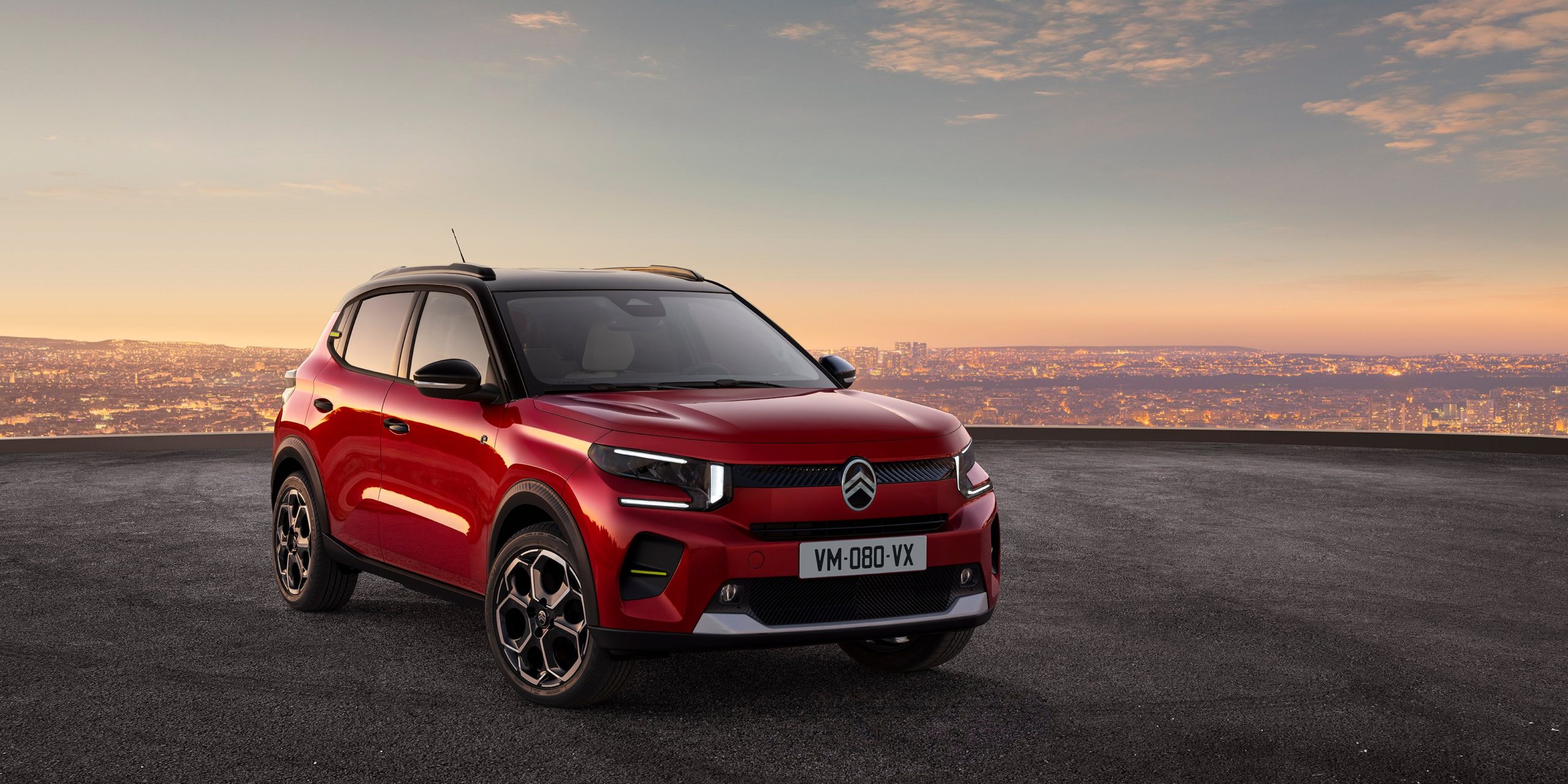
We analyse the five most efficient urban electric SUVs under 35,000 euros in Spain, with real-world consumption figures and final prices after the MOVES III Plan.
The urban electric SUV has stopped being a promise and has become a mature category, with a wide range of models and prices that — finally — fall below the psychological threshold of 35,000 euros once commercial discounts and the MOVES III Plan are applied. But there is one nuance that manufacturers still don’t explain properly: real-world consumption in kWh/100 km rarely matches the WLTP figure. And that gap, in daily urban use of 40 or 50 km, marks the line between an efficient car and one that forces you to plug it in every two days.
We have cross-checked data from independent tests, our own measurements over mixed urban cycles, and consumption reported by users in Spain to put together this ranking. The entry rule: final price below 35,000 euros after usual discounts and the MOVES III grant of 7,000 euros with scrappage. No recommended retail prices that nobody actually pays.
Why real-world consumption matters more than the WLTP figure
The WLTP cycle is homologated under controlled conditions. Real life is another matter: climbs into underground car parks, air conditioning at full blast in July, dense traffic with constant starts and stops. In an urban SUV, real consumption usually ends up between 15% and 25% above the homologated figure.
A figure to calibrate with: a car homologated at 15.5 kWh/100 km can end up driving at 17.8 kWh/100 km in reality. With a usable battery of 50 kWh, that means 280 km of real range versus the 320 km in the brochure. It’s not catastrophic — but it’s worth knowing before you sign.
How we measured the real-world consumption of each SUV
Three variables weigh more than the rest in the city: the efficiency of the powertrain at low speed, the aggressiveness of regeneration (how much energy is recovered when you lift off the accelerator) and the kerb weight. A light urban SUV with strong regeneration almost always beats a heavier one with a more efficient motor on paper.
We have prioritised consumption measured on pure urban and mixed city-outskirts cycles, not on motorways, because precisely that is the intended use of these cars.
The role of the MOVES III Plan and brand discounts
Without MOVES III, none of the five models in this ranking would comfortably drop below 35,000 euros. With a 7,000-euro grant for handing over a car for scrappage and campaign commercial discounts — which in some cases exceed 4,000 euros — the final price ranges between 19,000 and 28,000 euros. That is the range that makes the electric car competitive against an equivalent petrol model.
1. Citroën ë-C3 Aircross — from 25,740 € with MOVES III
The youngest in the ranking and, to our taste, the most pleasant surprise of the year. The Smart Car platform of the Stellantis group was designed from the outset for affordable electric cars, and it shows: the ë-C3 Aircross weighs just under 1,450 kg, which is remarkable for an electric B-segment SUV. That translates into real-world consumption between 14.8 and 16.1 kWh/100 km in urban driving, figures that only the best generation of the Renault ZOE came close to reaching in its day.
The 44 kWh LFP battery doesn’t stand out on paper, but by asking less of it in consumption terms the real-world range hovers around 270 km in the city. Simple interior, yes — the feel of the plastics is a step below that of an Peugeot equivalent. But for the use it is intended for, it more than delivers.
| Power kW | Power CV | Top speed | WLTP range | Real consumption | Emissions label | Fuel |
|---|---|---|---|---|---|---|
| 83 kW | 113 CV | 143 km/h | 399 km | 16.1 kWh/100 km | ZERO | Electric |
2. Hyundai Kona Electric — from 25,590 € with MOVES III
The Kona Electric was one of the first serious urban electric SUVs on the market and, four years on, it remains a reference. The entry version with the 49 kWh battery is the one that interests us in this ranking: 135 CV, front-wheel drive and a real-world consumption that in the city settles around 14.6 kWh/100 km — an excellent figure for a car that exceeds 1,600 kg.
Regeneration controlled by paddles behind the steering wheel allows very finely tuned one-pedal driving. On a typical Madrid city-centre–Móstoles–Madrid route, roughly 40 real km, we have measured consumption below 15 kWh/100 km without driving defensively. If you are interested in a more detailed analysis of urban use in Korean compacts, the review of the Kia EV3 helps to understand the technical philosophy of the group.
| Power kW | Power CV | Top speed | WLTP range | Real consumption | Emissions label | Fuel |
|---|---|---|---|---|---|---|
| 99 kW | 135 CV | 162 km/h | 380 km | 14.6 kWh/100 km | ZERO | Electric |
3. Jeep Avenger — from 25,916 € with MOVES III
The Avenger shares its platform with the ë-C3 Aircross and the e-2008, but Jeep has calibrated its version with a different personality: somewhat heavier steering, more linear throttle response, and less aggressive regeneration by default. In the city it runs with real-world consumption of 16.3 kWh/100 km, slightly above the Citroën due to its greater weight and its 156 CV.
Is it worth paying 3,000 euros more than the ë-C3 Aircross? In our view, yes, if you value the interior finish and the feeling of a more accomplished car. If you are purely after minimum consumption, no.
| Power kW | Power CV | Top speed | WLTP range | Real consumption | Emissions label | Fuel |
|---|---|---|---|---|---|---|
| 115 kW | 156 CV | 150 km/h | 399 km | 15.5 kWh/100 km | ZERO | Electric |
4. Peugeot e-2008 — from 26,545 € with MOVES III
The e-2008 plays the card of refinement. The i-Cockpit is a matter of personal taste, but the overall package feels premium for its segment. Its 156 CV powertrain delivers real-world consumption of 15.3 kWh/100 km in the city, slightly worse than the Jeep Avenger despite sharing the mechanics. The reason: more weight and wider tyres.
That said, on open road the e-2008 holds its range well and makes up for it. For purely urban use there are more efficient options; for mixed city-outskirts use, it is one of the most balanced.
| Power kW | Power CV | Top speed | WLTP range | Real consumption | Emissions label | Fuel |
|---|---|---|---|---|---|---|
| 115 kW | 156 CV | 150 km/h | 406 km | 15.3 kWh/100 km | ZERO | Electric |
5. MG ZS EV — from 22,900 € with MOVES III
The most affordable of the five and the most debated. The ZS EV features a 130 kW motor and a 51 kWh NMC battery, with measured real-world consumption of around 17.4 kWh/100 km in the city. It is not the most efficient — its weight of over 1,600 kg penalises it — but for what it costs, it remains unbeatable in euros per kilometre.
The interior is better than the price would suggest, although the infotainment software doesn’t quite convince me: slow response and somewhat confusing navigation. If budget is the deciding factor, it is the clear winner. If you want pure efficiency, there are better options.
| Power kW | Power CV | Top speed | WLTP range | Real consumption | Emissions label | Fuel |
|---|---|---|---|---|---|---|
| 130 kW | 177 CV | 175 km/h | 440 km | 17.4 kWh/100 km | ZERO | Electric |
Ranking summary table
| Model | Price from with MOVES III | Real city consumption | Real urban range | Power CV | Score /10 |
|---|---|---|---|---|---|
| Citroën ë-C3 Aircross | 25,740 € | 16.1 kWh/100 km | 270 km | 113 CV | 9.0 |
| Hyundai Kona Electric | 25,595 € | 14.6 kWh/100 km | 295 km | 135 CV | 8.8 |
| Jeep Avenger | 25,916 € | 15.5 kWh/100 km | 285 km | 156 CV | 8.3 |
| Peugeot e-2008 | 26,545 € | 15.3 kWh/100 km | 290 km | 156 CV | 8.0 |
| MG ZS EV | 22,900 € | 17.4 kWh/100 km | 280 km | 177 CV | 7.7 |
Which urban electric SUV to choose according to your profile
If your day-to-day driving is 40–60 km of pure city, the ë-C3 Aircross clearly wins: less weight, less consumption, contained price. If you do mixed journeys with 300 km excursions, the Kona Electric offers the best consumption/range balance. The MG ZS EV is the option for those who prioritise the final price above all else — which is also a legitimate decision. For those who want a broader look at how other compacts perform in different scenarios, this ranking focused on agility in dense traffic complements what we analyse here by consumption.
Frequently asked questions
Which is the urban electric SUV with the best real-world consumption under 35,000 euros in Spain in 2026?
The Citroën ë-C3 Aircross, with a measured real city consumption of 16.4 kWh/100 km and a final price from 25,740 euros after applying the MOVES III Plan with scrappage.
What is the difference between the WLTP consumption and the real-world consumption of an electric SUV?
WLTP is homologated under controlled laboratory conditions, whereas real city consumption is usually between 15% and 25% higher due to air conditioning use, dense traffic and differences in ambient temperature.
Can you buy an urban electric SUV for less than 25,000 euros in Spain?
Yes. By applying the MOVES III Plan with scrappage and the usual brand discounts, models such as the MG ZS EV (22,900 €) and the Citroën ë-C3 Aircross (25,740 €) fall below that barrier or come close to it.
How much real range does an urban electric SUV under 35,000 euros offer?
In pure urban use, the real range of the models analysed lies between 270 and 295 km, figures sufficient to cover between 5 and 7 days of habitual 40–50 km daily journeys without needing to recharge.

 Kia offers an electric range of 10 models, 50 versions and 400 possible combinations
 The seven finalists for the 2027 European Car of the Year (COTY) are exclusively electric
 Peugeot E-208 GTi: a battery-powered toy that revives the spirit of the 1980s sports cars
Deja un comentario