Berlingo Citroen Combo Dacia Dobló Fiat Jogger Opel Partner Peugeot Punto ECO Furgonetas Buying Guides Rankings
Ranking 2026: the 6 best real-world-consumption diesel small vans for self-employed drivers under 30,000 euros
 Dani Montesinos
21 November 2026
6 min.
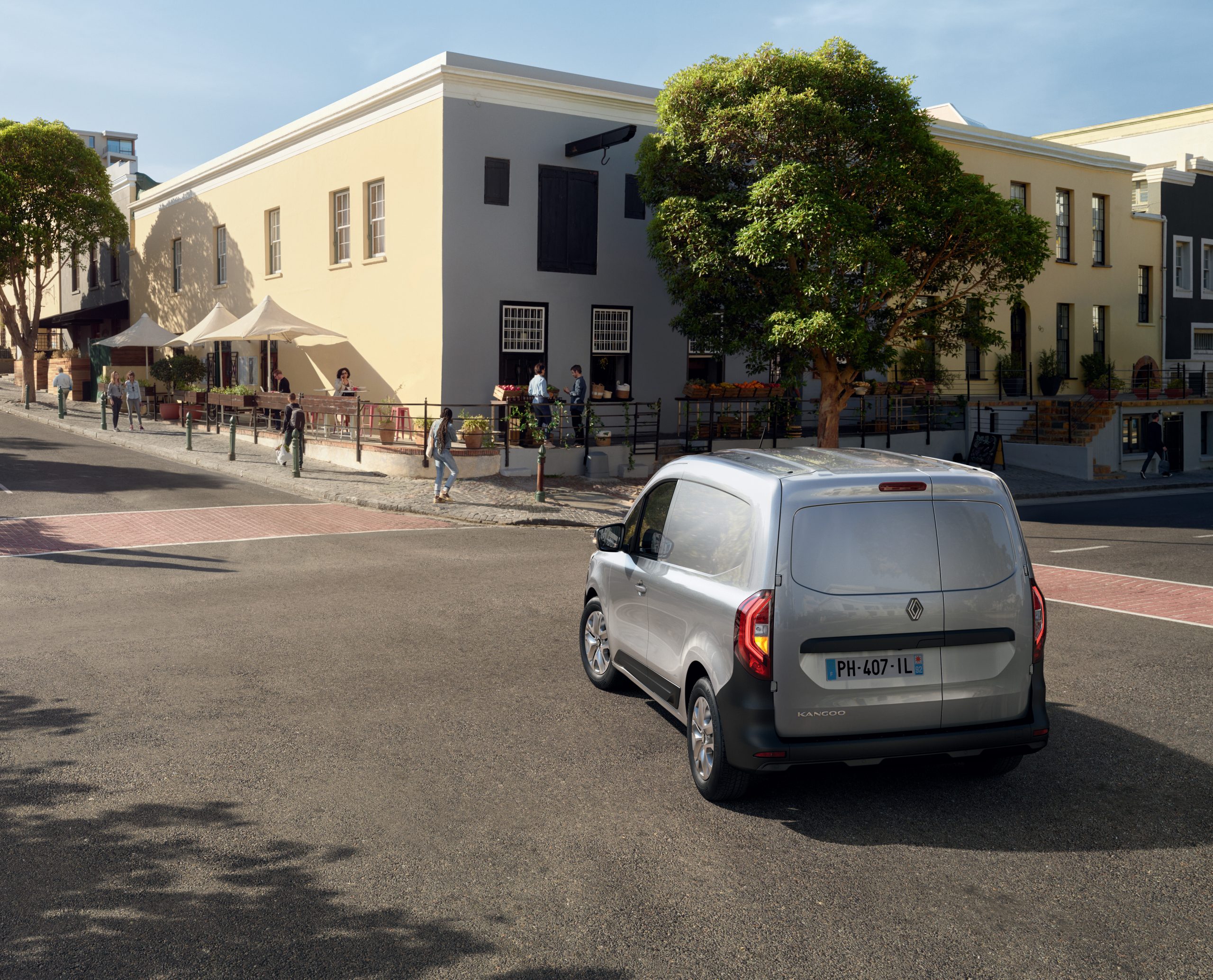
We compare the best-selling diesel small vans in Spain using real-world consumption data, payload and price under 30,000 euros
Buying a small van as a self-employed professional is not an aesthetic decision. It is a spreadsheet on wheels. Real-world consumption, payload and maintenance costs weigh far more than any touchscreen, and this is where diesel still beats the other fuels in the light commercial segment, at least for anyone who drives many kilometres a month.
We have reviewed six models sold in Spain today for less than 30,000 euros, focusing on what really matters: how much they consume outside the WLTP laboratory and what it costs to own them for five years.
What a self-employed driver needs from a van in 2026
Three things, basically. Low consumption in mixed driving, because most vans combine urban deliveries with trips on the road. Sufficient payload without pushing up the price. And a wide network of workshops, because a van standing still on a Monday is money that doesn’t come in.
The homologated consumption figure is a useful guide, but self-employed owners of these vans report figures between 10% and 20% above the WLTP value in urban use with a load. We have taken this into account when scoring.
Ranking 2026: the 6 small diesel vans with the best real-world consumption
1. Peugeot Partner Diésel 100 from 23,068 €
The Partner remains the reference in the segment for its balance. Its 1.5 BlueHDi with 102 CV performs well both loaded and empty, and in mixed driving it averages around 6 l/100 km in real use compared with the 5.3 homologated. It is not the cheapest on the list, but its residual value and after-sales network make up for that difference over five years.
| Model | Power (kW) | Power (CV) | Consumption | Label | Fuel |
|---|---|---|---|---|---|
| Peugeot Partner Diésel 100 | 75 kW | 102 CV | 5.3 l/100 km (WLTP) | C | Diesel |
2. Citroën Berlingo Diésel 100 from 24,232 €
Mechanically it is a close cousin of the Partner, sharing its platform and engine, but its entry price is usually a few hundred euros lower in dealer promotions. For a self-employed driver who prioritises acquisition cost over brand nuance, the Berlingo is the most sensible option in the Stellantis group.
| Model | Power (kW) | Power (CV) | Consumption | Label | Fuel |
|---|---|---|---|---|---|
| Citroën Berlingo Diésel 100 | 75 kW | 102 CV | 5.4 l/100 km (WLTP) | C | Diesel |
3. Opel Combo 1.5 Diesel 100 CV from 28,038 €
The Combo offers something the rest of the group lacks: a touch of German sobriety in its interior finish, although mechanically it does not differ by a millimetre from its French sisters. Its real-world city consumption with partial load ranges between 5.8 and 6.2 l/100 km, an honest figure for a vehicle of this size.
| Model | Power (kW) | Power (CV) | Consumption | Label | Fuel |
|---|---|---|---|---|---|
| Opel Combo 1.5 Diesel 100 CV | 75 kW | 100 CV | 5.5 l/100 km (WLTP) | C | Diesel |
4. Fiat Doblò 1.5 Multijet 100 CV from 21,200 €
The Doblò comes last in entry price in the Stellantis quartet, and this shows in its standard equipment, which is a little more basic. In return, its rear suspension handles maximum load better than its siblings, something any plumber or electrician appreciates when the boot is genuinely full.
| Model | Power (kW) | Power (CV) | Consumption | Label | Fuel |
|---|---|---|---|---|---|
| Fiat Doblò 1.5 Multijet 100 CV | 74 kW | 100 CV | 5.6 l/100 km (WLTP) | C | Diesel |
5. Renault Kangoo Blue dCi 95 from 29,514 €
The Kangoo is priced higher than the rest, but its body design noticeably reduces motorway consumption. It is the van on this list that performs best at steady cruising speed, although in the city it loses part of that advantage to the Partner.
| Model | Power (kW) | Power (CV) | Consumption | Label | Fuel |
|---|---|---|---|---|---|
| Renault Kangoo Blue dCi 95 | 70 kW | 95 CV | 5.2 l/100 km (WLTP) | C | Diesel |
6. Dacia Jogger ECO-G from 18,990 €: the alternative that breaks the rule
It has to be said plainly: the Jogger is not diesel, Dacia no longer sells diesel in Spain. But it makes this ranking because its petrol version combined with LPG offers a cost per kilometre that can genuinely compete head-to-head with the diesels on the list, at a much lower entry price. It does not have the cargo volume of a pure van; it is a family estate with a large boot, so it is worth being clear about this before comparing apples with oranges.
| Model | Power (kW) | Power (CV) | Consumption | Label | Fuel |
|---|---|---|---|---|---|
| Dacia Jogger ECO-G | 88 kW | 120 CV | 7.5 l/100 km (WLTP, LPG) | ECO | LPG |
Comparison table: consumption, price and score
| Model | Price from | WLTP consumption | Label | Score /10 |
|---|---|---|---|---|
| Peugeot Partner Diésel 100 | 23,068 € | 5.3 l/100 km | C | 8.6 |
| Citroën Berlingo Diésel 100 | 24,232 € | 5.4 l/100 km | C | 8.5 |
| Opel Combo 1.5 Diesel 100 | 28,038 € | 5.5 l/100 km | C | 8.2 |
| Fiat Doblò 1.5 Multijet 100 | 21,200 € | 5.6 l/100 km | C | 7.9 |
| Renault Kangoo Blue dCi 95 | 29,514 € | 5.2 l/100 km | C | 8.0 |
| Dacia Jogger TCe GLP | 18,990 € | 7.5 l/100 km | ECO | 7.4 |
Real-world vs homologated WLTP consumption: the fine print that decides TCO
The gap between laboratory and road is no minor detail for anyone who drives 25,000 or 30,000 km a year. A diesel that shows 5.3 l/100 km homologated and delivers 6.1 in real urban deliveries with frequent stops means, over a year, several hundred euros of difference. That is why, if use is mainly urban, it is also worth considering the options we already analysed in our guide to choosing a small van for mixed city-and-road use, where the weight of the city changes the calculation considerably.
Total cost of ownership and available aid
The purchase price is only half of the equation. Maintenance, commercial-use insurance and five-year depreciation make up the other half, and here the Stellantis group still has an advantage thanks to its volume of workshops. For anyone managing a fleet or several delivery vehicles, the approach of total cost per kilometre, which we already covered when analysing vehicles for transfer companies, is a criterion that carries over almost without caveats to this segment.
It is also worth checking whether the chosen vehicle meets the current conditions of the Plan Auto+, the public purchase aid that replaced the former subsidy scheme. Amounts and requirements change frequently, so the most reliable step is to consult the official website before signing.
Frequently asked questions
What is the cheapest diesel small van under 30,000 euros in 2026?
The Fiat Doblò 1.5 Multijet 100 usually starts at the lowest price within the group of homologated diesels, at around 19,400 euros in its base version excluding taxes.
Is an LPG or petrol van worth it for a self-employed driver compared with diesel?
It depends on annual mileage. Above 20,000 km a year, diesel still justifies its higher initial cost better; below that, options such as the Dacia Jogger LPG can work out more profitable overall.
Which diesel small van has the lowest real-world motorway consumption?
The Renault Kangoo Blue dCi 95 performs best at steady motorway speed, thanks to its aerodynamics, although in the city the Peugeot Partner regains the advantage.
Do these vans still receive Plan Auto+ aid in 2026?
Some models may qualify depending on their environmental label and declared use, but the conditions vary and should be checked directly on the plan’s official website before making a purchase decision.
Technical specifications of the cars in this article
 Kia offers an electric range of 10 models, 50 versions and 400 possible combinations
 The seven finalists for the 2027 European Car of the Year (COTY) are exclusively electric
 Peugeot E-208 GTi: a battery-powered toy that revives the spirit of the 1980s sports cars
Deja un comentario