Austral C-HR CR-V Honda Hyundai KIA Nissan Qashqai RAV4 Renault Santa Fe Sorento Sportage Toyota Tucson ZR-V Hybrid Cars Comparisons Family Rankings SUV
Ranking 2026: the 6 family hybrid SUVs with the best five-year total cost of ownership
 Iván Navarro
27 November 2026
5 min.
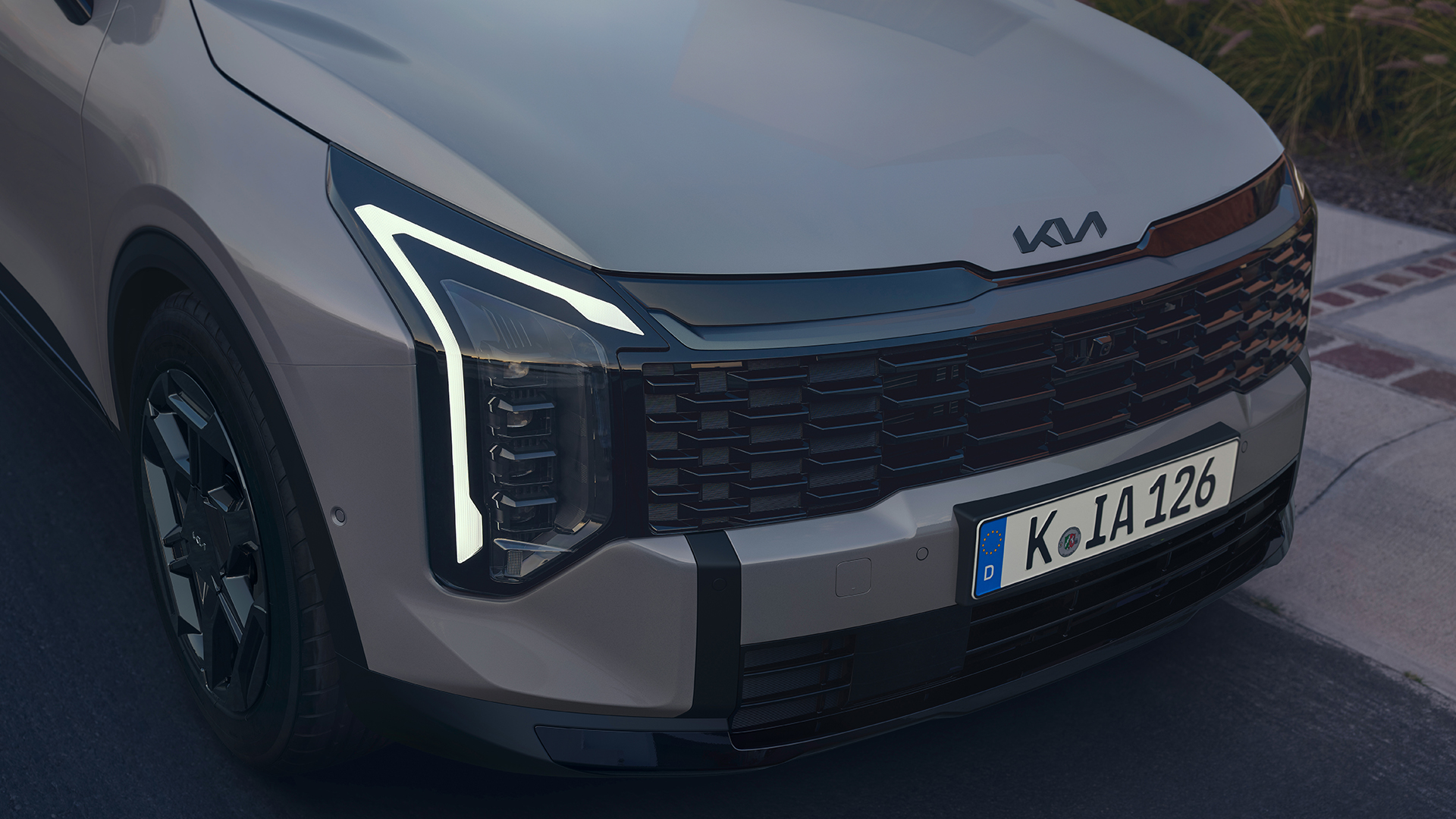
Buying a family hybrid SUV in 2026 is no longer just about looking at the sticker price. The real cost appears afterwards, spread over five years of depreciation, servicing, insurance and the fuel that is no longer burned but still paid for. We have cross-referenced purchase price, WLTP consumption, official maintenance, average insurance for a family profile and Spanish taxation to rank six models that compete on the same dealership showroom floor. The result does not always match the best sellers.
How we calculated the five-year total cost of ownership
The methodology combines five variables with different weighting: estimated depreciation at 60 months and 75,000 km (the heaviest factor, up to 40% of the TCO), weighted average consumption between urban and road cycles, maintenance costs according to each brand’s official plans, average comprehensive insurance premium for a typical driver and current taxation — registration tax reduced or nil for ECO label, IVTM according to fiscal horsepower. We do not include the Plan Auto+ in the base calculation because its amount varies by autonomous community and call for proposals, although it is worth checking the official website before signing: it can shift the TCO by several hundred euros in the buyer’s favour.
Ranking 2026: the 6 family hybrid SUVs with the best total cost of ownership
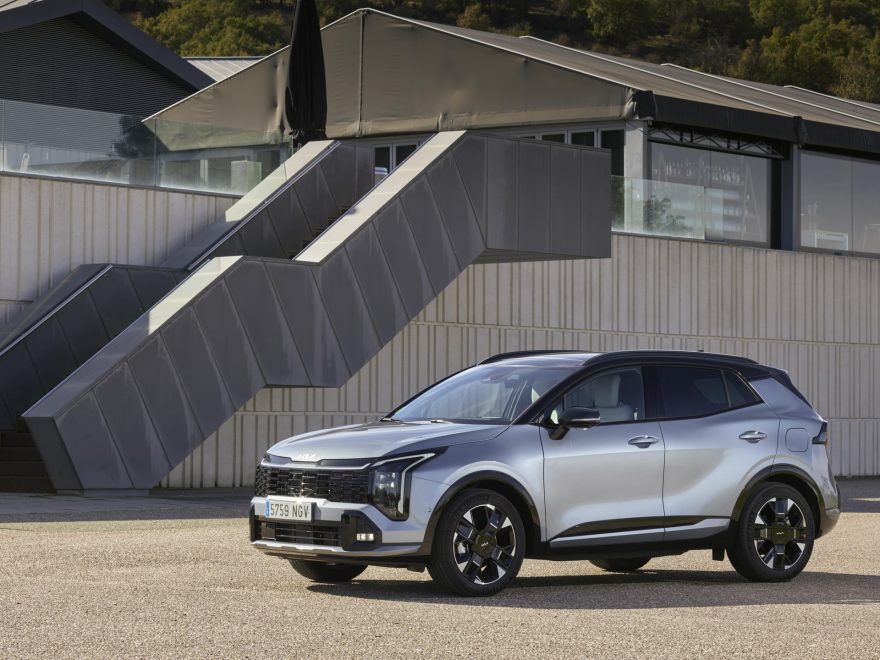
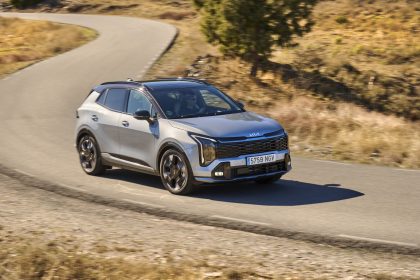
1. Kia Sportage Hybrid — from €35,131
It wins on combination, not on being the cheapest at the outset. The seven-year warranty that Kia offers in Spain drastically reduces spending on mechanical surprises during the period that matters most for TCO, and its depreciation remains stable thanks to growing demand in the used market.
| Power (kW) | Power (CV) | WLTP consumption | Label | Fuel |
|---|---|---|---|---|
| 176 kW | 239 CV | 5.5 l/100 km | ECO | Hybrid |
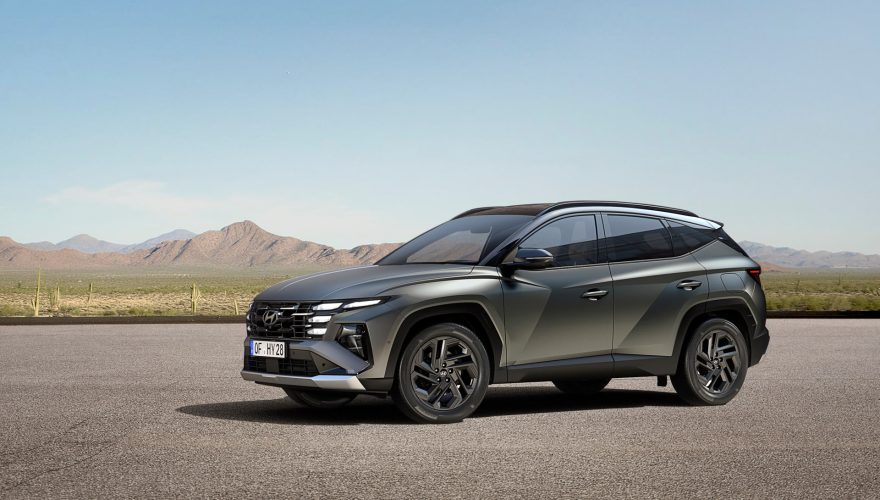
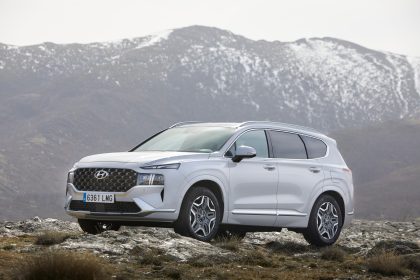
2. Hyundai Tucson Hybrid — from €40,775
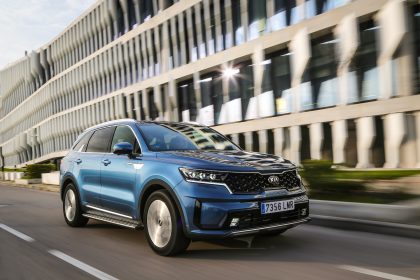
It is hot on the heels of the Sportage with very similar mechanics under a different body. Its average insurance comes out slightly cheaper in our simulations, although the official workshop network is slightly less dense than that of Kia in rural areas, a nuance that matters if you live far from a provincial capital. Anyone torn between the two Koreans would also do well to look at the duel between the Hyundai Santa Fe and the Kia Sorento, where the pricing pattern repeats one step up.
| Power (kW) | Power (CV) | WLTP consumption | Label | Fuel |
|---|---|---|---|---|
| 176 kW | 239 CV | 5.6 l/100 km | ECO | Hybrid |
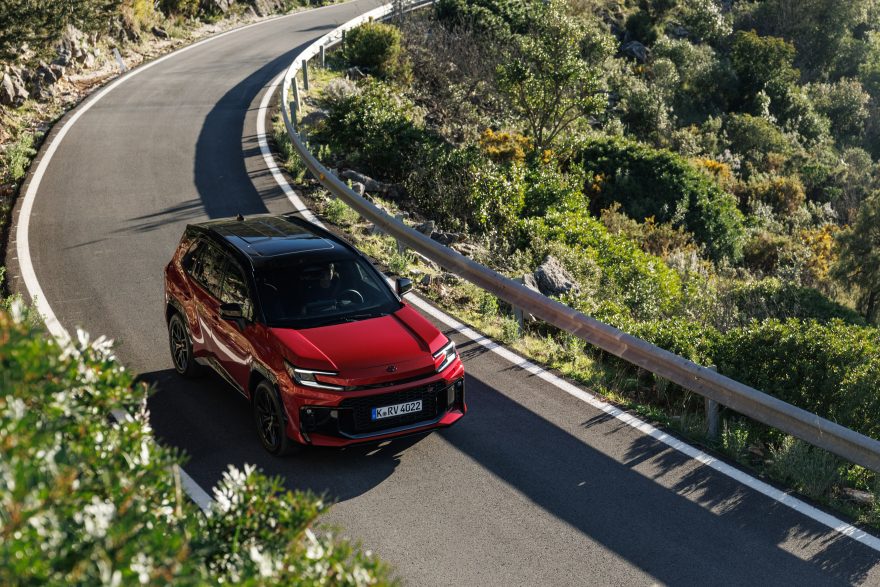
3. Toyota RAV4 — from €43,500
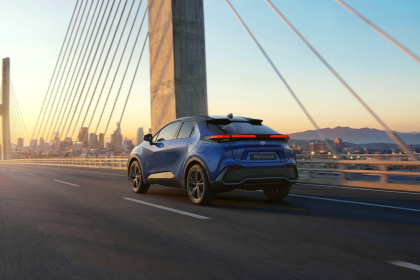
It is the most expensive at entry of the top three and yet it makes the podium for one very specific reason: its five-year residual value is by far the best in this ranking. Toyota depreciates little and that offsets a starting price that puts many people off. A similar case, on a different scale, is something we already analysed in the Toyota C-HR versus the Honda ZR-V.
| Power (kW) | Power (CV) | WLTP consumption | Label | Fuel |
|---|---|---|---|---|
| 136 kW | 185 CV | 4.9 l/100 km | ECO | Hybrid |

4. Nissan Qashqai e-Power — from €31,650
The e-Power system — a petrol engine acting as a generator, with propulsion always electric — gives a driving experience different from a conventional hybrid, almost like a pure electric in the city. Consumption is good at 4.3 l/100 km WLTP, but the Qashqai’s depreciation still does not match that of its Korean or Japanese rivals, and that costs it a couple of positions in the final TCO.
| Power (kW) | Power (CV) | WLTP consumption | Label | Fuel |
|---|---|---|---|---|
| 151 kW | 205 CV | 4.3 l/100 km | ECO | Hybrid |
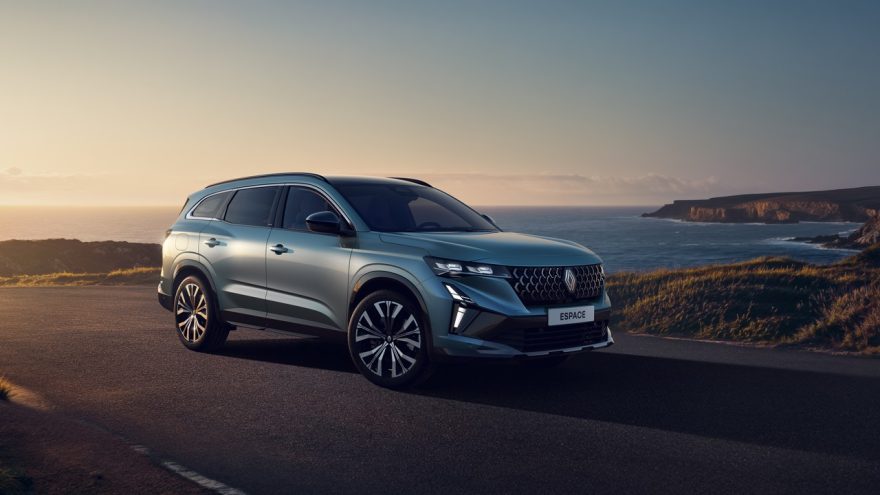
5. Renault Austral E-Tech full hybrid — from €31,731
Its homologated consumption is very modest at 4.7 l/100 km on average, which should place it higher. But the cost of maintenance outside warranty and an insurance premium slightly above the segment average take points away when the full five-year calculation is done.
| Power (kW) | Power (CV) | WLTP consumption | Label | Fuel |
|---|---|---|---|---|
| 146 kW | 200 CV | 4.7 l/100 km | ECO | Hybrid |
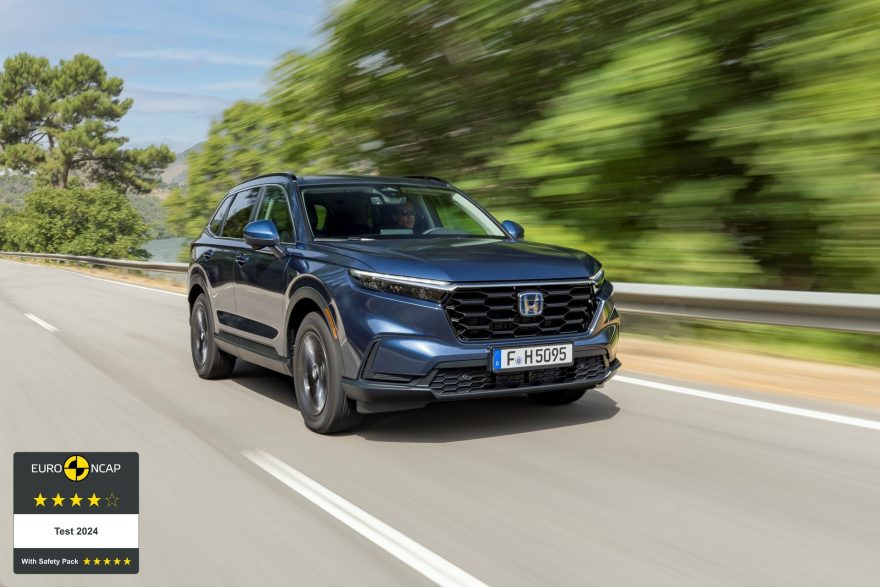
6. Honda CR-V e:HEV — from €45,445
It closes the ranking not because it is a worse car — in fact, it is one of the most comfortable on the motorway in the group — but because its entry price is by far the highest. Neither its legendary reliability nor its good resale value fully compensate for those more than €10,000 of difference compared with the Sportage.
| Power (kW) | Power (CV) | WLTP consumption | Label | Fuel |
|---|---|---|---|---|
| 135 kW | 184 CV | 6.0 l/100 km | ECO | Hybrid |
Comparative summary table
| Model | Price from | WLTP consumption | Label | TCO score (1-10) |
|---|---|---|---|---|
| Kia Sportage Hybrid | €35,131 | 5.5 l/100 km | ECO | 9.2 |
| Hyundai Tucson Hybrid | €40,775 | 5.6 l/100 km | ECO | 9.0 |
| Toyota RAV4 | €43,500 | 4.9 l/100 km | ECO | 8.6 |
| Nissan Qashqai e-Power | €31,650 | 4.3 l/100 km | ECO | 8.1 |
| Renault Austral E-Tech full hybrid | €31,731 | 4.7 l/100 km | ECO | 7.8 |
| Honda CR-V e:HEV | €45,445 | 6.0 l/100 km | ECO | 7.2 |
Which variables weigh most in the total cost of ownership
Depreciation rules, no question. A car that loses 10% more of its value than its direct rival over five years can wipe out, in one stroke, what it saves on fuel over that same period. Real consumption matters, but less than advertising would have us believe: the difference between the best and worst in this ranking is barely 1.7 l/100 km, a figure that over 75,000 km amounts to little more than 1,000 euros. Maintenance and insurance, on the other hand, do make differences of several thousand euros in total, especially when the extended warranty comes into play.
Frequently asked questions
Which family hybrid SUV is most cost-effective over five years in Spain?
According to our total cost of ownership calculation, the Kia Sportage Hybrid tops the ranking thanks to its competitive entry price, its seven-year warranty and controlled depreciation.
Does the Toyota RAV4 justify its higher price in the long run?
To a large extent, yes. Its low depreciation narrows the gap with rivals that are cheaper at the outset, although it does not quite overtake them in the final five-year tally.
Does the Plan Auto+ affect this ranking?
It can noticeably reduce the initial outlay, but since it varies by autonomous community and call for proposals, we have not included it in the base calculation. It is worth checking before closing the purchase.
How much does real consumption weigh against depreciation in the TCO?
Less than it seems. Depreciation can account for up to 40% of the five-year total cost, whereas the consumption differences between these six models amount to only a few hundred euros in total.
Technical specifications of the cars in this article

 Kia offers an electric range of 10 models, 50 versions and 400 possible combinations
 The seven finalists for the 2027 European Car of the Year (COTY) are exclusively electric
 Peugeot E-208 GTi: a battery-powered toy that revives the spirit of the 1980s sports cars
Deja un comentario