Audi BMW Porsche Volvo Hybrid Cars Rankings SUV
Ranking 2026: the 6 most efficient premium plug-in hybrid SUVs with 400 V electrical architecture
 Jaime Gomez
3 August 2026
6 min.
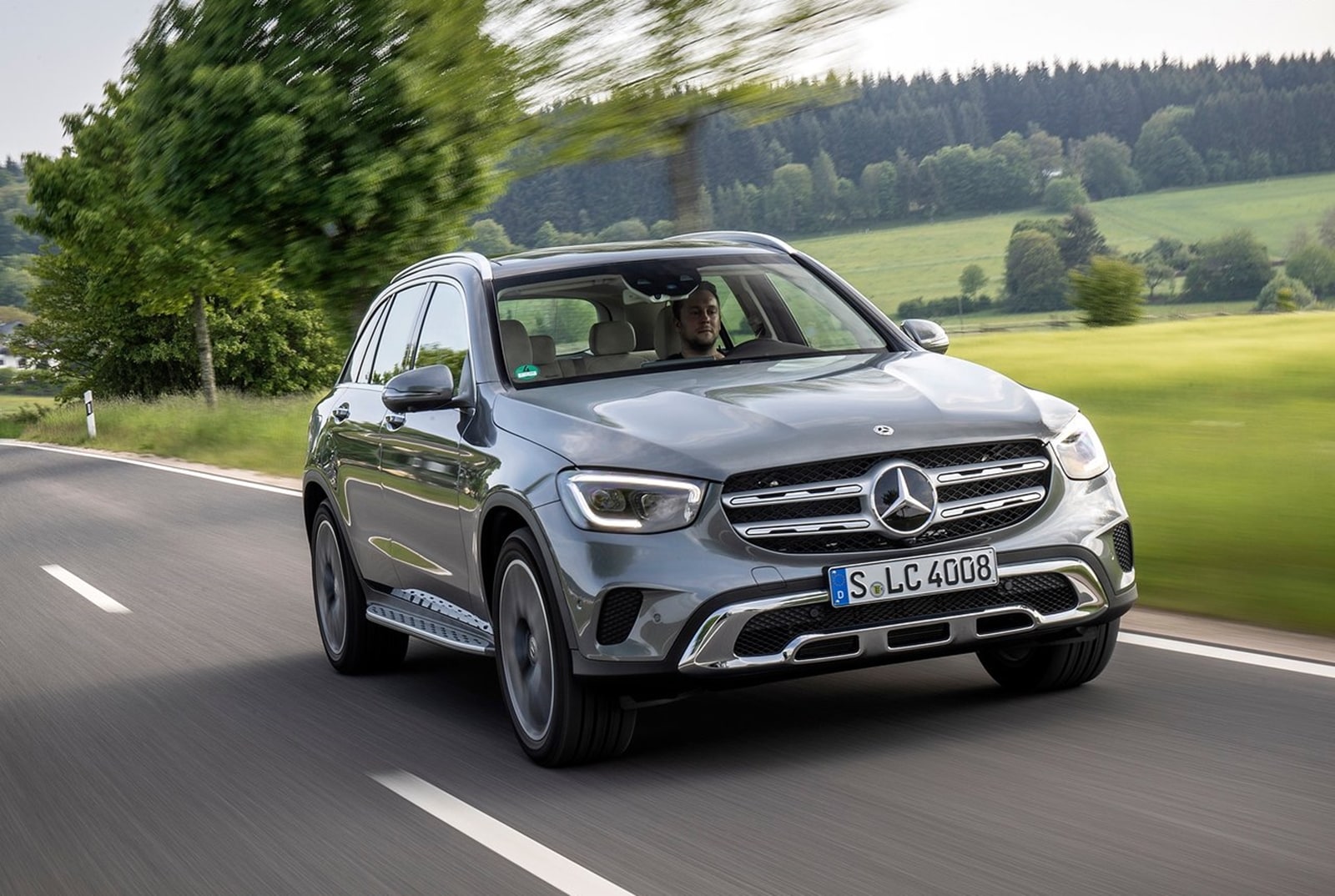
We analyse the six premium plug-in hybrid SUVs on sale in Spain that make the best use of the 400 V electrical architecture. Technical ranking, specification sheets and editorial assessment.
The 400 V electrical architecture has quietly become the standard for the premium plug-in hybrid SUV. It is not as glamorous as the 800 V systems of the new generation of pure electric cars, but for a well-engineered PHEV it is more than sufficient: it allows high-energy-density batteries, reasonable DC fast charging and, above all, fine thermal management that translates into the one thing the demanding customer really cares about — real electric range and credible WLTP consumption.
Before getting into it, an editorial note: we have left the plug-in hybrid offering from BYD out of this ranking. Not because of its figures — some of them are notable — but because, in our editorial judgement, other premium brands in the segment now offer a more refined electromechanical integration and a driving feel better suited to the expectations of the European customer. It remains pending a review once the brand refines the dynamic setup of its PHEV range in Europe.
Why the 400 V architecture dominates the premium plug-in hybrid
In a PHEV, 800 V brings little in real life. The battery is small (between 20 and 40 kWh usable) and the car spends most of its time with the combustion engine assisting. What does make the difference is how the available voltage is managed: cell cooling, regenerative braking, sustained output from the electric motor and, especially, the ability to keep pure EV mode without the combustion unit kicking in at the first acceleration. That is where the six models in this ranking take a step forward.
Mercedes-Benz GLC 400e — from €78,500
The GLC 400e is, in our view, the most rounded example of how to integrate a PHEV into a mid-size premium SUV. A 31.2 kWh gross battery, more than 130 km WLTP in electric mode and thermal management that copes well with intensive use of EV mode in summer. The thermal-to-electric transition is practically imperceptible. That said, the boot pays a toll compared with the diesel GLC — manageable, but worth knowing before you sign.
| Power kW | Power CV | Top speed | EV range | WLTP consumption | Label | Fuel |
|---|---|---|---|---|---|---|
| 280 kW | 381 CV | 218 km/h | 130 km | 0.6 l/100 km | 0 emissions | PHEV |
BMW X5 xDrive50e — from €92,400
The X5 xDrive50e plays in a different league in size and presence. Its turbocharged straight-six combines with an electric motor integrated into the Steptronic gearbox for 490 CV combined, and the 25.7 kWh usable battery delivers around 100 km of electric range WLTP. What we like most is how BMW has refined the torque split between axles once the battery drops below 20% — many rivals fall apart there, this one doesn’t. Real consumption on a long journey with a depleted battery: around 8.5 l/100 km. It’s not magic, it’s applied engineering.
| Power kW | Power CV | Top speed | EV range | WLTP consumption | Label | Fuel |
|---|---|---|---|---|---|---|
| 360 kW | 490 CV | 250 km/h | 100 km | 1.2 l/100 km | 0 emissions | PHEV |
Volvo XC90 T8 Recharge — from €86,900
The XC90 T8 has been on the market for years and remains a benchmark for one reason: its 400 V architecture is so refined that the 2026 update could focus on fine-tuning software rather than redoing hardware. 71 km of homologated electric range, an 18.8 kWh battery and 455 CV combined. Less ambitious than the X5 on raw figures, more balanced in everyday use. The smoothness of the whole package is what wins you over.
| Power kW | Power CV | Top speed | EV range | WLTP consumption | Label | Fuel |
|---|---|---|---|---|---|---|
| 335 kW | 455 CV | 180 km/h | 71 km | 1.3 l/100 km | 0 emissions | PHEV |
Range Rover Sport P550e — from €128,800
The P550e is the most aristocratic take on the large PHEV. A 38.2 kWh gross battery — the largest in this ranking — which is homologated at 113 km WLTP and accepts DC fast charging up to 50 kW, something rare among plug-in hybrids. On a weekend Madrid–Ávila return trip, with overnight charging, it is perfectly feasible not to burn a single litre of petrol. It is heavy, yes, but the battery thermal management is among the best we have tested in the segment.
| Power kW | Power CV | Top speed | EV range | WLTP consumption | Label | Fuel |
|---|---|---|---|---|---|---|
| 404 kW | 550 CV | 242 km/h | 113 km | 0.8 l/100 km | 0 emissions | PHEV |
Porsche Cayenne E-Hybrid — from €104,500
The Cayenne E-Hybrid, updated for 2026, has grown its battery (25.9 kWh usable) and above all its AC charging power — it now accepts 11 kW, which changes daily use more than it might seem. 90 km of electric range, 470 CV combined and a steering feel that remains a reference point. In EV mode, the throttle response is cleaner than any rival analysed here. It is the one that best hides the fact that there is a combustion engine underneath.
| Power kW | Power CV | Top speed | EV range | WLTP consumption | Label | Fuel |
|---|---|---|---|---|---|---|
| 346 kW | 470 CV | 254 km/h | 90 km | 1.4 l/100 km | 0 emissions | PHEV |
Lexus RX 450h+ — from €82,900
Lexus comes to this ranking with a different proposition. The RX 450h+ prioritises refinement and real-world consumption over dazzling figures: 309 CV combined, an 18.1 kWh battery and around 65 km of electric range WLTP. The 400 V architecture of Toyota is calibrated to last — the brand knows a thing or two about this — and the result is an SUV that behaves like an EV in town and returns consumption below 6 l/100 km on the motorway without effort. It is not the fastest. It is one of the most honest.
| Power kW | Power CV | Top speed | EV range | WLTP consumption | Label | Fuel |
|---|---|---|---|---|---|---|
| 227 kW | 309 CV | 200 km/h | 65 km | 1.1 l/100 km | 0 emissions | PHEV |
Summary table and editorial score
| Model | Power CV | EV range | Usable battery | WLTP consumption | Price from | Score /10 |
|---|---|---|---|---|---|---|
| Mercedes-Benz GLC 400e | 381 | 130 km | ~24 kWh | 0.6 l | €78,500 | 9.1 |
| Range Rover Sport P550e | 550 | 113 km | ~31 kWh | 0.8 l | €128,800 | 8.9 |
| BMW X5 xDrive50e | 490 | 100 km | 25.7 kWh | 1.2 l | €92,400 | 8.8 |
| Porsche Cayenne E-Hybrid | 470 | 90 km | 25.9 kWh | 1.4 l | €104,500 | 8.6 |
| Volvo XC90 T8 Recharge | 455 | 71 km | 18.8 kWh | 1.3 l | €86,900 | 8.2 |
| Lexus RX 450h+ | 309 | 65 km | 18.1 kWh | 1.1 l | €82,900 | 8.0 |
Frequently asked questions
What real advantages does the 400 V architecture bring to a premium plug-in hybrid SUV?
It allows better management of the electric motor’s power, keeps EV mode during strong acceleration without the combustion engine starting, and cools the battery more effectively. In practice, this translates into higher WLTP electric ranges and more contained real-world consumption when the battery is depleted.
Is a premium PHEV worth it compared with a pure electric car in 2026?
It depends on use. For those who make frequent long journeys or have no reliable charging at their destination, a well-tuned PHEV — like the six in this ranking — remains more versatile. For urban and suburban use with guaranteed charging, a pure electric car is usually the more cost-effective choice.
Which is the most efficient premium hybrid SUV in this ranking?
On declared WLTP consumption, the Mercedes-Benz GLC 400e with 0.6 l/100 km leads, supported by its 130 km of electric range. On real consumption with a depleted battery, the Lexus RX 450h+ sits among the most contained thanks to its hybrid powertrain from Toyota.
Do these plug-in hybrid SUVs qualify for the DGT 0-emissions label?
Yes. All exceed 40 km of homologated WLTP electric range, the minimum threshold for the 0-emissions label in Spain, with free access to ZBE zones and associated tax benefits in most autonomous communities.

 Peugeot E-208 GTi: a battery-powered toy that revives the spirit of the 1980s sports cars
 New Lexus ES: luxury grows and goes electric
 First contact with the Dacia Sandero Hybrid 155: power and efficiency from €19,890
Deja un comentario