Ranking 2026: the 7 family electric SUVs with the best interior design and perceived quality on board
 Dani Montesinos
6 August 2026
6 min.
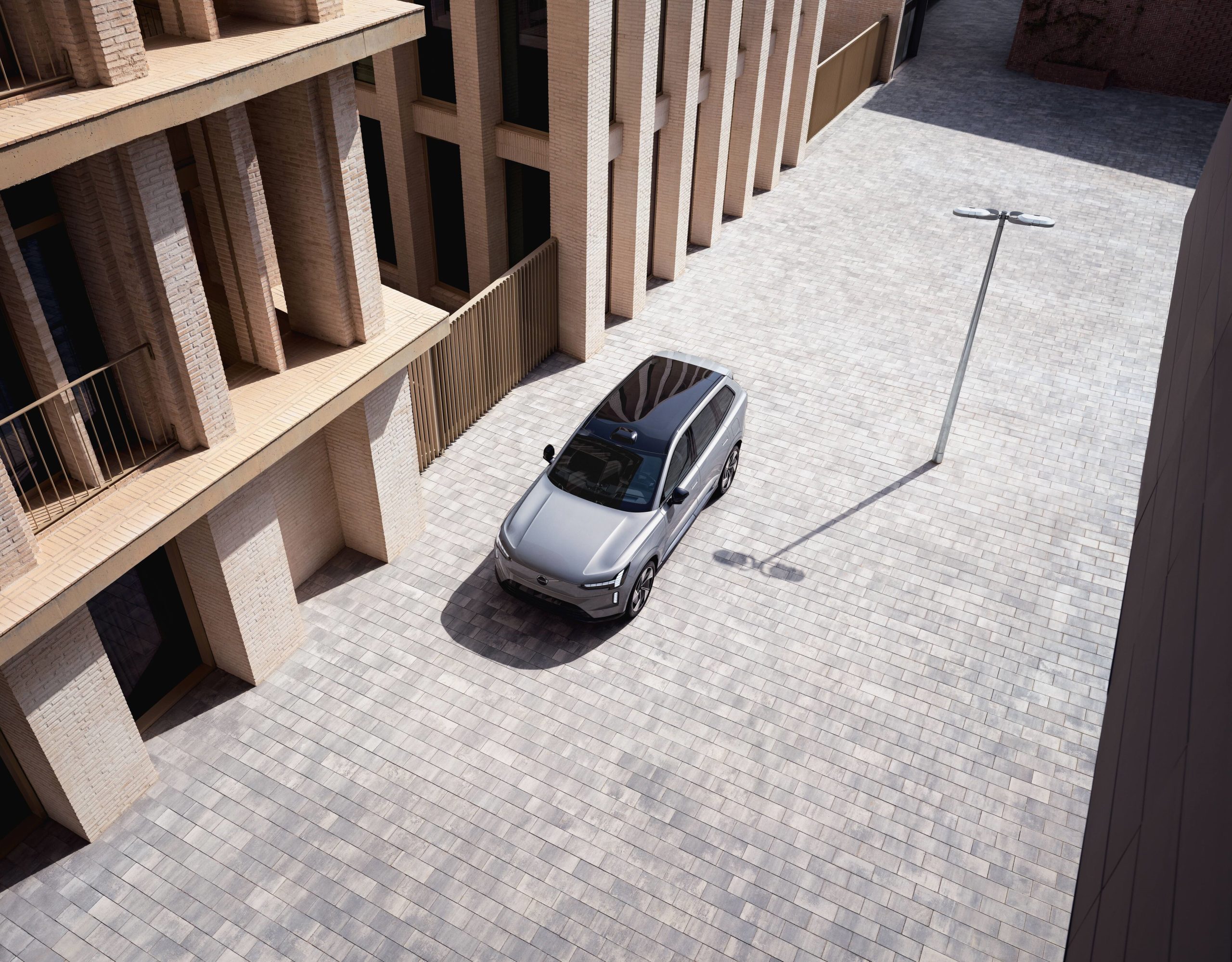
We analyse the seven family electric SUVs with the best interiors on sale in Spain in 2026, assessing materials, ergonomics and the premium feel on board.
There is a moment, when you close the door of a premium electric SUV, when you know whether the car is going to live up to expectations or not. The thud of the door. The feel of the steering wheel. How the light falls across the dashboard. Perceived quality is decided in those seconds before you start the engine, long before range or kW matter. And in 2026, with the electric avalanche now well established, the interior has become the real battleground among the best family electric SUVs 2026.
We have evaluated seven models currently sold in Spain, looking at materials, ergonomics, HMI integration, sound insulation and real usable space. This is not a ranking of spec sheets: it is what you feel on board.
How we evaluated interior design and perceived quality
Five weighted variables: material feel (30%), ergonomics and control layout (20%), technology and HMI integration (20%), sound insulation and refinement at cruising speed (15%) and usable space (15%). No official photos — everything was assessed with real seat time, mixed journeys and night-time tests to judge ambient lighting. A detail that usually gives away the mediocre car: how the plastics behave in the lower part of the doors, where the manufacturer assumes nobody looks.
Volvo EX90 — from €89,556
The Swedish model goes straight for the podium. Its cabin embraces a Scandinavian calm that you notice the moment you sit down: recycled Nordico wool with an almost textile, noble texture, decorative wood illuminated from behind, and a cruising silence that borders on well-done electric-classic. The 14.5-inch central screen concentrates too much — we miss the physical buttons that Mercedes has already committed to reintroducing — but the integrated Google software works without friction. Usable third row for adults on medium-length trips.
| Power kW | Power hp | Top speed | Range | Consumption | Emissions label | Fuel |
|---|---|---|---|---|---|---|
| 335 kW | 456 CV | 180 km/h | 617 km | 19.4 kWh/100 km | Zero | Electric |
BMW iX — from €107,900
It polarises, yes. But few cabins convey that mix of cutting-edge and craftsmanship. The cut-crystal gear selector, the rotary iDrive (still physical!), open-pore wood and technical fabrics make the iX an island of detail. The dual curved display is easy to read and the HUD remains a benchmark. In my view, the hexagonal steering wheel is debatable. Everything else is an exercise in confidence in well-understood German quality.
| Power kW | Power hp | Top speed | Range | Consumption | Emissions label | Fuel |
|---|---|---|---|---|---|---|
| 400 kW | 544 CV | 200 km/h | 701 km | 21.0 kWh/100 km | Zero | Electric |
Mercedes-Benz EQE SUV — from €83,245
The optional Hyperscreen remains a visual spectacle — three screens under a continuous pane of glass — although not everyone will buy it and the standard version does the job. The atmosphere Mercedes is intact: 64-colour ambient lighting that avoids looking tacky, well-stitched Nappa leather, and sound insulation that on the motorway makes you lower your voice without noticing. The boot (520 litres), however, is modest for the exterior size.
| Power kW | Power hp | Top speed | Range | Consumption | Emissions label | Fuel |
|---|---|---|---|---|---|---|
| 195 kW | 265 CV | 210 km/h | 569 km | 18.5 kWh/100 km | Zero | Electric |
Audi Q6Audi Q6 e-tron — from €66,370
The PPE platform brings a real leap in refinement. Curved OLED panel, a passenger with their own screen, and a dashboard architecture that breathes clean geometry. The hard plastics are hidden where they should be. The detail that wins you over: the anodised aluminium trim around the air vents, with a cool, solid feel that only Audi manages to produce in series. Impeccable ergonomics.
| Power kW | Power hp | Top speed | Range | Consumption | Emissions label | Fuel |
|---|---|---|---|---|---|---|
| 185 kW | 252 CV | 210 km/h | 542 km | 15.7 kWh/100 km | Zero | Electric |
Kia EV9 — from €63,340
The Korean model plays in a different price league and still holds its head high. Its genuine seven-seat interior — not emergency seats — is an exercise in space efficiency: optional captain’s chairs that swivel, recycled textured surfaces of surprisingly good quality, and a cockpit of three aligned screens that works better than many German rivals. It lacks the feel of an iX, but for €20,000 less the argument is hard to refute. A clear case for large families who do 25,000 km a year.
| Power kW | Power hp | Top speed | Range | Consumption | Emissions label | Fuel |
|---|---|---|---|---|---|---|
| 282 kW | 384 CV | 185 km/h | 563 km | 22.8 kWh/100 km | Zero | Electric |
Hyundai Ioniq 5Hyundai Ioniq 5 — from €48,420
It crept into this ranking because its value for money inside the cabin is among the best in the segment. Clean design, a sliding centre console, recycled materials that don’t scream “recycled”, and ergonomics designed by adults. The HMI, shared in philosophy with the EV6 proposal, remains a benchmark for how quickly you learn it.
| Power kW | Power hp | Top speed | Range | Consumption | Emissions label | Fuel |
|---|---|---|---|---|---|---|
| 168 kW | 228 CV | 185 km/h | 570 km | 16.9 kWh/100 km | Zero | Electric |
Genesis GV60 — from €55,900
The Korean premium brand remains the quiet surprise. Its Crystal Sphere — the rotating sphere that reveals the gear selector — will sound like a gimmick, but the rest of the cabin is serious: micro-perforated leather, well-executed contrast stitching, and sound insulation a notch above what its price suggests. It doesn’t have seven seats, and that is its family handicap.
| Power kW | Power hp | Top speed | Range | Consumption | Emissions label | Fuel |
|---|---|---|---|---|---|---|
| 168 kW | 229 CV | 185 km/h | 561 km | 19.0 kWh/100 km | Zero | Electric |
Summary table and scores
| Model | Price from | Range | Materials | HMI | Space | Overall score |
|---|---|---|---|---|---|---|
| Volvo EX90 | €89,556 | 617 km | 9.2 | 8.0 | 9.0 | 9.0 |
| BMW iX | €107,900 | 701 km | 9.5 | 9.0 | 8.5 | 9.2 |
| Mercedes EQE SUV | €83,245 | 569 km | 9.0 | 8.8 | 7.8 | 8.7 |
| Audi Q6 e-tron | €66,370 | 542 km | 9.0 | 9.0 | 8.2 | 8.9 |
| Kia EV9 | €63,340 | 563 km | 8.0 | 8.5 | 9.5 | 8.7 |
| Hyundai Ioniq 5 | €48,420 | 570 km | 7.8 | 8.7 | 8.3 | 8.3 |
| Genesis GV60 | €55,900 | 561 km | 8.8 | 8.2 | 7.5 | 8.4 |
Frequently asked questions
Which family electric SUV has the best perceived quality in 2026?
The BMW iX leads our scoring thanks to the balance between craftsmanship materials (crystal, open-pore wood) and iDrive technology integration, closely followed by the Volvo EX90.
Which 7-seat family electric SUV offers the best interior?
The Kia EV9 is the benchmark for real usable space in the third row and cabin efficiency. The Volvo EX90 is more premium but also noticeably more expensive.
Is it worth paying for a premium electric if the Hyundai Ioniq 5 costs half as much?
It depends on use. For daily urban journeys the Ioniq 5 is more than enough. If you drive the motorway often, the superior sound insulation of an iX or EQE SUV is noticeable every week.
What should matter more in a premium electric interior: screens or materials?
In our view, materials age better than software. A 2026 screen will be obsolete in five years; hand-stitched Nappa leather will not.


 Peugeot E-208 GTi: a battery-powered toy that revives the spirit of the 1980s sports cars
 New Lexus ES: luxury grows and goes electric
 First contact with the Dacia Sandero Hybrid 155: power and efficiency from €19,890
Deja un comentario