The BMW iX5 Hydrogen begins rolling to gather real-world data through a small fleet
 David Lopez @espacionblanco
28 February 2023
2 min.
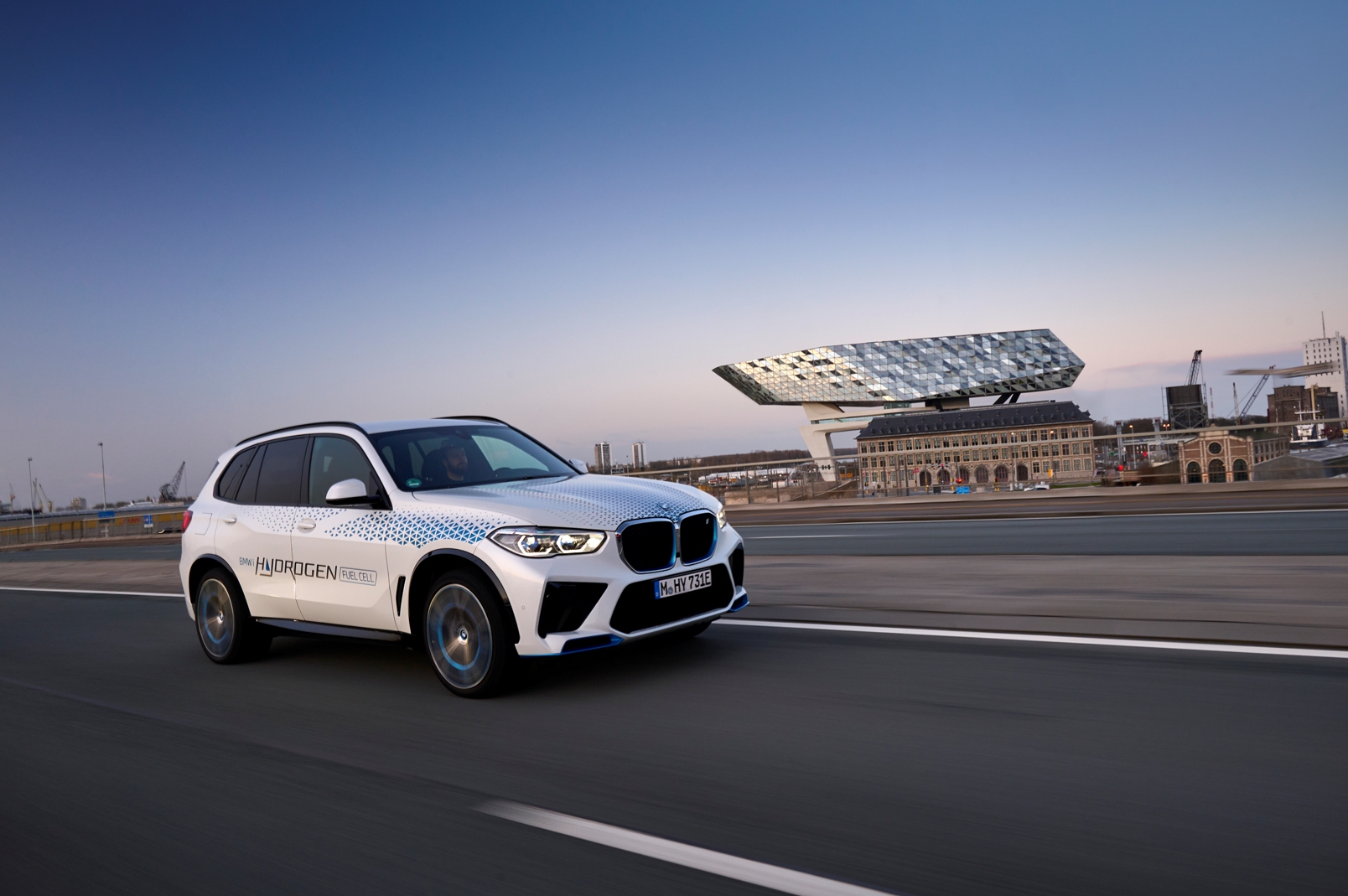
BMW announces that the iX5 Hydrogen will hit the road in a small fleet to be tested on an international scale by people outside BMW and its development
While manufacturers and governments try to force electric vehicles on us, several brands continue to back other types of electrification for their models. I am referring to the fuel cell or hydrogen, a strong commitment from very important brands that are not abandoning the development of this type of vehicle, such as Toyota or BMW. Precisely BMW is the protagonist this time, with the iX5 Hydrogen, which we have already talked about.
BMW has been developing the iX5 Hydrogen for four years, based on the current X5, which, apart from having its own exterior features and a specific instrument cluster, has been modified to house a fuel cell drive system that generates a continuous output of 170 CV, although the maximum output of the propulsion system is 401 CV, allowing it to reach 100 km/h in less than six seconds and reach a top speed of 180 km/h.
To power the fuel cell, the BMW iX5 Hydrogen uses two 700-bar hydrogen tanks, which are made of carbon fiber (CFRP), and which together store almost six kilograms of hydrogen, thus achieving a range of 504 kilometers according to the WLTP cycle. The great advantage of hydrogen is not only that it allows large ranges from the outset, but also that its tanks require only between three and four minutes to refill, very little more than filling our fuel tanks today.
The BMW iX5 Hydrogen is being manufactured at the company’s Munich plant, while the individual fuel cells are supplied by Toyota, a result of the professional relationship both companies have maintained since 2013, collaborating on fuel cell propulsion systems. In addition, other components such as the fuel cell housing or pressure plate, which supplies hydrogen and oxygen to the fuel cell, are manufactured in the light metal foundry at BMW’s Landshut plant.
Once all the components are assembled, they are installed in the iX5 Hydrogen along with the others needed for the whole system to function, leaving it fully ready to hit the road. This is exactly where BMW comes in, since it now wants to collect data and opinions on the iX5 Hydrogen from external sources, so this same year a small fleet of no more than 100 units will be used on an international scale, allowing people and groups outside BMW to test the iX5 Hydrogen firsthand and draw their own conclusions about what this vehicle can offer.


 Peugeot E-208 GTi: a battery-powered toy that revives the spirit of the 1980s sports cars
 New Lexus ES: luxury grows and goes electric
 First contact with the Dacia Sandero Hybrid 155: power and efficiency from €19,890
Deja un comentario