The EU rejected the Chinese proposal to sell only vehicles priced above 30,000 euros
 Javier Cantagalli
10 October 2024
2 min.
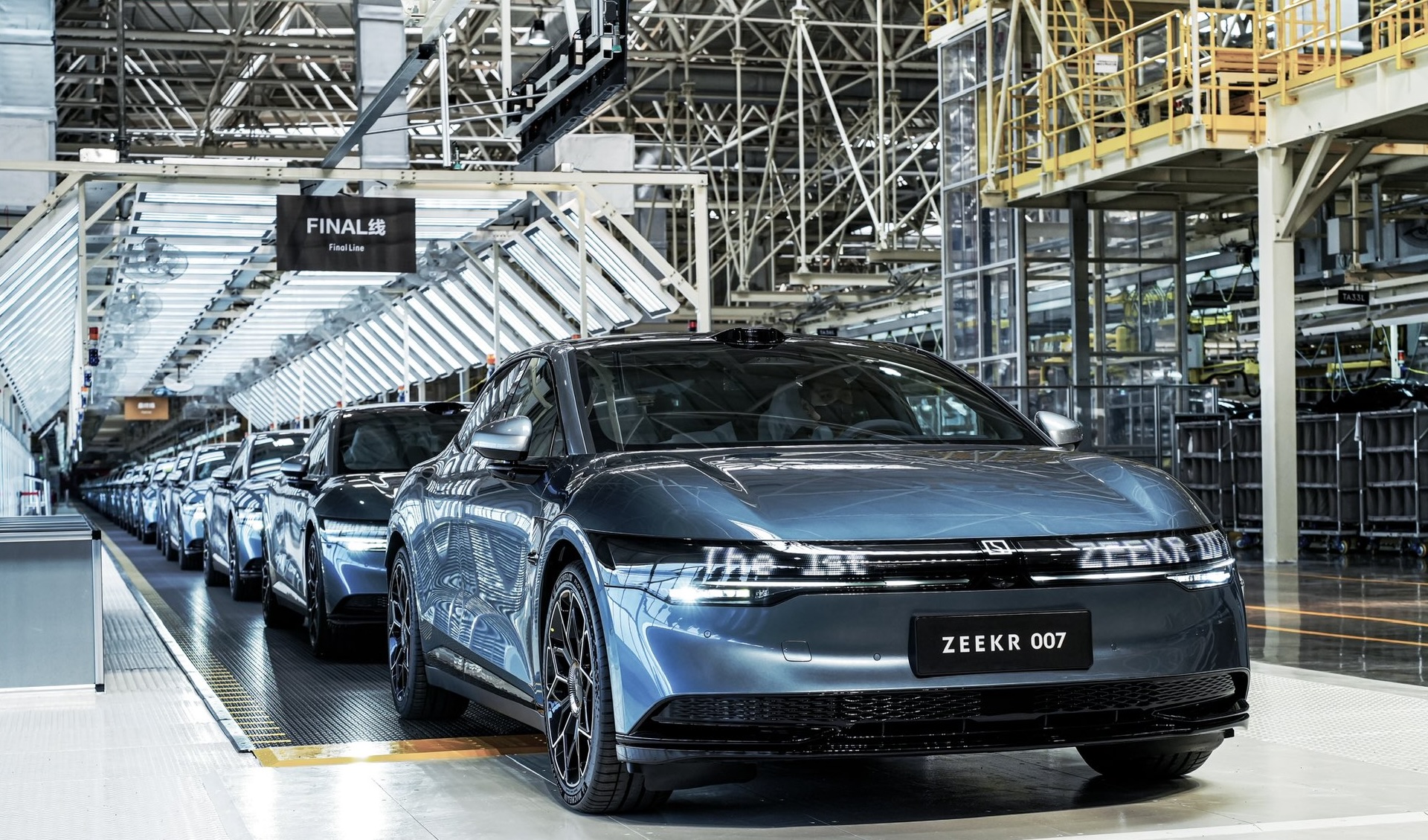
Although the imposition of special tariffs on electric vehicles from China has finally been ratified, there is still room for a negotiated solution.
Even though the European Union finally voted in favour of imposing special tariffs on electric vehicles from China, negotiations with the government of this Asian country continue. In this regard, a recent report indicates that the European Union has recently rejected the latest proposal put on the table by the Chinese, under which they committed to not selling electric vehicles on the European market at a price below 30,000 euros.
The negotiations have been truly arduous over the last few weeks, especially as the date of the vote, which took place in mid-September, drew closer. It was then that some Chinese electric vehicle manufacturers offered the European Commission their commitment to accept certain minimum selling prices in the EU in order to avoid the special tariffs. However, this offer was rejected by the Commission.
This rejection led EU member states to vote on 4 October on the Commission’s proposal to impose tariffs on electric vehicles manufactured in China. The majority of member states voted in favour, which means these tariffs should come into force in November.
This is not over yet
Despite this decision, discussions between the European Commission and the Chinese government continue, with the aim of finding an alternative solution. Germany has played a fundamental role in this process, consistently showing its opposition to applying these special tariffs.
This position is justified by the high degree of interdependence of its economy with China, particularly in the automotive industry. China is a key market for Germany’s main car manufacturers, such as Volkswagen, BMW or Mercedes-Benz. These companies not only export vehicles to China, but also produce them there. Moreover, many of the batteries and components for electric vehicles come from China, meaning that an escalation in the trade war could affect these companies’ global supply chains.
The European Commission has insisted that any alternative solution must be compatible with World Trade Organization rules, properly address the harmful subsidy identified by its investigation, and be monitorable and enforceable.

 Peugeot E-208 GTi: a battery-powered toy that revives the spirit of the 1980s sports cars
 New Lexus ES: luxury grows and goes electric
 First contact with the Dacia Sandero Hybrid 155: power and efficiency from €19,890
Deja un comentario